Growing Energy Demand
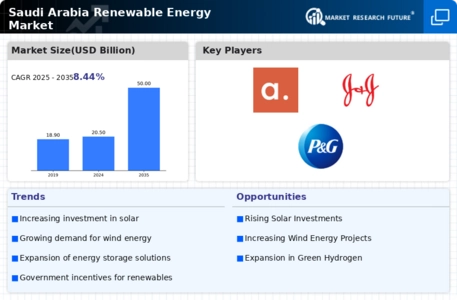
The Saudi Arabia renewable energy market is propelled by the increasing energy demand driven by population growth and economic expansion. As of 2025, Saudi Arabia's electricity consumption is projected to reach approximately 400 TWh, necessitating a shift towards sustainable energy sources. The government recognizes that relying solely on fossil fuels is unsustainable in the long term. Consequently, the integration of renewable energy sources, such as solar and wind, is seen as a viable solution to meet this burgeoning demand. This transition not only addresses energy security concerns but also aligns with global sustainability goals, thereby enhancing the attractiveness of the Saudi Arabia renewable energy market for both local and international investors.
Technological Advancements
Technological advancements play a pivotal role in shaping the Saudi Arabia renewable energy market. Innovations in solar photovoltaic (PV) technology and energy storage solutions have significantly reduced costs and improved efficiency. For instance, the levelized cost of electricity (LCOE) for solar energy has dropped by over 80% in the last decade, making it a competitive alternative to traditional energy sources. Furthermore, the adoption of smart grid technologies enhances the integration of renewable energy into the existing infrastructure, facilitating better energy management. These advancements not only enhance the viability of renewable projects but also attract investments, thereby fostering growth within the Saudi Arabia renewable energy market.
Environmental Sustainability Goals
The Saudi Arabia renewable energy market is increasingly driven by the need to meet environmental sustainability goals. The Kingdom has committed to reducing its carbon footprint and enhancing energy efficiency as part of its international obligations. The National Climate Change Strategy outlines specific targets for greenhouse gas emissions reduction, which necessitates a transition to renewable energy sources. This commitment to sustainability resonates with global trends and consumer preferences, thereby creating a favorable market environment for renewable energy investments. As stakeholders prioritize environmentally friendly practices, the Saudi Arabia renewable energy market is likely to witness accelerated growth and innovation.
Government Initiatives and Policies
The Saudi Arabia renewable energy market is significantly influenced by government initiatives aimed at diversifying the energy mix. The Saudi Vision 2030 plan emphasizes the importance of renewable energy, targeting 58.7 GW of renewable capacity by 2030. This ambitious goal is supported by various policies and incentives, including the National Renewable Energy Program, which aims to attract investments and foster local manufacturing. The government has also established the Renewable Energy Project Development Office to streamline project approvals and enhance transparency. Such initiatives not only bolster investor confidence but also create a conducive environment for the growth of the renewable energy sector in the Saudi Arabia renewable energy market.
International Collaboration and Investment
The Saudi Arabia renewable energy market benefits from international collaboration and investment, which are crucial for technology transfer and capacity building. Saudi Arabia has entered into various partnerships with global energy firms to develop large-scale renewable projects. For example, the collaboration with SoftBank to create the world's largest solar power project exemplifies the potential for foreign investment in the sector. Such partnerships not only bring in capital but also facilitate knowledge sharing and best practices, which are essential for the successful implementation of renewable energy projects. This collaborative approach enhances the competitiveness of the Saudi Arabia renewable energy market on a global scale.