Rising Popularity of Functional Foods
The vitamins d market is witnessing a growing trend towards functional foods that incorporate essential nutrients, including vitamin D. Consumers are increasingly seeking food products fortified with vitamins and minerals to enhance their overall health. This trend is particularly evident in dairy products, cereals, and plant-based alternatives that are enriched with vitamin D. As awareness of the health benefits associated with adequate vitamin D intake continues to rise, the demand for fortified foods is expected to increase. In 2025, the vitamins d market could see a significant boost from this trend, with an estimated 15% of consumers actively choosing fortified food options. This shift towards functional foods presents a unique opportunity for manufacturers to innovate and expand their product offerings.
Aging Population and Nutritional Needs
The vitamins d market is significantly influenced by the aging population in the United States. As individuals age, their ability to synthesize vitamin D from sunlight diminishes, leading to an increased risk of deficiency. This demographic shift is prompting healthcare professionals to recommend vitamin D supplementation for older adults to support bone health and immune function. In 2025, it is estimated that nearly 20% of the U.S. population will be over 65 years old, creating a substantial market opportunity for vitamin D products tailored to this age group. The vitamins d market is likely to see a rise in specialized formulations designed to meet the unique nutritional needs of older consumers, thereby driving growth in this segment.
Increased Demand for Preventive Healthcare
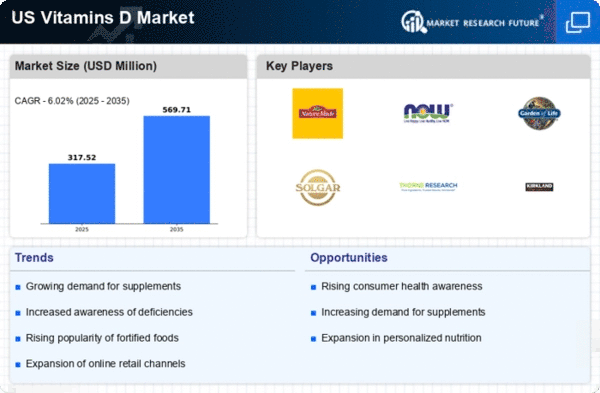
The vitamins d market is experiencing a notable surge in demand as consumers increasingly prioritize preventive healthcare measures. This shift is largely driven by a growing awareness of the importance of maintaining optimal vitamin D levels for overall health. Research indicates that adequate vitamin D can play a crucial role in preventing various health issues, including osteoporosis and cardiovascular diseases. As a result, consumers are actively seeking supplements to enhance their vitamin D intake. In 2025, the market is projected to reach approximately $1.5 billion, reflecting a compound annual growth rate (CAGR) of around 8% over the next five years. This trend suggests that the vitamins d market is well-positioned to capitalize on the rising focus on health and wellness among the population.
Regulatory Support for Nutritional Supplements
The vitamins d market benefits from favorable regulatory frameworks that support the use of nutritional supplements. In the U.S., the Food and Drug Administration (FDA) has established guidelines that facilitate the safe production and marketing of vitamin D products. This regulatory environment not only ensures consumer safety but also encourages innovation within the industry. As manufacturers develop new formulations and delivery methods, the vitamins d market is likely to expand further. The market is projected to grow by approximately 6% annually, driven by the introduction of new products that comply with regulatory standards. This supportive landscape may enhance consumer confidence in vitamin D supplements, ultimately contributing to increased sales.
Growing Interest in Natural and Organic Products
The vitamins d market is increasingly influenced by consumer preferences for natural and organic products. As health-conscious individuals become more discerning about the ingredients in their supplements, there is a notable shift towards products that are derived from natural sources. This trend is particularly relevant for vitamin D, as consumers seek out options that are free from synthetic additives and preservatives. The market for organic vitamin D supplements is projected to grow by approximately 10% annually, reflecting a broader movement towards clean label products. This growing interest in natural offerings may compel manufacturers within the vitamins d market to adapt their formulations and marketing strategies to align with consumer expectations for transparency and quality.