×
Hero Background
English
Chinese
French
Japanese
Korean
German
Spanish

Embedded Technology Market Analysis

ID: MRFR/SEM/0535-HCR
110 Pages
Aarti Dhapte
October 2025

Embedded Technology Market Research Report Information By Platforms (Mobile, Web, Cloud, On-Premise), By Hardware (Processor IP, MCU/MPU, ASIC, FPGA), By Application (Automotive, Consumer Electronics, Aerospace), And By Region (North America, Europe, Asia-Pacific, And Rest Of The World) – Industry Size, Share and Trends Till 2034

Share:
Download PDF ×

We do not share your information with anyone. However, we may send you emails based on your report interest from time to time. You may contact us at any time to opt-out.

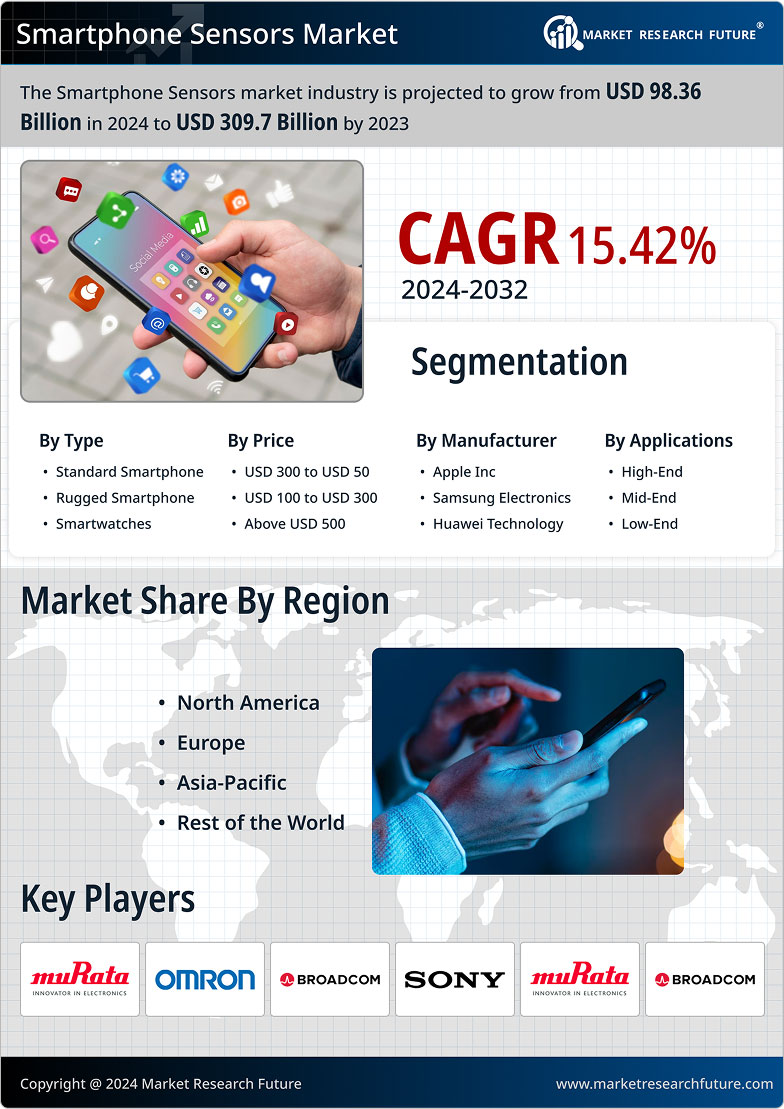
Embedded Technology Market Infographic
Purchase Options

Market Analysis

In-depth Analysis of Embedded Technology Market Industry Landscape

The market conditions of the global market for embedded technology display a vigorous and quickly developing background. Embedded technology, which includes the incorporation of computing skills into numerous systems and devices, has become a vital part of day-to-day life. This market is propelled by a combination of aspects that shape its development and track.

One prime propelling aspect of the global market for embedded technology is the rising demand for connected and smart devices. With the rise of the Internet of Things (IoT), there is an escalating requirement for embedded systems that can assist in smooth communication among devices. Moreover, the consistent search for reduction and power efficiency is an alternative decisive aspect inducing market conditions. As industries and consumers alike seek lighter, smaller, and more energy-efficient gadgets, embedded technology carries out a pivotal part in fulfilling these demands.

From novel propelling aspect assistance systems in automobiles to real-time data processing in medical devices, the demand for advanced embedded solutions is in development. This complication generates opportunities and challenges for market participants, advancing nonstop research and development attempts to stay ahead in this competitive situation.

The interconnectedness of markets and globalization have also considerably impacted the global market for embedded technology. Market players are progressively implementing embedded systems to guarantee interoperability and compatibility with international models. On the contrary, the market conditions are not without disputes. Security worries surrounding embedded systems have become a pivotal point as more devices become interconnected. The defencelessness of embedded systems to cyber dangers necessitates vigorous security measures, causing an increased emphasis on safeguarding embedded solutions.

Furthermore, the market conditions are manipulated by the regulatory conditions. Governments and regulatory bodies play an imperative part in molding the background of the global market for embedded technology through compliance and standards requirements. Loyalty to these principles is imperative for market players to guarantee the reliability, safety, and functionality of embedded systems.

In the end, the global market for embedded technology is recognized by a vigorous interplay of aspects enhancing its development and evolution. The rising demand for smart and connected devices, the chase for power efficiency and miniaturization, globalization, complexity of applications, and regulatory considerations collectively take part in the lively and ever-extending nature of the global market for embedded technology.

Author
Aarti Dhapte
Team Lead - Research

She holds an experience of about 6+ years in Market Research and Business Consulting, working under the spectrum of Information Communication Technology, Telecommunications and Semiconductor domains. Aarti conceptualizes and implements a scalable business strategy and provides strategic leadership to the clients. Her expertise lies in market estimation, competitive intelligence, pipeline analysis, customer assessment, etc.

Leave a Comment

FAQs

How much is the Embedded Technology market?

The Embedded Technology Market size was valued at USD 96.78 billion in 2024.

What is the growth rate of the Embedded Technology market?

The global market is projected to grow at a CAGR of 7.00% during the forecast period, 2025 to 2035.

Which region held the largest market share in the Embedded Technology market?

Asia Pacific had the largest share in the Embedded Technology Market.

Who are the key players in the Embedded Technology market?

The key players in the market are Texas Instruments, Renesas Electronics Corporation, STMicroelectronics, Samsung, Microsoft Corporation, Infineon Technologies AG, Renesas Electronics Corporation, NXP Semiconductors, Atmel Corporation, and Infosys Ltd.

Which platform led the Embedded Technology market?

The cloud category dominated the market in 2022.

Which application had the largest market share in the market?

Consumer electronics had the largest share in the global market for Embedded Technology.

Market Summary

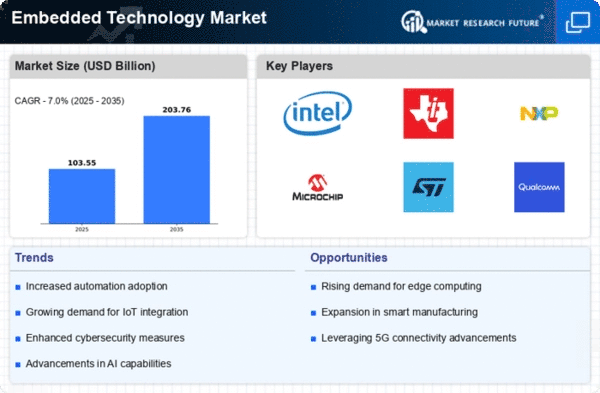
As per MRFR analysis, the Embedded Technology Market Size was estimated at 96.78 USD Billion in 2024. The Embedded Technology industry is projected to grow from 103.56 USD Billion in 2025 to 203.76 USD Billion by 2035, exhibiting a compound annual growth rate (CAGR) of 7.0 during the forecast period 2025 - 2035.

Key Market Trends & Highlights

The Embedded Technology Market is experiencing robust growth driven by innovation and increasing demand across various sectors.

  • The market witnesses increased adoption of IoT devices, particularly in North America, which remains the largest market.
  • Integration of AI in embedded systems is becoming prevalent, enhancing functionality in both consumer electronics and automotive applications.
  • A strong focus on energy efficiency is evident, especially in the rapidly growing wearable technology segment in Asia-Pacific.
  • Rising demand for smart devices and advancements in automotive electronics are key drivers propelling market expansion.

Market Size & Forecast

2024 Market Size 96.78 (USD Billion)
2035 Market Size 203.76 (USD Billion)
CAGR (2025 - 2035) 7.0%
Largest Regional Market Share in 2024 North America

Major Players

<p>Intel Corporation (US), Texas Instruments (US), NXP Semiconductors (NL), Microchip Technology (US), STMicroelectronics (FR), Qualcomm (US), Analog Devices (US), Infineon Technologies (DE), Renesas Electronics (JP)</p>

Market Trends

The Embedded Technology Market is currently experiencing a transformative phase, driven by advancements in various sectors such as automotive, healthcare, and consumer electronics. This market encompasses a wide array of applications, including Internet of Things (IoT) devices, smart appliances, and industrial automation systems. As technology continues to evolve, the integration of embedded systems into everyday products is becoming increasingly prevalent. This trend suggests a growing reliance on intelligent devices that enhance efficiency and connectivity, thereby reshaping consumer expectations and industry standards. Moreover, the Embedded Technology Market appears to be influenced by the rising demand for automation and data analytics. Companies are increasingly adopting embedded solutions to streamline operations and improve decision-making processes. The convergence of artificial intelligence with embedded systems indicates a potential shift towards more autonomous and intelligent applications. As industries seek to leverage these technologies, the market is likely to witness further innovations that could redefine traditional paradigms and create new opportunities for growth.

Increased Adoption of IoT Devices

The Embedded Technology Market is witnessing a surge in the adoption of Internet of Things (IoT) devices. This trend reflects a growing interest in interconnected systems that facilitate real-time data exchange and enhance operational efficiency. As more industries recognize the benefits of IoT, the demand for embedded solutions that support these devices is likely to rise.

Integration of AI in Embedded Systems

The integration of artificial intelligence into embedded systems is becoming increasingly prominent. This trend suggests that manufacturers are focusing on developing smarter devices capable of learning and adapting to user behaviors. Such advancements may lead to enhanced functionality and improved user experiences across various applications.

Focus on Energy Efficiency

There is a notable emphasis on energy efficiency within the Embedded Technology Market. Companies are striving to create solutions that minimize power consumption while maintaining performance. This focus on sustainability may drive innovation in embedded technologies, leading to the development of more eco-friendly products.

Embedded Technology Market Market Drivers

Rising Demand for IoT Devices

The increasing proliferation of Internet of Things (IoT) devices is a primary driver of the Global Embedded Technology Market Industry. As more devices become interconnected, the need for embedded systems that can efficiently manage data and connectivity grows. In 2024, the market is projected to reach 96.8 USD Billion, reflecting the heightened demand for smart home devices, wearables, and industrial IoT applications. This trend indicates a shift towards more automated and intelligent systems, which are expected to enhance operational efficiency across various sectors.

Market Segment Insights

By Application: Consumer Electronics (Largest) vs. Automotive (Fastest-Growing)

<p>In the Embedded Technology Market, the application segments are diverse, with Consumer Electronics leading the market share. This segment encompasses a wide range of devices including smartphones, tablets, and home appliances. Following closely, the Automotive segment is experiencing rapid growth due to advancements in vehicle connectivity and automation technologies. Additionally, segments such as Industrial Automation and Healthcare are also contributing significantly, although they hold smaller shares compared to Consumer Electronics and Automotive. Growth trends in these segments are driven by increasing demand for smart technology and automation solutions. Consumer Electronics benefits from continuous innovation, making devices more intelligent and user-friendly. Meanwhile, the Automotive sector is seeing growth from the rise in electric vehicles, autonomous driving features, and enhanced safety systems. This trend is expected to continue as technology integration in vehicles becomes more sophisticated, further driving the Embedded Technology Market forward.</p>

<p>Consumer Electronics: Dominant vs. Automotive: Emerging</p>

<p>The Consumer Electronics segment is characterized by its broad market appeal and continual innovation. Devices such as smartphones, smart TVs, and home assistants are at the forefront, making this segment the most dominant in the Embedded Technology Market. The focus on user experience and connectivity has fueled consumer demand, allowing it to maintain a robust position. On the other hand, the Automotive segment, while currently emerging, is poised for exponential growth due to its incorporation of advanced embedded systems. Innovations in vehicle-to-everything (V2X) communication, infotainment systems, and autonomous technology are reshaping the automotive landscape. As automakers increasingly invest in these technologies, the Automotive segment is expected to gain significant traction, closing the gap with the dominant Consumer Electronics segment.</p>

By End Use: Smart Home Devices (Largest) vs. Wearable Technology (Fastest-Growing)

<p>The Embedded Technology Market segments into various end-use applications, with Smart Home Devices holding the largest share due to the increasing demand for home automation and convenience. This market segment encompasses a range of devices including smart speakers, lighting, thermostats, and security systems. Wearable Technology, on the other hand, has rapidly gained traction and is becoming the fastest-growing category, driven by innovations in health monitoring, fitness tracking, and the integration of artificial intelligence into wearables.</p>

<p>Smart Home Devices (Dominant) vs. Wearable Technology (Emerging)</p>

<p>Smart Home Devices dominate the Embedded Technology Market with their wide acceptance and evolving functionalities. They are characterized by enhanced connectivity, allowing users to control devices remotely and improve energy efficiency at home. The growth of IoT has directly contributed to their popularity, as consumers increasingly prioritize convenience and security. Conversely, Wearable Technology is an emerging segment that is rapidly redefining personal health management. These are compact, convenient devices like smartwatches and fitness bands that monitor user health metrics in real time, fueled by the increasing focus on preventive health and personalization in healthcare.</p>

By Technology: Microcontrollers (Largest) vs. Field Programmable Gate Arrays (Fastest-Growing)

<p>In the Embedded Technology Market, microcontrollers hold the largest market share, driven by their extensive application in various consumer electronics, automotive, and industrial automation systems. On the other hand, Field Programmable Gate Arrays (FPGAs) are gaining traction, showcasing rapid adoption in advanced computing and telecommunication applications. Their unique ability to be reprogrammed to suit specific needs appeals to industries seeking customization. As the market progresses, microcontrollers are expected to continue their dominance, propelled by technological advancements and integration capabilities. Meanwhile, FPGAs are positioned to grow rapidly due to the increasing demand for high-performance computing and the push towards more flexible digital solutions. The shift towards IoT applications also significantly favors these technologies, enhancing their penetration across various sectors.</p>

<p>Microcontrollers: Dominant vs. System on Chip: Emerging</p>

<p>Microcontrollers are the cornerstone of the embedded technology landscape, renowned for their versatility and cost-effectiveness. These devices power everything from household appliances to automotive systems, making them integral to daily life. Their dominant position stems from widespread adoption across multiple industries, as they support a myriad of applications with low power consumption. Conversely, the System on Chip (SoC) segment, while considered emerging, is rapidly transforming the market. SoCs integrate various components like processors, memory, and interfaces into a single chip, paving the way for more compact and efficient designs. The growing demand for portable devices and smart technologies drives the rise of SoCs, as they offer the performance needed for modern applications.</p>

By Component Type: Sensors (Largest) vs. Embedded Software (Fastest-Growing)

<p>The Embedded Technology Market is significantly shaped by its component types, with sensors holding the largest market share. They serve as critical elements in various applications, providing crucial data for both consumer and industrial devices. Meanwhile, embedded software is emerging as the fastest-growing segment, driven by the increasing demand for sophisticated functionality and automation across technologies. As businesses and consumers alike seek more connected and intelligent systems, the growth in embedded software reflects a shift towards software-driven solutions. This sector benefits from advancements in machine learning and AI, enhancing the capabilities of devices and systems that rely on software integration. Additionally, innovative sensor technologies contribute to the expanded usage of embedded solutions, creating a symbiotic relationship that propels the overall market forward.</p>

<p>Sensors (Dominant) vs. Power Management ICs (Emerging)</p>

<p>Sensors are the dominant force within the Embedded Technology Market, utilized across various applications for their ability to gather and transmit crucial data in real-time. Their versatility allows them to function in countless environments, from consumer electronics to industrial automation. In contrast, Power Management Integrated Circuits (ICs) are an emerging component type gaining traction due to the growing need for efficient energy management in devices. As power consumption becomes a focal point for designers, especially in battery-operated and portable solutions, Power Management ICs offer the needed efficiency. Their development is driven by the rise of IoT devices, requiring compact, efficient energy solutions that optimize performance while reducing waste.</p>

By Architecture: Multi-Core (Largest) vs. Application-Specific Integrated Circuit (Fastest-Growing)

<p>The Embedded Technology Market is witnessing considerable segmentation by architecture, with Multi-Core architecture leading in market share due to its ability to deliver enhanced performance across various applications. Single-Core systems continue to hold a presence but are gradually being overshadowed by more advanced architectures. Heterogeneous Computing and System on Module architectures are also emerging as pivotal players, catering to specific needs within the industry and contributing to the overall diversity of the market.</p>

<p>Architecture: Multi-Core (Dominant) vs. Application-Specific Integrated Circuit (Emerging)</p>

<p>Multi-Core architecture stands as a dominant force in the Embedded Technology Market, known for its efficiency in handling complex processing tasks and parallel computing. It is extensively utilized in applications requiring substantial processing power, such as automotive controls and real-time analytics. Conversely, Application-Specific Integrated Circuits (ASICs) are gaining traction as the fastest-growing segment, catering to tailored solutions for specific applications in sectors such as IoT and telecommunications. The ability of ASICs to provide optimized performance and power efficiency makes them a preferred choice for modern embedded applications, consequently driving their rapid market growth.</p>

Get more detailed insights about Global Embedded Technology Market Research Report- Forecast 2035

Regional Insights

North America : Innovation and Market Leadership

North America continues to lead the Embedded Technology Market, holding a significant share of 48.39% in 2025. The region's growth is driven by rapid advancements in IoT, AI, and automotive technologies, alongside strong investments in R&D. Regulatory support for tech innovation and a robust infrastructure further catalyze demand, making it a hub for embedded solutions. The competitive landscape is characterized by major players such as Intel Corporation, Texas Instruments, and Qualcomm, which are at the forefront of technological advancements. The U.S. and Canada are the leading countries, with a strong focus on developing smart devices and systems. This region's emphasis on innovation and quality positions it as a critical player in the global market.

Europe : Regulatory Support and Growth

Europe's Embedded Technology Market is projected to reach a size of 28.14% by 2025, driven by stringent regulations promoting energy efficiency and sustainability. The European Union's Green Deal and Digital Strategy are pivotal in shaping market dynamics, encouraging the adoption of advanced embedded systems across various sectors, including automotive and healthcare. Leading countries like Germany, France, and the Netherlands are home to key players such as NXP Semiconductors and STMicroelectronics. The competitive landscape is marked by a strong emphasis on innovation and collaboration among tech firms and research institutions, fostering a vibrant ecosystem for embedded technologies. This synergy is crucial for maintaining Europe's competitive edge in the global market.

Asia-Pacific : Rapid Growth and Adoption

The Asia-Pacific region is witnessing rapid growth in the Embedded Technology Market, with a market share of 17.25% anticipated by 2025. This growth is fueled by increasing demand for consumer electronics, smart appliances, and automotive applications. Countries are investing heavily in digital transformation initiatives, supported by government policies that promote technology adoption and innovation. China, Japan, and South Korea are the leading countries in this region, hosting major players like Renesas Electronics and Infineon Technologies. The competitive landscape is evolving, with a focus on enhancing product capabilities and reducing costs. This region's dynamic market environment is essential for driving advancements in embedded technologies, positioning it as a key player in the global arena.

Middle East and Africa : Emerging Market Potential

The Middle East and Africa (MEA) region, while currently holding a smaller market share of 3.0%, presents significant growth opportunities in the Embedded Technology Market. The region is experiencing a surge in demand for smart technologies, driven by urbanization and government initiatives aimed at digital transformation. Investments in infrastructure and technology are expected to catalyze market growth in the coming years. Countries like South Africa and the UAE are leading the charge, with a growing presence of tech companies and startups focusing on embedded solutions. The competitive landscape is gradually evolving, with local and international players collaborating to enhance technological capabilities. This region's potential for growth makes it an attractive market for embedded technology investments.

Key Players and Competitive Insights

The Embedded Technology Market is characterized by a dynamic competitive landscape, driven by rapid advancements in technology and increasing demand for smart devices across various sectors. Key players such as Intel Corporation (US), Texas Instruments (US), and NXP Semiconductors (NL) are at the forefront, each adopting distinct strategies to enhance their market positioning. Intel Corporation (US) focuses on innovation in semiconductor technology, particularly in the realm of AI and IoT applications, while Texas Instruments (US) emphasizes localized manufacturing and supply chain optimization to meet the growing demand for embedded solutions. NXP Semiconductors (NL) is actively pursuing strategic partnerships to bolster its capabilities in automotive and industrial applications, thereby shaping a competitive environment that is increasingly collaborative and innovation-driven.

The market structure appears moderately fragmented, with a mix of established players and emerging companies vying for market share. Key business tactics such as localizing manufacturing and optimizing supply chains are prevalent among major players, allowing them to respond swiftly to market demands and enhance operational efficiency. This collective influence of key players fosters a competitive atmosphere where innovation and strategic alliances are paramount.

In November 2025, Intel Corporation (US) announced a significant investment in a new semiconductor fabrication facility in Arizona, aimed at increasing production capacity for embedded systems. This move is strategically important as it not only enhances Intel's manufacturing capabilities but also positions the company to better serve the burgeoning demand for advanced embedded solutions in various sectors, including automotive and consumer electronics.

In October 2025, Texas Instruments (US) launched a new series of microcontrollers designed specifically for industrial automation applications. This product line is expected to strengthen Texas Instruments' foothold in the industrial sector, reflecting a strategic focus on innovation and addressing the specific needs of manufacturers seeking reliable and efficient embedded solutions.

In September 2025, NXP Semiconductors (NL) entered into a partnership with a leading automotive manufacturer to develop next-generation vehicle-to-everything (V2X) communication technologies. This collaboration underscores NXP's commitment to advancing automotive embedded technologies and positions the company as a key player in the rapidly evolving automotive landscape, where connectivity and safety are increasingly critical.

As of December 2025, current competitive trends in the Embedded Technology Market are heavily influenced by digitalization, sustainability, and the integration of AI technologies. Strategic alliances are becoming more prevalent, as companies recognize the need to collaborate to drive innovation and meet evolving consumer demands. Looking ahead, competitive differentiation is likely to shift from price-based competition to a focus on innovation, technological advancements, and supply chain reliability, as companies strive to deliver superior embedded solutions that meet the complex needs of modern applications.

Key Companies in the Embedded Technology Market market include

Industry Developments

May 2022: Broadcom announced the acquisition of VMware in a cash-and-stock transaction that values at approximately $61 billion.

January 2022: Intel announced the introduction of mobile, the new EyeQ Ultra purpose-built SoC for autonomous vehicles.

Future Outlook

Embedded Technology Market Future Outlook

<p>The Embedded Technology Market is projected to grow at a 7.0% CAGR from 2024 to 2035, driven by advancements in IoT, AI integration, and increased automation.</p>

New opportunities lie in:

  • <p>Development of AI-driven embedded systems for smart devices.</p>
  • <p>Expansion into automotive embedded solutions for electric vehicles.</p>
  • <p>Creation of cybersecurity frameworks for embedded technology applications.</p>

<p>By 2035, the Embedded Technology Market is expected to be robust, driven by innovation and diverse applications.</p>

Market Segmentation

Embedded Technology Market End Use Outlook

  • Smart Home Devices
  • Wearable Technology
  • Robotics
  • Medical Devices
  • Networking Equipment

Embedded Technology Market Technology Outlook

  • Microcontrollers
  • Field Programmable Gate Arrays
  • Digital Signal Processors
  • System on Chip
  • Embedded Operating Systems

Embedded Technology Market Application Outlook

  • Consumer Electronics
  • Automotive
  • Industrial Automation
  • Healthcare
  • Telecommunications

Embedded Technology Market Architecture Outlook

  • Single-Core
  • Multi-Core
  • Heterogeneous Computing
  • System on Module
  • Application-Specific Integrated Circuit

Embedded Technology Market Component Type Outlook

  • Sensors
  • Actuators
  • Embedded Software
  • Power Management ICs
  • Connectivity Modules

Report Scope

MARKET SIZE 202496.78(USD Billion)
MARKET SIZE 2025103.56(USD Billion)
MARKET SIZE 2035203.76(USD Billion)
COMPOUND ANNUAL GROWTH RATE (CAGR)7.0% (2024 - 2035)
REPORT COVERAGERevenue Forecast, Competitive Landscape, Growth Factors, and Trends
BASE YEAR2024
Market Forecast Period2025 - 2035
Historical Data2019 - 2024
Market Forecast UnitsUSD Billion
Key Companies ProfiledIntel Corporation (US), Texas Instruments (US), NXP Semiconductors (NL), Microchip Technology (US), STMicroelectronics (FR), Qualcomm (US), Analog Devices (US), Infineon Technologies (DE), Renesas Electronics (JP)
Segments CoveredApplication, End Use, Technology, Component Type, Architecture
Key Market OpportunitiesIntegration of artificial intelligence in embedded systems enhances automation and efficiency across various industries.
Key Market DynamicsRising demand for smart devices drives innovation and competition in the Embedded Technology Market.
Countries CoveredNorth America, Europe, APAC, South America, MEA

FAQs

How much is the Embedded Technology market?

The Embedded Technology Market size was valued at USD 96.78 billion in 2024.

What is the growth rate of the Embedded Technology market?

The global market is projected to grow at a CAGR of 7.00% during the forecast period, 2025 to 2035.

Which region held the largest market share in the Embedded Technology market?

Asia Pacific had the largest share in the Embedded Technology Market.

Who are the key players in the Embedded Technology market?

The key players in the market are Texas Instruments, Renesas Electronics Corporation, STMicroelectronics, Samsung, Microsoft Corporation, Infineon Technologies AG, Renesas Electronics Corporation, NXP Semiconductors, Atmel Corporation, and Infosys Ltd.

Which platform led the Embedded Technology market?

The cloud category dominated the market in 2022.

Which application had the largest market share in the market?

Consumer electronics had the largest share in the global market for Embedded Technology.

No Data Available

Embedded Technology Market Segmentation

Embedded Technology Platform Outlook (USD Million, 2020-2034)

  • Mobile & Web
  • Cloud
  • On-Premise

Embedded Technology Hardware Outlook (USD Million, 2020-2034)

  • Processor IP
  • MCU/MPU
  • ASIC & FPGA

Embedded Technology Application Outlook (USD Million, 2020-2034)

  • Automotive
  • Consumer Electronics
  • Aerospace

Embedded Technology Regional Outlook (USD Million, 2020-2034)

  • North America Outlook (USD Million, 2020-2034)
    • North America Embedded Technology by Platform
      • Mobile & Web
      • Cloud
      • On-Premise
    • North America Embedded Technology by Hardware
      • Processor IP
      • MCU/MPU
      • ASIC & FPGA
    • North America Embedded Technology by End User
      • Automotive
      • Consumer Electronics
      • Aerospace
    • US Outlook (USD Million, 2020-2034)
    • US Embedded Technology by Platform
      • Mobile & Web
      • Cloud
      • On-Premise
    • US Embedded Technology by Hardware
      • Processor IP
      • MCU/MPU
      • ASIC & FPGA
    • US Embedded Technology by End User
      • Automotive
      • Consumer Electronics
      • Aerospace
    • CANADA Outlook (USD Million, 2020-2034)
    • CANADA Embedded Technology by Platform
      • Mobile & Web
      • Cloud
      • On-Premise
    • CANADA Embedded Technology by Hardware
      • Processor IP
      • MCU/MPU
      • ASIC & FPGA
    • CANADA Embedded Technology by End User
      • Automotive
      • Consumer Electronics
      • Aerospace
  • Europe Outlook (USD Million, 2020-2034)
    • Europe Embedded Technology by Platform
      • Mobile & Web
      • Cloud
      • On-Premise
    • Europe Embedded Technology by Hardware
      • Processor IP
      • MCU/MPU
      • ASIC & FPGA
    • Europe Embedded Technology by End User
      • Automotive
      • Consumer Electronics
      • Aerospace
    • Germany Outlook (USD Million, 2020-2034)
    • Germany Embedded Technology by Platform
      • Mobile & Web
      • Cloud
      • On-Premise
    • Germany Embedded Technology by Hardware
      • Processor IP
      • MCU/MPU
      • ASIC & FPGA
    • Germany Embedded Technology by End User
      • Automotive
      • Consumer Electronics
      • Aerospace
    • France Outlook (USD Million, 2020-2034)
    • France Embedded Technology by Platform
      • Mobile & Web
      • Cloud
      • On-Premise
    • France Embedded Technology by Hardware
      • Processor IP
      • MCU/MPU
      • ASIC & FPGA
    • France Embedded Technology by End User
      • Automotive
      • Consumer Electronics
      • Aerospace
    • UK Outlook (USD Million, 2020-2034)
    • UK Embedded Technology by Platform
      • Mobile & Web
      • Cloud
      • On-Premise
    • UK Embedded Technology by Hardware
      • Processor IP
      • MCU/MPU
      • ASIC & FPGA
    • UK Embedded Technology by End User
      • Automotive
      • Consumer Electronics
      • Aerospace
    • ITALY Outlook (USD Million, 2020-2034)
    • ITALY Embedded Technology by Platform
      • Mobile & Web
      • Cloud
      • On-Premise
    • ITALY Embedded Technology by Hardware
      • Processor IP
      • MCU/MPU
      • ASIC & FPGA
    • ITALY Embedded Technology by End User
      • Automotive
      • Consumer Electronics
      • Aerospace
  • SPAIN Outlook (USD Million, 2020-2034)
  • Spain Embedded Technology by Platform
    • Mobile & Web
    • Cloud
    • On-Premise
  • Spain Embedded Technology by Hardware
    • Processor IP
    • MCU/MPU
    • ASIC & FPGA
  • Spain Embedded Technology by End User
    • Automotive
    • Consumer Electronics
    • Aerospace
  • Rest Of Europe Outlook (USD Million, 2020-2034)
  • Rest Of Europe Embedded Technology by Platform
    • Mobile & Web
    • Cloud
    • On-Premise
  • REST OF EUROPE Embedded Technology by Hardware
    • Processor IP
    • MCU/MPU
    • ASIC & FPGA
  • REST OF EUROPE Embedded Technology by End User
    • Automotive
    • Consumer Electronics
    • Aerospace
  • Asia-Pacific Outlook (USD Million, 2020-2034)
    • Asia-Pacific Embedded Technology by Platform
      • Mobile & Web
      • Cloud
      • On-Premise
    • Asia-Pacific Embedded Technology by Hardware
      • Processor IP
      • MCU/MPU
      • ASIC & FPGA
    • Asia-Pacific Embedded Technology by End User
      • Automotive
      • Consumer Electronics
      • Aerospace
    • China Outlook (USD Million, 2020-2034)
    • China Embedded Technology by Platform
      • Mobile & Web
      • Cloud
      • On-Premise
    • China Embedded Technology by Hardware
      • Processor IP
      • MCU/MPU
      • ASIC & FPGA
    • China Embedded Technology by End User
      • Automotive
      • Consumer Electronics
      • Aerospace
    • Japan Outlook (USD Million, 2020-2034)
    • Japan Embedded Technology by Platform
      • Mobile & Web
      • Cloud
      • On-Premise
    • Japan Embedded Technology by Hardware
      • Processor IP
      • MCU/MPU
      • ASIC & FPGA
    • Japan Embedded Technology by End User
      • Automotive
      • Consumer Electronics
      • Aerospace
    • India Outlook (USD Million, 2020-2034)
    • India Embedded Technology by Platform
      • Mobile & Web
      • Cloud
      • On-Premise
    • India Embedded Technology by Hardware
      • Processor IP
      • MCU/MPU
      • ASIC & FPGA
    • India Embedded Technology by End User
      • Automotive
      • Consumer Electronics
      • Aerospace
    • Australia Outlook (USD Million, 2020-2034)
    • Australia Embedded Technology by Platform
      • Mobile & Web
      • Cloud
      • On-Premise
    • Australia Embedded Technology by Hardware
      • Processor IP
      • MCU/MPU
      • ASIC & FPGA
    • Australia Embedded Technology by End User
      • Automotive
      • Consumer Electronics
      • Aerospace
    • Rest of Asia-Pacific Outlook (USD Million, 2020-2034)
    • Rest of Asia-Pacific Embedded Technology by Platform
      • Mobile & Web
      • Cloud
      • On-Premise
    • Rest of Asia-Pacific Embedded Technology by Hardware
      • Processor IP
      • MCU/MPU
      • ASIC & FPGA
    • Rest of Asia-Pacific Embedded Technology by End User
      • Automotive
      • Consumer Electronics
      • Aerospace
  • Rest of the World Outlook (USD Million, 2020-2034)
    • Rest of the World Embedded Technology by Platform
      • Mobile & Web
      • Cloud
      • On-Premise
    • Rest of the World Embedded Technology by Hardware
      • Processor IP
      • MCU/MPU
      • ASIC & FPGA
    • Rest of the World Embedded Technology by End User
      • Automotive
      • Consumer Electronics
      • Aerospace
  • Middle East Outlook (USD Million, 2020-2034)
  • Middle East Embedded Technology by Platform
    • Mobile & Web
    • Cloud
    • On-Premise
  • Middle East Embedded Technology by Hardware
    • Processor IP
    • MCU/MPU
    • ASIC & FPGA
  • Middle East Embedded Technology by End User
    • Automotive
    • Consumer Electronics
    • Aerospace
  • Africa Outlook (USD Million, 2020-2034)
  • Africa Embedded Technology by Platform
    • Mobile & Web
    • Cloud
    • On-Premise
  • Africa Embedded Technology by Hardware
    • Processor IP
    • MCU/MPU
    • ASIC & FPGA
  • Africa Embedded Technology by End User
    • Automotive
    • Consumer Electronics
    • Aerospace
  • Latin America Outlook (USD Million, 2020-2034)
  • Latin America Embedded Technology by Platform
    • Mobile & Web
    • Cloud
    • On-Premise
  • Latin America Embedded Technology by Hardware
    • Processor IP
    • MCU/MPU
    • ASIC & FPGA
  • Latin America Embedded Technology by End User
    • Automotive
    • Consumer Electronics
    • Aerospace
Infographic

Free Sample Request

Kindly complete the form below to receive a free sample of this Report

Get Free Sample

Customer Strories

Compare Licence

×
Features License Type
Single User Multiuser License Enterprise User
Price $4,950 $5,950 $7,250
Maximum User Access Limit 1 User Upto 10 Users Unrestricted Access Throughout the Organization
Free Customization
Direct Access to Analyst
Deliverable Format
Platform Access
Discount on Next Purchase 10% 15% 15%
Printable Versions