×
Request Free Sample ×

Kindly complete the form below to receive a free sample of this Report

* Please use a valid business email

Leading companies partner with us for data-driven Insights

clients tt-cursor
Hero Background

US Herbal Cigarettes Market

ID: MRFR/CG/19542-HCR
100 Pages
Garvit Vyas
February 2026

US Herbal Cigarettes Market Size, Share, Industry Trend & Analysis Research ReportType Outlook,( Cigarettes,Beedis,Roll-Your-Own ),Flavor Outlook,( Regular,Clove,Menthol,Others ),Material Outlook,( Hemp,Green Tea,Others ),Distribution Channel Outlook,( Online,Offline )

Share:
Download PDF ×

We do not share your information with anyone. However, we may send you emails based on your report interest from time to time. You may contact us at any time to opt-out.

US Herbal Cigarettes Market Infographic
Purchase Options

US Herbal Cigarettes Market Summary

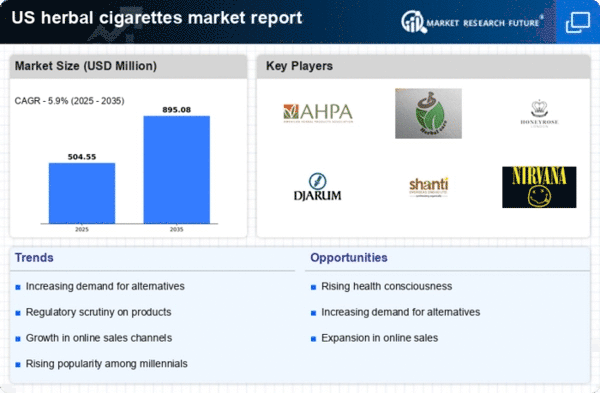
As per Market Research Future analysis, the US herbal cigarettes market Size was estimated at 476.44 USD Million in 2024. The US herbal cigarettes market is projected to grow from 504.55 USD Million in 2025 to 895.08 USD Million by 2035, exhibiting a compound annual growth rate (CAGR) of 5% during the forecast period 2025 - 2035

Key Market Trends & Highlights

The US herbal cigarettes market is experiencing a notable shift towards health-conscious alternatives and natural products.

  • Health consciousness among consumers is driving the demand for herbal cigarettes, particularly among younger demographics.
  • The largest segment in the market is the organic herbal cigarettes, which are gaining traction due to their perceived health benefits.
  • The fastest-growing segment is the flavored herbal cigarettes, appealing to a broader audience seeking diverse smoking experiences.
  • Rising demand for alternative smoking products and increased availability of herbal products are key drivers propelling market growth.

Market Size & Forecast

2024 Market Size 476.44 (USD Million)
2035 Market Size 895.08 (USD Million)
CAGR (2025 - 2035) 5.9%

Major Players

American Herbal Products Association (US), Herbal Smoke (US), Honeyrose Products (GB), Djarum (ID), Shanti Herbal (IN), Nirvana (US), Pure Herbal (US), Herbal Cigarettes (US)

Our Impact
Enabled $4.3B Revenue Impact for Fortune 500 and Leading Multinationals
Partnering with 2000+ Global Organizations Each Year
30K+ Citations by Top-Tier Firms in the Industry

US Herbal Cigarettes Market Trends

The herbal cigarettes market is currently experiencing a notable shift in consumer preferences, driven by a growing awareness of health and wellness. As individuals increasingly seek alternatives to traditional tobacco products, herbal cigarettes are emerging as a popular choice. These products, often made from a blend of various herbs and botanicals, appeal to those looking for a smoke-free experience without the harmful effects associated with conventional cigarettes. The market appears to be expanding as more consumers become educated about the potential benefits of herbal options, which may include reduced exposure to harmful chemicals and a more natural smoking experience. Moreover, the rise of lifestyle trends emphasizing natural and organic products seems to be influencing the herbal cigarettes market positively. Consumers are gravitating towards products that align with their values, such as sustainability and holistic health. This trend is likely to encourage manufacturers to innovate and diversify their offerings, potentially leading to a wider range of flavors and formulations. As the market continues to evolve, it may also attract a younger demographic, further driving growth and acceptance of herbal cigarettes as a viable alternative to traditional smoking products.

Health Consciousness

There is a noticeable increase in health consciousness among consumers, leading to a preference for herbal cigarettes over traditional tobacco. This trend reflects a broader societal shift towards healthier lifestyles, with many individuals seeking alternatives that are perceived as less harmful.

Natural Ingredients

The demand for products made from natural ingredients is rising, as consumers become more aware of the potential risks associated with synthetic additives. Herbal cigarettes, often marketed as containing only natural herbs, are appealing to those who prioritize clean and organic options.

Regulatory Environment

The regulatory landscape surrounding smoking products is evolving, with stricter regulations on traditional tobacco. This shift may create opportunities for the herbal cigarettes market, as consumers look for compliant alternatives that offer a similar experience without the associated legal restrictions.

US Herbal Cigarettes Market Drivers

Influence of Lifestyle Changes

Lifestyle changes among consumers are significantly impacting the herbal cigarettes market. As more individuals adopt healthier lifestyles, there is a corresponding shift towards products that reflect these values. The herbal cigarettes market is likely to benefit from this trend, as consumers increasingly seek out products that are perceived as natural and less harmful. This shift is evident in the growing popularity of herbal cigarettes among younger demographics, who are more inclined to experiment with alternative smoking options. The herbal cigarettes market is thus poised for growth, as lifestyle changes continue to drive consumer behavior towards herbal alternatives, potentially increasing market share and expanding the customer base.

Increased Availability of Herbal Products

The herbal cigarettes market is witnessing an increase in the availability of various herbal products, which is likely to enhance consumer access and choice. Retailers are expanding their offerings to include a wider range of herbal cigarette brands and flavors, catering to diverse consumer preferences. This expansion is supported by the rise of online retail platforms, which provide consumers with convenient access to herbal cigarettes. As a result, the market is expected to grow, with estimates suggesting a potential increase in market size by 20% over the next five years. The herbal cigarettes market is thus benefiting from improved distribution channels, making it easier for consumers to find and purchase herbal options.

Rising Demand for Alternative Smoking Products

The herbal cigarettes market is experiencing a notable increase in demand as consumers seek alternatives to traditional tobacco products. This shift is largely driven by a growing awareness of health risks associated with smoking tobacco. According to recent data, the herbal cigarettes market has seen a growth rate of approximately 15% annually in the US. Consumers are increasingly attracted to herbal cigarettes due to their perceived lower health risks and the absence of nicotine. This trend indicates a significant transformation in consumer preferences, as individuals prioritize wellness and seek products that align with a healthier lifestyle. The herbal cigarettes market is thus positioned to benefit from this rising demand, as more individuals turn to herbal options for their smoking needs.

Impact of Social Media and Influencer Marketing

The herbal cigarettes market is being shaped by the impact of social media and influencer marketing, which play a crucial role in shaping consumer perceptions and preferences. Influencers promoting herbal cigarettes as a healthier alternative to traditional smoking are likely to attract a younger audience. This marketing strategy appears to resonate well with consumers who are influenced by social media trends. As a result, the herbal cigarettes market is expected to see increased visibility and brand awareness, potentially leading to higher sales. The effectiveness of social media campaigns in reaching target demographics suggests that this trend could significantly enhance the market's growth trajectory in the coming years.

Growing Interest in Organic and Natural Products

The herbal cigarettes market is increasingly influenced by the growing interest in organic and natural products among consumers. This trend is reflected in the rising demand for products that are free from synthetic additives and chemicals. As consumers become more health-conscious, they are gravitating towards herbal cigarettes that emphasize natural ingredients. This shift is likely to drive innovation within the herbal cigarettes market, as manufacturers respond to consumer preferences by developing new products that align with these values. The market could see a significant increase in sales as more consumers opt for herbal cigarettes that are marketed as organic or natural, potentially leading to a more robust market presence.


Market Segment Insights

By Type: Cigarettes (Largest) vs. Beedis (Fastest-Growing)

In the US herbal cigarettes market, the distribution among segment values showcases that cigarettes hold the largest market share, representing the most preferred choice among consumers. Beedis, though smaller in share, are gaining traction due to their unique appeal and cultural significance. Roll-Your-Own products capture a niche market, driven by customization and the growing trend towards DIY tobacco alternatives. The growth trends within this segment highlight a significant rise in demand for beedis, which is paving the way as the fastest-growing option among consumers, particularly among younger demographics seeking alternatives. Natural ingredients and perceived health benefits are driving consumers' choices, alongside changing regulations and growing acceptance of herbal products. The segment's dynamics reflect an evolving market landscape characterized by increasing competition and innovation.

Cigarettes: Dominant vs. Beedis: Emerging

Cigarettes dominate the herbal category by appealing to a broad consumer base, renowned for their convenience and varied flavor offerings. This segment is well-established, serving traditional herbal preferences and maintaining consistent sales. On the other hand, beedis are emerging as a popular alternative, particularly among health-conscious consumers looking for unique, culturally-rooted products. Beedis are often perceived as more natural and are favored for their hand-rolled quality. Despite a smaller share compared to cigarettes, beedis are rapidly gaining popularity, especially in urban areas where trends towards sustainability and herbal consumption are on the rise. Both segments reflect distinct consumer preferences, showcasing a diverse market landscape.

By Flavor: Menthol (Largest) vs. Clove (Fastest-Growing)

In the US herbal cigarettes market, the flavor segment is characterized by its diverse offerings, prominently featuring Regular, Menthol, Clove, and Others. Menthol captures the largest share among these flavors, attracting consumers with its refreshing taste profile, while Clove is rapidly gaining traction, driven by its unique aromatic characteristics that cater to a niche audience. Regular flavors maintain a stable presence, but their appeal is generally eclipsed by the distinctive characteristics of the other flavors. The growth trends within this segment reveal a shifting consumer preference towards more sophisticated and varied flavor options. Clove, in particular, is emerging as the fastest-growing segment, appealing mainly to younger demographics seeking novel experiences. Factors contributing to this trend include increasing awareness of health-conscious alternatives and the desire for diverse consumption experiences, positioning Clove as a significant player in the evolving landscape of flavor preferences.

Menthol (Dominant) vs. Clove (Emerging)

Menthol remains the dominant flavor in the US herbal cigarettes market, primarily due to its cooling effect and popularity among existing smokers seeking a transition to herbal options. Its established presence caters to a broad consumer base, making it a staple in the market. On the other hand, Clove is recognized as an emerging flavor, captivating a growing audience with its exotic and aromatic profiles. This segment's appeal lies in its unique blend of sweet and spicy scents, which differentiate it from more traditional flavors. As consumers increasingly seek flavors that enhance their sensory experience, Clove is positioned for expansion, especially among younger consumers who are more adventurous in their choices.

By Cigarette Material: Hemp (Largest) vs. Green Tea (Fastest-Growing)

In the US herbal cigarettes market, the distribution of market share among the segments shows that hemp dominates, claiming a substantial portion of the overall market. Green tea has gained traction, appealing to health-conscious consumers seeking alternatives to traditional tobacco products. Meanwhile, other materials such as various botanical blends contribute to the diversity of offerings but hold a smaller share compared to hemp and green tea. Growth trends in this segment are influenced by changing consumer preferences towards natural and healthier options. The increasing awareness of the harmful effects of tobacco has prompted many to explore alternatives like hemp and green tea. Moreover, the rise in wellness trends and the popularity of herbal products have positioned green tea as a fast-growing segment, appealing particularly to younger demographics and those seeking a flavorful yet less harmful smoking experience.

Hemp (Dominant) vs. Green Tea (Emerging)

Hemp is currently the dominant material in the US herbal cigarettes market, favored for its low levels of THC and its association with relaxation and wellness benefits. Recognized for its rich flavor profile and smooth smoking experience, hemp attracts a wide range of consumers, from those looking to quit tobacco to health enthusiasts. On the other hand, green tea is emerging as a popular alternative, especially among millennials and Gen Z consumers who prioritize health benefits. Its unique flavor, combined with antioxidants, appeals to those who seek a refreshing smoking experience with potential health advantages. As these two segments evolve, they cater to a growing demand for novel and healthier smoking alternatives.

By Distribution Channel: Online (Largest) vs. Offline (Fastest-Growing)

In the US herbal cigarettes market, the distribution landscape is divided between online and offline channels. Currently, online sales hold the largest share, benefiting from the rise of e-commerce and changing consumer preferences towards online shopping. This shift has allowed online platforms to flourish, making them a preferred option for many buyers seeking convenience and a broader selection of products. On the other hand, offline distribution channels are experiencing rapid growth and are recognized as the fastest-growing segment. This increase is driven by the resurgence of brick-and-mortar stores, where customers appreciate the physical shopping experience and immediate product access. Additionally, many consumers still prefer purchasing herbal cigarettes in-store, making offline channels an essential part of the distribution mix.

Online (Dominant) vs. Offline (Emerging)

Within the distribution channel segment of the US herbal cigarettes market, online sales represent a dominant force. They provide consumers with unparalleled convenience, access to a wider variety of products, and often better pricing. The growth in digital penetration among consumers has further solidified online distribution's position. In contrast, offline channels are emerging with strong potential, driven by a growing consumer desire for immediate product availability and the tactile experience of shopping. Traditional retail outlets and convenience stores are adapting their offerings to include herbal cigarettes, thus attracting customers who prefer in-person interactions. Together, these channels highlight the diverse preferences of consumers in the market.

Get more detailed insights about US Herbal Cigarettes Market

Key Players and Competitive Insights

The herbal cigarettes market in the US exhibits a dynamic competitive landscape characterized by a blend of innovation, strategic partnerships, and a growing consumer preference for alternatives to traditional tobacco products. Key players such as Herbal Smoke (US), Nirvana (US), and Honeyrose Products (GB) are actively shaping the market through distinct operational focuses. Herbal Smoke (US) emphasizes product diversification, introducing new flavors and blends to cater to evolving consumer tastes. Nirvana (US) has adopted a strategy centered on sustainability, utilizing organic ingredients and eco-friendly packaging, which resonates with the increasing demand for environmentally conscious products. Meanwhile, Honeyrose Products (GB) leverages its long-standing reputation in the herbal segment to expand its distribution channels, thereby enhancing market penetration. Collectively, these strategies contribute to a moderately fragmented market structure, where innovation and brand loyalty play pivotal roles in competitive positioning.In terms of business tactics, companies are increasingly localizing manufacturing to reduce supply chain vulnerabilities and enhance responsiveness to market demands. This approach not only optimizes operational efficiency but also aligns with consumer preferences for locally sourced products. The competitive structure remains moderately fragmented, with several players vying for market share, yet the influence of major companies is palpable as they set trends and standards within the industry.

In October Herbal Smoke (US) launched a new line of herbal cigarettes infused with adaptogenic herbs, aiming to tap into the wellness trend that has gained traction among health-conscious consumers. This strategic move is significant as it positions the company at the intersection of herbal wellness and smoking alternatives, potentially attracting a broader customer base seeking holistic benefits. The introduction of these products may also enhance brand differentiation in a crowded market.

In September Nirvana (US) announced a partnership with a leading organic farming cooperative to secure a sustainable supply of raw materials for its herbal cigarettes. This collaboration underscores the company's commitment to sustainability and could enhance its brand image among environmentally aware consumers. By ensuring a reliable and eco-friendly supply chain, Nirvana (US) is likely to strengthen its market position and appeal to a growing demographic that prioritizes sustainability in their purchasing decisions.

In August Honeyrose Products (GB) expanded its distribution network by entering into a strategic alliance with a major online retailer, significantly increasing its market reach. This move is crucial as it allows Honeyrose to capitalize on the growing trend of e-commerce, particularly among younger consumers who prefer online shopping. By enhancing accessibility to its products, the company is likely to boost sales and brand visibility in a competitive landscape.

As of November the herbal cigarettes market is witnessing trends that emphasize digitalization, sustainability, and technological integration. Companies are increasingly forming strategic alliances to enhance their competitive edge, focusing on innovation rather than price-based competition. This shift suggests that future differentiation will hinge on the ability to leverage technology, optimize supply chains, and deliver unique product offerings that resonate with consumer values. The evolution of the market appears to be steering towards a landscape where brand loyalty is cultivated through innovation and reliability, rather than solely through competitive pricing.

Key Companies in the US Herbal Cigarettes Market include

Future Outlook

US Herbal Cigarettes Market Future Outlook

The Herbal Cigarettes Market is projected to grow at a 5.9% CAGR from 2025 to 2035, driven by increasing health consciousness and demand for natural products.

New opportunities lie in:

  • Expansion into e-commerce platforms for direct consumer sales.
  • Development of innovative herbal blends targeting niche markets.
  • Partnerships with wellness brands for co-marketing initiatives.

By 2035, the herbal cigarettes market is expected to achieve substantial growth and diversification.

Market Segmentation

US Herbal Cigarettes Market Type Outlook

  • Cigarettes
  • Beedis
  • Roll-Your-Own

US Herbal Cigarettes Market Flavor Outlook

  • Regular
  • Clove
  • Menthol
  • Others

US Herbal Cigarettes Market Cigarette Material Outlook

  • Hemp
  • Green Tea
  • Others

US Herbal Cigarettes Market Distribution Channel Outlook

  • Online
  • Offline

Report Scope

MARKET SIZE 2024 476.44(USD Million)
MARKET SIZE 2025 504.55(USD Million)
MARKET SIZE 2035 895.08(USD Million)
COMPOUND ANNUAL GROWTH RATE (CAGR) 5.9% (2025 - 2035)
REPORT COVERAGE Revenue Forecast, Competitive Landscape, Growth Factors, and Trends
BASE YEAR 2024
Market Forecast Period 2025 - 2035
Historical Data 2019 - 2024
Market Forecast Units USD Million
Key Companies Profiled American Herbal Products Association (US), Herbal Smoke (US), Honeyrose Products (GB), Djarum (ID), Shanti Herbal (IN), Nirvana (US), Pure Herbal (US), Herbal Cigarettes (US)
Segments Covered Type, Flavor, Cigarette Material, Distribution Channel
Key Market Opportunities Growing consumer preference for natural products enhances potential in the herbal cigarettes market.
Key Market Dynamics Rising consumer preference for natural alternatives drives growth in the herbal cigarettes market amid evolving regulations.
Countries Covered US
Leave a Comment
Download Free Sample

Kindly complete the form below to receive a free sample of this Report

Compare Licence

×
Features License Type
Single User Multiuser License Enterprise User
Price $4,950 $5,950 $7,250
Maximum User Access Limit 1 User Upto 10 Users Unrestricted Access Throughout the Organization
Free Customization
Direct Access to Analyst
Deliverable Format
Platform Access
Discount on Next Purchase 10% 15% 15%
Printable Versions