×
Request Free Sample ×

Kindly complete the form below to receive a free sample of this Report

* Please use a valid business email

Leading companies partner with us for data-driven Insights

clients tt-cursor
Hero Background
English
Chinese
French
Japanese
Korean
German
Spanish

PET Packaging Market Trends

ID: MRFR/PCM/1247-HCR
129 Pages
Snehal Singh
October 2025

PET Packaging Market Research Report By Application (Bottles, Containers, Trays, Films, Labels), By End Use (Food and Beverage, Personal Care, Pharmaceuticals, Household Products), By Product Type (Rigid Packaging, Flexible Packaging, Semi-Rigid Packaging), By Raw Material (Virgin PET, Recycled PET, Biodegradable PET) and By Regional (North America, Europe, South America, Asia Pacific, Middle East and Africa) - Forecast to 2035

Share:
Download PDF ×

We do not share your information with anyone. However, we may send you emails based on your report interest from time to time. You may contact us at any time to opt-out.

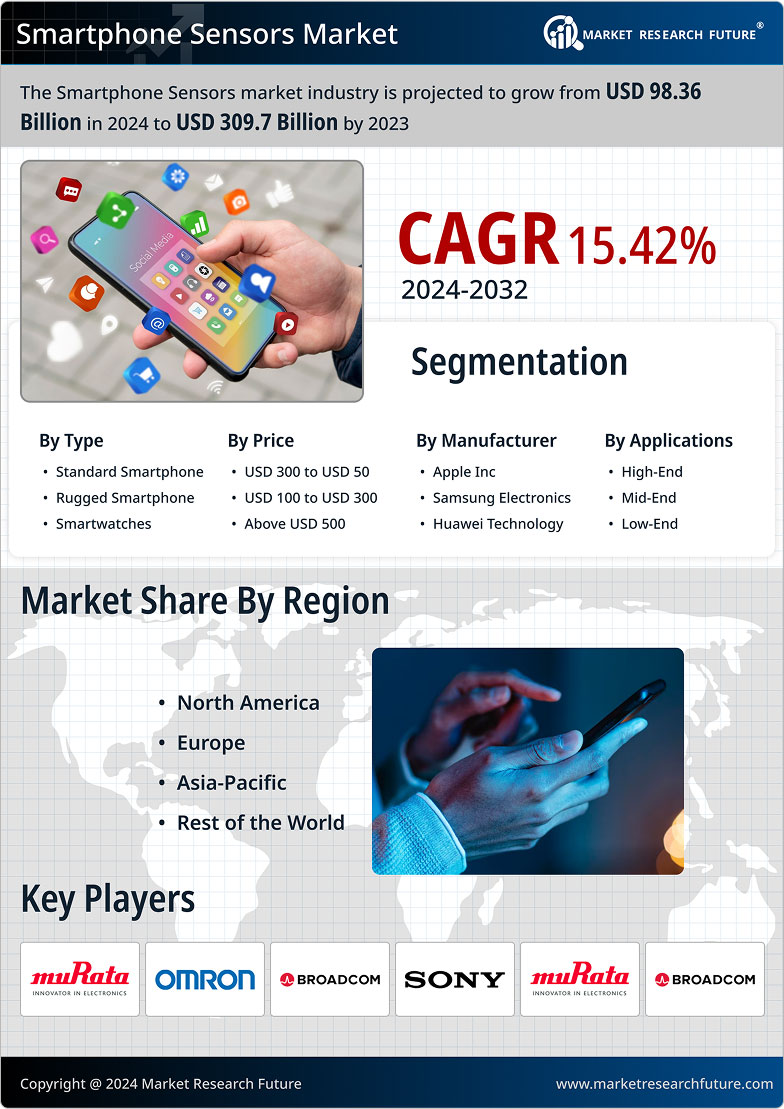
PET Packaging Market Infographic
×
PET Packaging Market Infographic Full View
Purchase Options

Market Trends

Key Emerging Trends in the PET Packaging Market

The reasons behind changes lies in some significant trends witnessed in recent years within this segment which reflects a dynamic nature characteristic of the packaging sector. Lastly, it’s worth pointing out a growing preference by manufacturers for eco-friendly sustainable packages. As concerns over global environmental issues grow, buyers look for packages that do not damage resources of this world. As such, aforementioned observation has received a complement through using polyethylene terephthalate (PET) packing which is recyclable besides having low carbon level compared to other traditional packing materials.

Lightweight Packaging is another emerging trend in the PET Packaging Market. Meanwhile, purchase managers strive to ensure minimal usage of raw materials while still maintaining optimal qualities within their package designs. So it becomes extremely popular because today’s standpoints are changed when we talk about PET which is both lightweight material but at the same time strong enough.Nowadays many businesses prefer using plastic bottles made from this material because they weigh less than glass ones thus reducing transportation costs which ultimately adds up to being eco-friendly one.

The advent of e-commerce has significantly transformed the pet packaging industry in a dramatic way. This necessitated the need for secure product wrapping during shipping as online shopping platforms have proliferated hence causing demand for packages that would ensure safety of goods while moving from the producer to the customer. PET is extremely robust and can withstand many handling operations making it very suitable for e-commerce packaging applications. PET films are clear thus they are useful in allowing customers see products before they buy them on online platforms.

Customization and branding have become so integral to product packaging that the PET packaging market has seen more innovative and visually attractive designs. PET is highly flexible because it can be molded into various shapes or sizes, its label can be changed to reflect a certain brand’s requirements. With changes in consumer preferences there is greater recognition of the importance of packaging that safeguards not only what is inside but also reflects company values and resonates with target consumers.

Technological advancements have also contributed to the changes in trends in PET packaging industry. Among smart packaging solutions are like QR codes and NFC-enabled packages that are commonly used these days. Brands using these technologies are able to send direct messages to their customers about product origin, user guidelines and other relevant information. This interactive approach makes it possible for buyers to enjoy the products more hence remain loyal to them.

Also regulatory developments have huge implications for market trends. Governments and regulatory bodies are moving towards ‘green line’ regulations about package material specifics or composition etc. This development process has raised issues of recyclability and recycled content as critical areas of concern. Therefore, demand for PET is predicted to grow faster considering that it can be easily made into new products.

Author
Snehal Singh
Assistant Manager - Research

High acumen in analyzing complex macro & micro markets with more than 6 years of work experience in the field of market research. By implementing her analytical skills in forecasting and estimation into market research reports, she has expertise in Packaging, Construction, and Equipment domains. She handles a team size of 20-25 resources and ensures smooth running of the projects, associated marketing activities, and client servicing.

Leave a Comment

FAQs

What is the projected CAGR for the PET Packaging Market from 2024 to 2035?

PET Packaging Market is expected to grow with a CAGR of 4.3% in the period 2025-2035

Which region is anticipated to dominate the PET Packaging Market by 2035?

North America is anticipated to dominate the PET Packaging Market, valued at 20.5 USD Billion in 2035.

What will be the market value for PET Bottles in 2035?

The market value for PET Bottles is expected to reach USD 68585.76 Billion in 2035

Who are the key players in the PET Packaging Market?

Key players in the PET Packaging Market include companies like Alpla, CocaCola, and Amcor.

Which region is expected to experience significant growth in the PET Packaging Market?

The APAC region is expected to experience significant growth, with an anticipated market size of 16.0 USD Billion in 2035.

What will be the market value of PET Labels by 2035?

The market value of PET Labels is expected to reach USD 68585.76 Billion by 2035.

What challenges may impact the PET Packaging Market's growth?

Challenges such as raw material price fluctuations and environmental regulations may impact market growth.

Market Summary

As per MRFR analysis, the PET Packaging Market Size was estimated at 43162.5 USD Billion in 2024. The PET Packaging industry is projected to grow from 45018.49 USD Billion in 2025 to 68585.76 USD Billion by 2035, exhibiting a compound annual growth rate (CAGR) of 4.3 during the forecast period 2025 - 2035.

Key Market Trends & Highlights

The PET Packaging Market is experiencing a dynamic shift towards sustainability and customization, driven by evolving consumer preferences.

  • North America remains the largest market for PET packaging, reflecting robust demand across various sectors.
  • Asia-Pacific is identified as the fastest-growing region, propelled by increasing urbanization and rising disposable incomes.
  • Bottles dominate the PET packaging segment, while films are emerging as the fastest-growing category due to their versatility.
  • Sustainability initiatives and customization are key drivers, influencing market growth in both food and beverage as well as pharmaceuticals.

Market Size & Forecast

2024 Market Size 43162.5 (USD Billion)
2035 Market Size 68585.76 (USD Billion)
CAGR (2025 - 2035) 4.3%
Largest Regional Market Share in 2024 Asia-Pacific

Major Players

Alpla (AT), Amcor (AU), Berry Global (US), Mondi (GB), Sealed Air (US), Plastipak (US), SABIC (SA), Krones (DE), Constantia Flexibles (AT)

Market Trends

The PET Packaging Market is currently experiencing a dynamic evolution, driven by various factors that influence consumer preferences and industry practices. The increasing emphasis on sustainability appears to be a pivotal force, as manufacturers strive to develop eco-friendly solutions that minimize environmental impact. This shift is reflected in the growing demand for recycled PET materials, which not only reduce waste but also align with the global push towards circular economy principles. Furthermore, innovations in production technologies seem to enhance the efficiency and performance of PET packaging, making it a preferred choice across multiple sectors, including food and beverage, personal care, and pharmaceuticals. In addition to sustainability, the PET Packaging Market is witnessing a surge in customization and design flexibility. Brands are increasingly seeking unique packaging solutions that differentiate their products in a competitive landscape. This trend indicates a potential shift towards more personalized consumer experiences, where packaging plays a crucial role in brand identity. Moreover, the rise of e-commerce is likely to further influence packaging requirements, as companies adapt to the challenges of shipping and logistics. Overall, the PET Packaging Market appears poised for continued growth, driven by innovation, sustainability, and evolving consumer demands.

Sustainability Initiatives

The focus on sustainability within the PET Packaging Market is intensifying, as companies prioritize eco-friendly practices. This trend encompasses the use of recycled materials and the development of biodegradable alternatives, reflecting a broader commitment to reducing environmental footprints.

Customization and Design Flexibility

Customization is becoming increasingly vital in the PET Packaging Market, as brands seek distinctive packaging solutions. This trend highlights the importance of design in attracting consumers and enhancing brand recognition, suggesting a shift towards more personalized packaging experiences.

E-commerce Influence

The growth of e-commerce is reshaping the PET Packaging Market, as businesses adapt to new shipping and packaging requirements. This trend indicates a need for durable and efficient packaging solutions that can withstand the rigors of transportation while maintaining product integrity.

PET Packaging Market Market Drivers

Market Growth Projections

The Global PET Packaging Market Industry is poised for substantial growth, with projections indicating a market value of 59.7 USD Billion by 2035. This growth trajectory is underpinned by various factors, including increasing consumer demand for sustainable packaging solutions and advancements in manufacturing technologies. The anticipated CAGR of 3.52% from 2025 to 2035 reflects the industry's resilience and adaptability in meeting evolving market needs. As companies continue to innovate and respond to consumer preferences, the PET packaging sector is likely to experience robust expansion, solidifying its position in the global packaging landscape.

Sustainability Initiatives

The Global PET Packaging Market Industry is increasingly driven by sustainability initiatives as consumers and manufacturers prioritize eco-friendly solutions. With a growing emphasis on reducing plastic waste, companies are adopting recycled PET (rPET) materials. This shift not only addresses environmental concerns but also aligns with regulatory frameworks promoting sustainable packaging. For instance, the European Union's directives on single-use plastics have prompted a surge in demand for sustainable packaging options. As a result, the market is projected to reach 40.8 USD Billion in 2024, reflecting the industry's commitment to sustainability and innovation.

Technological Advancements

Technological advancements play a crucial role in enhancing the efficiency and functionality of the Global PET Packaging Market Industry. Innovations such as improved manufacturing processes and the development of smart packaging solutions are transforming the landscape. For instance, advancements in blow molding technology enable the production of lighter and more robust PET containers, reducing material usage while maintaining performance. Additionally, the integration of digital printing technologies allows for customized packaging solutions, catering to diverse consumer preferences. These technological developments are likely to sustain the market's growth trajectory, contributing to a projected CAGR of 3.52% from 2025 to 2035.

Regulatory Support for Recycling

Regulatory support for recycling initiatives is a key driver of the Global PET Packaging Market Industry. Governments worldwide are implementing policies that encourage recycling and the use of recycled materials in packaging. For instance, several countries have established targets for increasing the recycling rates of PET products, fostering a circular economy. This regulatory environment not only promotes sustainable practices but also enhances the market's appeal to environmentally conscious consumers. As a result, the demand for rPET is likely to surge, further propelling the market's growth and contributing to its projected value of 40.8 USD Billion in 2024.

Rising Demand in Food and Beverage Sector

The food and beverage sector significantly influences the Global PET Packaging Market Industry, as PET is favored for its lightweight, durability, and barrier properties. The increasing consumption of packaged foods and beverages, particularly in emerging economies, drives the demand for PET packaging solutions. For example, the convenience of PET bottles for soft drinks and water has led to a notable rise in their usage. This trend is expected to contribute to the market's growth, with projections indicating a value of 59.7 USD Billion by 2035, highlighting the sector's pivotal role in shaping the PET packaging landscape.

Consumer Preferences for Lightweight Packaging

Consumer preferences are shifting towards lightweight packaging solutions, which significantly impacts the Global PET Packaging Market Industry. Lightweight PET packaging not only reduces transportation costs but also minimizes the carbon footprint associated with logistics. As consumers become more environmentally conscious, the demand for lighter packaging options is expected to rise. This trend is particularly evident in the beverage industry, where lightweight PET bottles are increasingly preferred over traditional glass or heavier plastic alternatives. Consequently, this shift is anticipated to bolster the market's growth, aligning with the industry's overall trajectory towards sustainability and efficiency.

Market Segment Insights

By Application: Bottles (Largest) vs. Films (Fastest-Growing)

In the PET packaging market, the application segment is led by bottles, which command the largest market share. This dominance is attributed to the widespread use of PET bottles in beverages, personal care products, and household items. Following bottles, containers and films also contribute significantly to the market, but their shares are modest in comparison. The use of PET films in flexible packaging is gaining traction, indicating a diversification of applications within this segment. Growth trends in the PET packaging application segment are influenced by shifts in consumer preferences and the increasing demand for sustainable packaging options. Bottles continue to thrive, bolstered by the rise in bottled water consumption and convenience-oriented packaging solutions. Films are emerging rapidly, driven by their lightweight nature and versatility in food and other packaging applications. The overall segment exhibits a dynamic landscape as innovations and eco-friendly solutions shape its development in the coming years.

Bottles (Dominant) vs. Trays (Emerging)

Bottles are the dominant force in the PET packaging market, recognized for their versatility and broad applicability across various sectors, especially beverages and household products. They offer enhanced shelf appeal and convenience, which contributes to their prevailing position. Meanwhile, trays are emerging as a notable segment due to their efficient packaging solutions in food and retail sectors. Their design allows for optimal use of space and ease of transport, catering to the demand for convenience and sustainability. As the market evolves, both segments are expected to adapt to changing consumer lifestyle trends, with bottles maintaining their stronghold and trays gradually increasing their market presence.

By End Use: Food and Beverage (Largest) vs. Pharmaceuticals (Fastest-Growing)

In the PET Packaging Market, the Food and Beverage segment commands the largest market share, driven by the demand for lightweight and shatter-resistant packaging solutions. This segment encompasses a wide array of products, from bottled beverages to packaged foods, reflecting the extensive reliance on PET for maintaining product integrity and extending shelf life. Following closely, the Pharmaceuticals segment is witnessing rapid growth due to heightened focus on health and hygiene, necessitating reliable packaging that ensures medication safety. The growth trends in these segments are closely tied to changing consumer preferences and regulatory requirements. The Food and Beverage segment continues to thrive as convenience and on-the-go consumption patterns increase, while the Pharmaceuticals segment is benefiting from advancements in health awareness, leading to an uptick in demand for safe, tamper-proof packaging. Both segments are seeing innovation in design and material recovery to meet sustainability goals.

Food and Beverage (Dominant) vs. Pharmaceuticals (Emerging)

The Food and Beverage segment in the PET Packaging Market stands as the dominant force, characterized by its vast volume and diverse product range. This segment benefits from the increasing trend toward convenience packaging and the booming e-commerce market, which together drive the need for durable and lightweight solutions. On the other hand, the Pharmaceuticals segment is emerging rapidly, propelled by the rising healthcare sector and increased emphasis on patient safety. This segment demands high-quality packaging that prevents contamination while ensuring ease of use for various medicinal products. As both segments evolve, innovation in design, sustainability, and functionality becomes paramount, with increasing focus on recyclable materials in response to environmental concerns.

By Material Type: Recycled PET (Largest) vs. Virgin PET (Fastest-Growing)

The PET Packaging Market is comprised of diverse material types, with Recycled PET holding the largest share due to rising environmental concerns and sustainability initiatives. Virgin PET follows closely behind and remains integral for applications requiring superior purity and performance. Other material types, such as Biodegradable PET, Multi-layer PET, and Coated PET, are also present but constitute a smaller portion of the market, reflecting niche applications driven by consumer demand for innovative packaging. In recent years, the growth of the Recycled PET segment has been propelled by regulatory frameworks promoting recycling and circular economy principles. Simultaneously, Virgin PET is experiencing rapid growth, driven by advancements in manufacturing technologies and a continuous influx of new applications. The competitive landscape is witnessing shifts as brands increasingly prioritize sustainable practices, making way for Biodegradable and Multi-layer PET innovations to gain traction in their respective segments.

Recycled PET (Dominant) vs. Biodegradable PET (Emerging)

Recycled PET serves as the dominant material in the PET Packaging Market, driven by its eco-friendly attributes and the increasing public consciousness around sustainability. Companies are investing substantially to enhance recycling capabilities and promote the use of recycled content in their products. Meanwhile, Biodegradable PET is an emerging segment, heralding an innovative shift towards more environmentally friendly solutions. While it remains less prevalent than Recycled PET, Biodegradable PET is gaining attention for its potential to reduce plastic waste. This segment caters to consumers seeking sustainable packaging options without compromising performance. The dynamic interplay between these two material types highlights the ongoing evolution in the PET Packaging Market towards sustainability and responsibility.

By Production Process: Blow Molding (Largest) vs. Stretch Blow Molding (Fastest-Growing)

In the PET Packaging Market, the production process segments exhibit a diverse market share landscape, with Blow Molding leading as the dominant method due to its efficiency in producing lightweight containers for beverages and food products. Followed closely, Injection Molding contributes significantly as it allows for complex shapes and high precision in manufacturing applications, particularly for caps and closures. Thermoforming and Extrusion are also essential processes, catering to specific packaging needs and contributing to the overall market health.

Blow Molding (Dominant) vs. Stretch Blow Molding (Emerging)

Blow Molding is the prevailing production technique in the PET Packaging Market, known for its ability to create hollow plastic components by inflating soft plastic into a mold. Its dominance stems from its application in producing various sizes of bottles and containers, primarily for the beverage industry, making it integral in meeting consumer demands. In contrast, Stretch Blow Molding represents an innovative approach that offers better material efficiency and higher-quality finished products, making it the fastest-growing segment. This method is particularly gaining traction due to increasing consumer preferences for lightweight, durable packaging, driven by sustainability initiatives and rising environmental awareness.

By Distribution Channel: Supermarkets (Largest) vs. Online Retail (Fastest-Growing)

The distribution channels in the PET Packaging Market reveal diverse dynamics, with supermarkets emerging as the largest channel. This segment commands a significant share due to their extensive reach and customer access. Online retail, on the other hand, has seen a marked increase in adoption, especially post-pandemic, capturing the attention of manufacturers seeking to engage with consumers directly. As e-commerce continues to flourish, the mix of traditional and digital channels illustrates the evolving landscape of PET product distribution.

Supermarkets (Dominant) vs. Online Retail (Emerging)

Supermarkets play a dominant role in the PET Packaging Market, benefiting from established consumer trust and the opportunity to offer a wide array of products under one roof. Their strategic locations and convenience fuel consistent foot traffic, positioning them as a preference for many shoppers. In contrast, online retail is an emerging channel that caters to the shifting preferences of consumers who prioritize ease and quick access to products. With advancements in technology and a growing inclination towards home delivery, online platforms are rapidly changing the traditional shopping experience and reshaping consumer behaviors towards PET products.

Get more detailed insights about PET Packaging Market Research Report - Global Forecast to 2035

Regional Insights

North America : Market Leader in Innovation

North America is a significant player in the PET packaging market, valued at $15,000.0 million. The region's growth is driven by increasing demand for sustainable packaging solutions and stringent regulations promoting recycling. The focus on eco-friendly materials and innovations in production processes are key catalysts for market expansion. Additionally, the rise in e-commerce and consumer preference for lightweight packaging are contributing to the demand for PET products. The competitive landscape in North America is robust, with major players like Berry The PET Packaging. The U.S. is the largest market, accounting for a substantial share, while Canada and Mexico are also emerging as important contributors. The presence of advanced manufacturing facilities and a strong distribution network further enhance the region's market position. Companies are investing in R&D to develop innovative solutions that meet consumer needs and regulatory requirements.

Europe : Sustainability and Innovation Focus

Europe's PET packaging market is valued at $12,000.0 million, driven by a strong emphasis on sustainability and regulatory frameworks aimed at reducing plastic waste. The European Union's directives on single-use plastics and recycling targets are significant growth drivers. As consumers increasingly demand eco-friendly packaging, companies are adapting their strategies to align with these trends, fostering innovation in biodegradable and recyclable materials. Leading countries in this region include Germany, France, and the UK, where major players like Mondi and Constantia Flexibles are actively engaged. The competitive landscape is characterized by a mix of established firms and innovative startups focusing on sustainable solutions. The presence of advanced recycling technologies and a commitment to circular economy principles are shaping the future of PET packaging in Europe.

Asia-Pacific : Emerging Powerhouse in Packaging

Asia-Pacific is the largest market for PET packaging, valued at $18,000.0 million. The region's growth is fueled by rapid urbanization, increasing disposable incomes, and a growing demand for packaged food and beverages. Regulatory support for recycling initiatives and sustainable practices is also enhancing market dynamics. The shift towards lightweight and cost-effective packaging solutions is driving innovation and investment in the sector. China and India are the leading countries in this market, with significant contributions from Japan and South Korea. The competitive landscape features key players like Alpla and Plastipak, who are investing heavily in production capabilities and sustainability initiatives. The region's diverse consumer base and expanding retail sector present ample opportunities for growth, making it a focal point for PET packaging innovations.

Middle East and Africa : Emerging Market with Potential

The Middle East and Africa (MEA) PET packaging market is valued at $4,162.5 million, showing promising growth potential. The region is witnessing an increase in demand for packaged goods, driven by urbanization and changing consumer lifestyles. Regulatory frameworks are gradually evolving to support sustainable packaging practices, which is expected to further boost market growth. The focus on reducing plastic waste is becoming a priority for many governments in the region. Leading countries include South Africa and the UAE, where local manufacturers are beginning to invest in advanced PET production technologies. The competitive landscape is still developing, with opportunities for both local and international players. Companies are exploring partnerships and collaborations to enhance their market presence and meet the growing demand for innovative packaging solutions.

Key Players and Competitive Insights

The PET Packaging Market is currently characterized by a dynamic competitive landscape, driven by increasing demand for sustainable packaging solutions and innovations in material technology. Key players such as Amcor (AU), Berry Global (US), and SABIC (SA) are strategically positioning themselves to capitalize on these trends. Amcor (AU) has focused on enhancing its sustainability initiatives, aiming for 100% of its packaging to be recyclable or reusable by 2025. Berry Global (US) emphasizes innovation in lightweight packaging, which not only reduces material usage but also lowers transportation costs. Meanwhile, SABIC (SA) is investing heavily in advanced recycling technologies, which could potentially transform waste into high-quality PET materials, thereby reshaping the competitive environment.In terms of business tactics, companies are increasingly localizing manufacturing to reduce lead times and enhance supply chain resilience. This trend appears to be a response to the growing need for agility in production and distribution. The market structure is moderately fragmented, with several key players exerting considerable influence. The collective actions of these companies suggest a shift towards a more collaborative approach, where partnerships and joint ventures are becoming commonplace to leverage shared resources and expertise.In November 2025, Amcor (AU) announced a partnership with a leading technology firm to develop a new line of biodegradable PET packaging. This strategic move is likely to enhance Amcor's product portfolio and align with its sustainability goals, potentially attracting environmentally conscious consumers. The collaboration underscores the importance of innovation in maintaining competitive advantage in a market increasingly focused on eco-friendly solutions.In October 2025, Berry Global (US) launched a new initiative aimed at reducing the carbon footprint of its production processes by 30% by 2030. This ambitious target not only reflects the company's commitment to sustainability but also positions it favorably against competitors who may not be as proactive in addressing environmental concerns. The initiative could enhance Berry's brand reputation and appeal to a growing segment of eco-aware customers.In September 2025, SABIC (SA) unveiled a new recycling facility in Europe, designed to process post-consumer PET waste into high-quality feedstock. This facility is expected to significantly increase SABIC's capacity for sustainable material production, thereby reinforcing its leadership in the circular economy. The establishment of this facility indicates a strategic pivot towards resource recovery and sustainability, which is likely to resonate well with stakeholders and consumers alike.As of December 2025, the competitive trends in the PET Packaging Market are increasingly defined by digitalization, sustainability, and the integration of AI technologies. Strategic alliances are shaping the landscape, enabling companies to pool resources and accelerate innovation. The shift from price-based competition to a focus on technological advancement and supply chain reliability is becoming evident. Companies that prioritize innovation and sustainability are likely to emerge as leaders in this evolving market, as consumer preferences continue to gravitate towards environmentally responsible solutions.

Key Companies in the PET Packaging Market include

Industry Developments

Recent developments in the PET Packaging Market have showcased significant shifts within key companies such as Coca-Cola, PepsiCo, and Nestle as they ramp up sustainable packaging efforts in response to increasing environmental regulations and consumer demand for eco-friendly products. Companies like Alpla and Greiner Packaging have introduced innovative recycling technologies aimed at increasing the use of recycled PET and reducing plastic waste. Meanwhile, DAK Americas and Indorama Ventures have been expanding their production capacities, driven by a rise in demand for lightweight materials and sustainable packaging solutions.

In terms of mergers and acquisitions, notable activity includes SABIC's acquisition of specific operations within the petrochemical sector to enhance its position in the PET market, as well as a strategic partnership formed between Amcor and Eastman Chemical aimed at furthering advancements in sustainable packaging technology. Growth in valuations for companies involved in the PET sector has been notable, reflecting market optimism and an accelerated transition towards greener manufacturing practices. This competitive landscape underscores the critical nature of partnerships and innovation in driving future growth within the PET Packaging Market.

Future Outlook

PET Packaging Market Future Outlook

The PET Packaging Market is projected to grow at a 4.3% CAGR from 2024 to 2035, driven by sustainability initiatives, technological advancements, and increasing demand for lightweight packaging solutions.

New opportunities lie in:

  • Expansion into biodegradable PET alternatives
  • Investment in advanced recycling technologies
  • Development of smart packaging solutions with IoT integration

By 2035, the PET Packaging Market is expected to achieve robust growth, driven by innovation and sustainability.

Market Segmentation

PET Packaging Market End Use Outlook

  • Food and Beverage
  • Personal Care
  • Household Products
  • Pharmaceuticals
  • Industrial

PET Packaging Market Application Outlook

  • Bottles
  • Containers
  • Films
  • Sheets
  • Trays

PET Packaging Market Material Type Outlook

  • Recycled PET
  • Virgin PET
  • Biodegradable PET
  • Multi-layer PET
  • Coated PET

PET Packaging Market Production Process Outlook

  • Injection Molding
  • Blow Molding
  • Thermoforming
  • Extrusion
  • Stretch Blow Molding

PET Packaging Market Distribution Channel Outlook

  • Online Retail
  • Supermarkets
  • Convenience Stores
  • Wholesale Distributors
  • Direct Sales

Report Scope

MARKET SIZE 202443162.5(USD Billion)
MARKET SIZE 202545018.49(USD Billion)
MARKET SIZE 203568585.76(USD Billion)
COMPOUND ANNUAL GROWTH RATE (CAGR)4.3% (2025 - 2035)
REPORT COVERAGERevenue Forecast, Competitive Landscape, Growth Factors, and Trends
BASE YEAR2024
Market Forecast Period2025 - 2035
Historical Data2019 - 2024
Market Forecast UnitsUSD Billion
Key Companies ProfiledAlpla (AT), Amcor (AU), Berry Global (US), Mondi (GB), Sealed Air (US), Plastipak (US), SABIC (SA), Krones (DE), Constantia Flexibles (AT)
Segments CoveredApplication, End Use, Material Type, Production Process, Distribution Channel
Key Market OpportunitiesGrowing demand for sustainable and recyclable solutions in the PET Packaging Market presents significant opportunities.
Key Market DynamicsRising consumer demand for sustainable packaging drives innovation and competition in the PET packaging sector.
Countries CoveredNorth America, Europe, APAC, South America, MEA

FAQs

What is the projected CAGR for the PET Packaging Market from 2024 to 2035?

PET Packaging Market is expected to grow with a CAGR of 4.3% in the period 2025-2035

Which region is anticipated to dominate the PET Packaging Market by 2035?

North America is anticipated to dominate the PET Packaging Market, valued at 20.5 USD Billion in 2035.

What will be the market value for PET Bottles in 2035?

The market value for PET Bottles is expected to reach USD 68585.76 Billion in 2035

Who are the key players in the PET Packaging Market?

Key players in the PET Packaging Market include companies like Alpla, CocaCola, and Amcor.

Which region is expected to experience significant growth in the PET Packaging Market?

The APAC region is expected to experience significant growth, with an anticipated market size of 16.0 USD Billion in 2035.

What will be the market value of PET Labels by 2035?

The market value of PET Labels is expected to reach USD 68585.76 Billion by 2035.

What challenges may impact the PET Packaging Market's growth?

Challenges such as raw material price fluctuations and environmental regulations may impact market growth.

  1. SECTION I: EXECUTIVE SUMMARY AND KEY HIGHLIGHTS
    1. | 1.1 EXECUTIVE SUMMARY
  2. SECTION II: SCOPING, METHODOLOGY AND MARKET STRUCTURE
    1. | 2.1 MARKET INTRODUCTION
    2. | 2.2 RESEARCH METHODOLOGY
  3. SECTION III: QUALITATIVE ANALYSIS
    1. | 3.1 MARKET DYNAMICS
    2. | 3.2 MARKET FACTOR ANALYSIS
  4. SECTION IV: QUANTITATIVE ANALYSIS
    1. | 4.1 Packaging & Transport, BY Application (USD Billion)
    2. | 4.2 Packaging & Transport, BY End Use (USD Billion)
    3. | 4.3 Packaging & Transport, BY Material Type (USD Billion)
    4. | 4.4 Packaging & Transport, BY Production Process (USD Billion)
    5. | 4.5 Packaging & Transport, BY Distribution Channel (USD Billion)
    6. | 4.6 Packaging & Transport, BY Region (USD Billion)
  5. SECTION V: COMPETITIVE ANALYSIS
    1. | 5.1 Competitive Landscape
    2. | 5.2 Company Profiles
    3. | 5.3 Appendix

PET Packaging Market Segmentation

Market Segmentation Overview

  • Detailed segmentation data will be available in the full report
  • Comprehensive analysis by multiple parameters
  • Regional and country-level breakdowns
  • Market size forecasts by segment
Infographic

Free Sample Request

Kindly complete the form below to receive a free sample of this Report

Get Free Sample

Customer Strories

Compare Licence

×
Features License Type
Single User Multiuser License Enterprise User
Price $4,950 $5,950 $7,250
Maximum User Access Limit 1 User Upto 10 Users Unrestricted Access Throughout the Organization
Free Customization
Direct Access to Analyst
Deliverable Format
Platform Access
Discount on Next Purchase 10% 15% 15%
Printable Versions