×
Request Free Sample ×

Kindly complete the form below to receive a free sample of this Report

* Please use a valid business email

Leading companies partner with us for data-driven Insights

clients tt-cursor
Hero Background
English
Chinese
French
Japanese
Korean
German
Spanish

Optical Coatings Market Share

ID: MRFR/CnM/4588-CR
100 Pages
Anshula Mandaokar
July 2018

Optical Coating Market Size, Share & Industry Analysis Research Report: By Type, By Sputter Deposition, By Coating Material, By End-use Industry: Forecast to 2035

Share:
Download PDF ×

We do not share your information with anyone. However, we may send you emails based on your report interest from time to time. You may contact us at any time to opt-out.

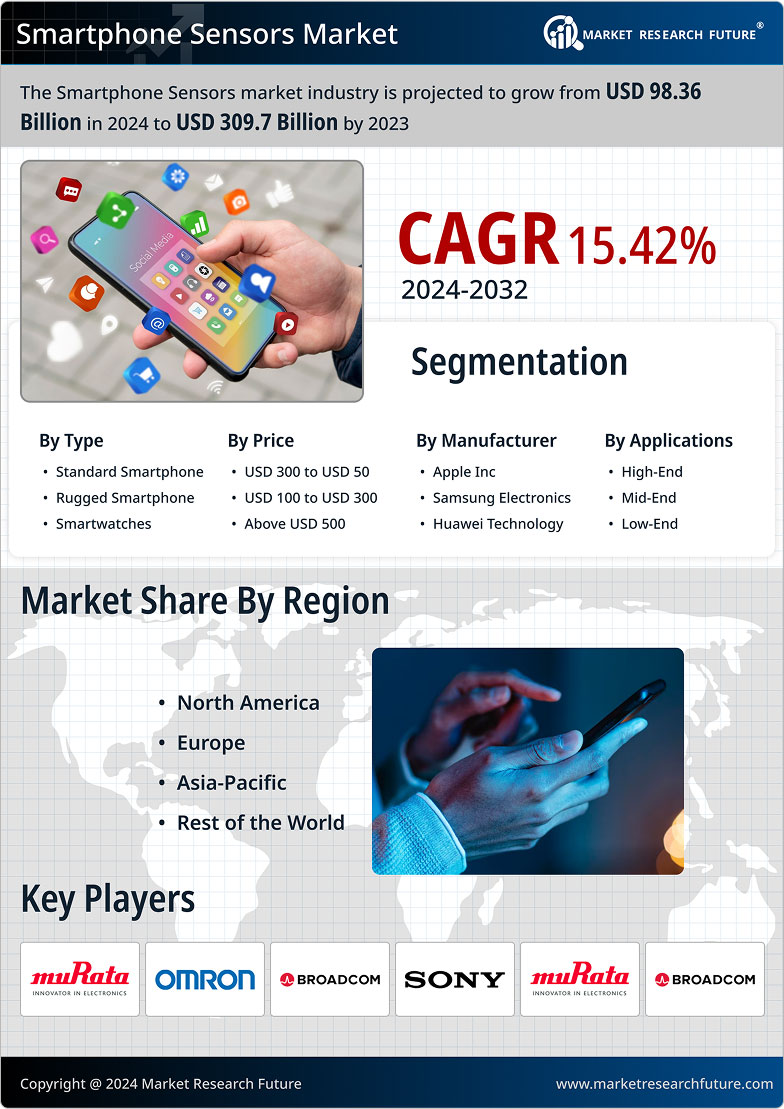
Optical Coatings Market Infographic
×
Optical Coatings Market Infographic Full View
Purchase Options

Market Share

Optical Coatings Market Share Analysis

The optical coating market has undergone dynamic growth, characterized by companies pursuing various market share positioning strategies in order to stay ahead of competitors. One of the most common ways is differentiation through technological advancement. Companies that invest in research and development (R&D) to create state-of-the-art optical coatings with exceptional performance attributes can often gain a greater piece of the pie than their competitors. In addition, strategic partnerships have emerged as a key market share positioning strategy for players within this space. In many cases, optical coating manufacturers form partnerships with major players along the supply chain, like lens makers or device producers themselves, so that they become more present across all fronts, providing integrated solutions across value networks from end users back up to raw material suppliers thereby gaining competitive edge over rivals with similar offerings yet lacking breadth because these deals help expand upon existing product line but also push into new territories creating more customer base reach even if its more specialized 'niche-oriented' approach which enables broader coverage. Dynamic factors like price positioning in the market for optical coating are very important. Some firms use this approach to keep their prices competitive while providing high-quality coatings. This is a particularly successful plan for cost-sensitive markets where there is demand for economic solutions. On the other hand, other businesses adopt premium pricing strategies, targeting high-quality, more durable, and better-performing products. In an increasingly globalized economy, geographical expansion becomes a critical game changer in market share positioning. Various companies usually exploit unexplored markets or strengthen their positions in existing ones by expanding their distribution networks as well as opening regional offices. Local preferences and conditions are satisfied through this policy, thereby bolstering the company's global standing. There is growing awareness among companies about customer-centeredness since they acknowledge that they need to appreciate and satisfy them. Optical coatings can be customized according to certain requirements when companies focus on what consumers say and want from them. Besides these approaches, sustainability and environmental concerns have become essential elements of the optical coating industry's market share positioning efforts. With increased attention being paid to environmental issues, firms that utilize sustainable materials in production processes can attract people who care about our planet. Companies remain relevant by adopting emerging technologies such as those used in the optical coatings industry, which is changing rapidly today in order to continue meeting customers' needs. By integrating smart coatings, anti-reflective coatings, and other innovations, companies can stay ahead.
Author
Anshula Mandaokar
Team Lead - Research

Anshula Mandaokar holds an academic degree in Chemical Engineering and has been contributing to the field for more than 5 years. She has expertise in Market Research and Business Consulting and serves as a Team Lead for a reputed Market Research firm under the Chemicals and Materials domain spectrum. She has worked on multiple projects, generating explicit results in a quick turnaround time. Her understanding of data interpretation justifies her role as a leader.

Leave a Comment

FAQs

What is the valuation of the global optical coatings market?

The global optical coatings market size can surpass USD 19 billion by 2035.

What was the previous valuation of the global optical coatings market?

The global optical coatings market stood at USD 12.6 billion million in 2019.

What is the expected growth rate of the global optical coatings market?

The global optical coatings market can accumulate revenues at over 8.5% CAGR

Which region can showcase the highest growth in the global optical coatings market?

The APAC region can showcase the highest growth rate till 2023 in the global optical coatings market.

Who are the key players of the global optical coatings market?

Carl Zeiss Jena GmbH, MKS Instruments, Optiforms Inc, DowDuPont Inc, Optics Balzers AG, Abrisa Technologies, Optical Coatings Japan, Berliner Glas, AMETEK, Inrad Optics, Reynard Corporation, Thorlabs inc, Angstrom Engineering Inc, Edmund Optics Inc, II-VI Incorporation, and PPG industries are the key players of the global optical coatings market.

Market Summary

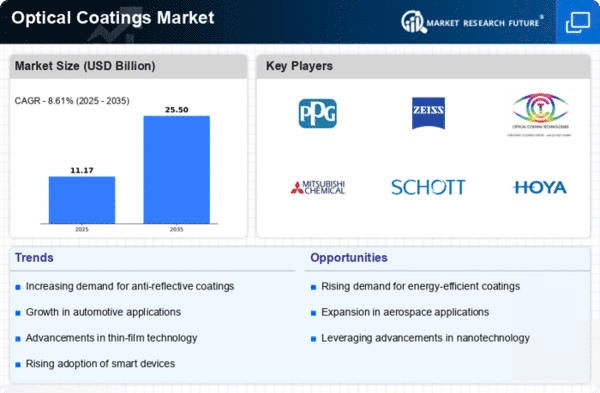
As per MRFR analysis, the Optical Coatings Market Size was estimated at 10.28 USD Billion in 2024. The Optical Coatings industry is projected to grow from 11.16 USD Billion in 2025 to 25.5 USD Billion by 2035, exhibiting a compound annual growth rate (CAGR) of 8.61 during the forecast period 2025 - 2035.

Key Market Trends & Highlights

The Optical Coatings Market is experiencing robust growth driven by technological advancements and sustainability initiatives.

  • North America remains the largest market for optical coatings, driven by high demand in consumer electronics.
  • Asia-Pacific is the fastest-growing region, reflecting increasing investments in automotive and renewable energy applications.
  • Anti-reflective coatings dominate the market, while high-performance coatings are emerging as the fastest-growing segment.
  • Rising demand in electronics and advancements in healthcare technologies are key drivers propelling market expansion.

Market Size & Forecast

2024 Market Size 10.28 (USD Billion)
2035 Market Size 25.5 (USD Billion)
CAGR (2025 - 2035) 8.61%
Largest Regional Market Share in 2024 North America

Major Players

<p>PPG Industries (US), Carl Zeiss AG (DE), Optical Coating Technologies (US), Mitsubishi Chemical Corporation (JP), Schott AG (DE), Hoya Corporation (JP), Nippon Sheet Glass Co., Ltd. (JP), Sika AG (CH), Koehler Paper Group (DE)</p>

Market Trends

The Optical Coatings Market is currently experiencing a dynamic evolution, driven by advancements in technology and increasing demand across various sectors. The proliferation of optical devices, including cameras, smartphones, and medical instruments, has necessitated the development of high-performance coatings that enhance functionality and durability. As industries seek to improve product efficiency and longevity, the integration of innovative materials and processes in optical coatings becomes paramount. This trend is further fueled by the growing emphasis on energy efficiency and sustainability, prompting manufacturers to explore eco-friendly alternatives in their formulations. Moreover, the Optical Coatings Market is witnessing a shift towards customization and tailored solutions. Companies are increasingly focusing on meeting specific customer requirements, which may involve the development of coatings with unique properties such as anti-reflective, anti-fog, or hydrophobic characteristics. This customer-centric approach not only enhances user experience but also fosters brand loyalty. As the market continues to expand, collaboration between manufacturers and end-users is likely to intensify, leading to the creation of innovative products that cater to diverse applications. Overall, the Optical Coatings Market appears poised for substantial growth, driven by technological advancements and evolving consumer preferences.

Sustainability Initiatives

The Optical Coatings Market is increasingly influenced by sustainability initiatives, as manufacturers strive to reduce environmental impact. This trend encompasses the development of eco-friendly coatings that minimize harmful emissions and utilize renewable resources. Companies are exploring biodegradable materials and sustainable production methods, which may enhance their market appeal and align with global environmental goals.

Technological Advancements

Technological advancements play a crucial role in shaping the Optical Coatings Market. Innovations in material science and coating application techniques are enabling the creation of coatings with superior performance characteristics. These advancements may lead to enhanced durability, improved optical clarity, and greater resistance to environmental factors, thereby expanding the range of applications for optical coatings.

Customization and Personalization

Customization and personalization are emerging trends within the Optical Coatings Market, as consumers increasingly seek tailored solutions. Manufacturers are responding by offering coatings designed to meet specific needs, such as anti-reflective or scratch-resistant properties. This focus on individualized products not only enhances customer satisfaction but also drives competitive differentiation in the marketplace.

Optical Coatings Market Market Drivers

Market Growth Projections

The Global Optical Coatings Market Industry is poised for substantial growth, with projections indicating a market value of 14.1 USD Billion in 2024 and an anticipated increase to 28.6 USD Billion by 2035. This growth trajectory suggests a compound annual growth rate of 6.63% from 2025 to 2035, reflecting the industry's resilience and adaptability. Factors such as technological advancements, increasing demand across various sectors, and a focus on sustainability are likely to contribute to this positive outlook. The market's expansion is indicative of the ongoing evolution of optical coatings and their critical role in modern applications.

Expansion of Consumer Electronics

The expansion of the consumer electronics sector is a pivotal driver for the Global Optical Coatings Market Industry. With the proliferation of devices such as smartphones, tablets, and smart TVs, the demand for high-quality optical coatings is on the rise. These coatings are essential for enhancing display clarity and durability, thereby improving user experience. As manufacturers strive to differentiate their products in a competitive market, the integration of advanced optical coatings becomes increasingly important. This trend is expected to bolster market growth, as consumer electronics continue to evolve and expand, further solidifying the industry's relevance.

Rising Adoption in Renewable Energy

The Global Optical Coatings Market Industry is experiencing increased adoption of optical coatings in renewable energy applications, particularly in solar energy systems. Coatings that enhance light absorption and minimize reflection are critical for improving the efficiency of solar panels. This trend aligns with global efforts to transition towards sustainable energy sources. As governments and organizations worldwide invest in renewable technologies, the demand for high-performance optical coatings is expected to rise. This shift could significantly impact the market, contributing to a projected compound annual growth rate of 6.63% from 2025 to 2035, indicating a robust growth trajectory.

Growing Demand for Advanced Coatings

The Global Optical Coatings Market Industry is witnessing a surge in demand for advanced coatings due to their applications in various sectors such as electronics, automotive, and healthcare. These coatings enhance the performance of optical devices by improving light transmission and reducing glare. For instance, anti-reflective coatings are increasingly utilized in eyeglasses and camera lenses, which is indicative of a broader trend towards high-performance optical solutions. This growing demand is projected to contribute to the market's expansion, with an estimated value of 14.1 USD Billion in 2024, reflecting the industry's potential for innovation and growth.

Increased Focus on Healthcare Applications

The Global Optical Coatings Market Industry is benefiting from an increased focus on healthcare applications, particularly in medical imaging and diagnostic equipment. Optical coatings play a crucial role in enhancing the performance of devices such as endoscopes and imaging systems by improving light transmission and reducing reflections. As the healthcare sector continues to advance technologically, the demand for high-quality optical coatings is likely to rise. This trend underscores the importance of optical coatings in ensuring accurate diagnostics and effective treatments, thereby driving growth in the market.

Technological Advancements in Coating Processes

Technological advancements in coating processes are significantly influencing the Global Optical Coatings Market Industry. Innovations such as atomic layer deposition and magnetron sputtering are enhancing the efficiency and quality of optical coatings. These technologies allow for precise control over the coating thickness and composition, leading to superior optical properties. As a result, manufacturers can produce coatings that meet stringent performance standards across various applications. The ongoing investment in research and development is likely to propel the market forward, with projections indicating a market value of 28.6 USD Billion by 2035, showcasing the industry's commitment to technological excellence.

Market Segment Insights

By Application: Anti-Reflective Coatings (Largest) vs. High-Performance Coatings (Fastest-Growing)

<p>The Optical Coatings Market is characterized by a diverse application segment, where Anti-Reflective Coatings dominate the landscape due to their extensive use in lenses and displays. These coatings account for a significant portion of the market share, stemming from their critical role in enhancing optical performance. Reflective Coatings and Filter Coatings follow, serving key functions in various optical devices, while Beam Splitters maintain a stable niche market. High-Performance Coatings are rapidly gaining traction due to their versatility and increasing adoption in advanced optical applications, marking a shift in consumer preferences towards enhanced performance features. The growth trends in this segment reflect a growing inclination towards optimized optical systems in consumer electronics, automotive, and industrial applications. Anti-Reflective and Reflective Coatings are continuously innovating, adapting to emerging technologies, while High-Performance Coatings exhibit the fastest growth trajectory driven by demand for high-efficiency solutions. The expansion of the telecommunications and healthcare sectors further fuels this momentum, as these industries increasingly rely on sophisticated optical components for production and functionality, indicating a promising future for all application categories in the Optical Coatings Market.</p>

<p>Anti-Reflective Coatings (Dominant) vs. High-Performance Coatings (Emerging)</p>

<p>Anti-Reflective Coatings are the dominant force in the Optical Coatings Market, primarily utilized in eyeglasses, camera lenses, and various display technologies due to their ability to minimize glare and improve light transmission. Their established market presence and reliability have made them a go-to choice for manufacturers. In contrast, High-Performance Coatings are an emerging trend, characterized by their advanced properties such as scratch resistance and anti-fog capabilities. As the demand for high-quality optics increases, these coatings are witnessing significant interest, especially in sectors like defense and medical imaging, where precision is critical. Their ability to provide multiple benefits in one application places them at the forefront of innovation within the market.</p>

By End Use: Consumer Electronics (Largest) vs. Automotive (Fastest-Growing)

<p>The Optical Coatings Market is primarily divided among key segments including Consumer Electronics, Automotive, Aerospace, Healthcare, and Telecommunications. Among these, Consumer Electronics holds the dominant share due to the soaring demand for electronic devices such as smartphones, televisions, and tablets, which require efficient optical coatings for enhanced performance. Automotive follows closely, driven by the increasing integration of advanced driver-assistance systems and overall automotive innovations that necessitate high-performance coatings for safety and aesthetic enhancements. Growth trends indicate that the Automotive segment is experiencing rapid expansion owing to the rising adoption of electric vehicles and advancements in vehicular technologies. Furthermore, the growing focus on lightweight materials and energy efficiency is propelling the demand for specialized coatings in both traditional and electric automotive applications. Other segments, such as Aerospace and Healthcare, also contribute to market growth but at a comparatively slower pace, driven by stringent regulations and specific application requirements.</p>

<p>Consumer Electronics: Dominant vs. Automotive: Emerging</p>

<p>In the Optical Coatings Market, Consumer Electronics stands out as the dominant segment, driven by a continuous influx of innovations in display technologies, screen performance, and device functionalities. It encompasses products such as smartphones, laptops, and tablets, which require superior optical clarity and durability, demanding high-quality coatings. Conversely, the Automotive segment is emerging rapidly, increasingly incorporating advanced optical coatings for applications in HUDs (Heads-Up Displays), lighting, and other features that enhance both safety and vehicle aesthetics. The rise of electric vehicles is further substantiating this growth, as manufacturers integrate cutting-edge technologies into vehicle designs, paving the way for new opportunities in optical coatings tailored for automotive applications.</p>

By Material Type: Dielectric Coatings (Largest) vs. Hybrid Coatings (Fastest-Growing)

<p>In the Optical Coatings Market, the segment of Material Type showcases a diverse distribution of shares among various coatings. Dielectric Coatings have established themselves as the largest segment, renowned for their superior anti-reflective and reflective properties that cater to a wide range of applications, including lenses and glasses. Conversely, Hybrid Coatings, which combine attributes of both metallic and dielectric coatings, are gaining traction for their innovative properties, indicating a shift towards advanced solutions in optical technologies.</p>

<p>Covering: Dielectric Coatings (Dominant) vs. Hybrid Coatings (Emerging)</p>

<p>Dielectric Coatings are recognized for their unparalleled effectiveness in anti-reflective coatings and are essential in applications demanding precision and clarity, such as in camera lenses and high-performance optics. Their dominance in the market is attributed to their robustness and adaptability. On the other hand, Hybrid Coatings are emerging as a significant player, leveraging the strengths of both metallic and dielectric materials. Their versatility in various applications, including consumer electronics and advanced imaging systems, positions them as a compelling choice for manufacturers looking for enhanced performance features, driving their rapid growth in the market.</p>

By Technology: Physical Vapor Deposition (Largest) vs. Chemical Vapor Deposition (Fastest-Growing)

<p>In the Optical Coatings Market, the segment values are widely diversified, with Physical Vapor Deposition (PVD) taking the lead as the dominant technology due to its extensive application in various optical components. This method is favored for its ability to produce high-quality, durable coatings that enhance the optical properties of lenses and mirrors. In contrast, Chemical Vapor Deposition (CVD) is rapidly gaining traction, especially in niche applications, making it one of the fastest-growing segments. The efficiency and versatility of CVD in creating thin films for advanced optics contribute to its expanding market share.</p>

<p>Technology: PVD (Dominant) vs. CVD (Emerging)</p>

<p>Physical Vapor Deposition (PVD) stands out in the Optical Coatings Market as the dominant technology, known for its efficient production of coatings that possess superior adherence and optical clarity. PVD coatings are commonly utilized in numerous applications, ranging from protective layers for lenses to reflective coatings for optical devices. On the other hand, Chemical Vapor Deposition (CVD) is emerging strongly due to its ability to produce uniform coatings with complex geometries, thus attracting a range of industries from aerospace to consumer electronics. As manufacturers increasingly seek high-performance solutions, the adaptability of CVD technology positions it well for future growth, allowing it to complement PVD in various advanced optical applications.</p>

By Functionality: Optical Clarity (Largest) vs. Scratch Resistance (Fastest-Growing)

<p>In the Optical Coatings Market, the functionality segment is characterized by diverse values that cater to varying customer needs. Optical clarity holds the largest market share, driven by its critical importance in applications such as lenses, glasses, and screens. Following this, scratch resistance is emerging as a significant player, gaining traction due to the increasing demand for durable optical solutions across various industries. The growth of the functionality segment is influenced by several factors, including technological advancements and evolving consumer preferences. As industries strive for improved performance, anti-fogging and anti-static properties are also gaining attention, especially in environments where visibility and cleanliness are paramount. Moreover, the trend towards multi-functional coatings indicates a preference for products that offer a combination of these functionalities, enhancing the overall value proposition for end-users.</p>

<p>Optical Clarity: Dominant vs. Scratch Resistance: Emerging</p>

<p>Optical clarity is recognized as the dominant functionality in the optical coatings market due to its essential role in ensuring high visual performance across a wide range of applications, such as eyewear, automotive, and electronic displays. This segment emphasizes the precision of light transmission, making it critical for industries prioritizing quality and sharp imagery. While optical clarity leads the market, scratch resistance presents itself as an emerging functionality, gaining importance as consumers seek durable solutions. The rise in outdoor and industrial applications necessitates coatings that can withstand harsh conditions, promoting scratch resistance as a vital attribute for enhancing product longevity. Together, these functionalities reflect a holistic approach to meeting user demands in optical technologies.</p>

Get more detailed insights about Optical Coating Market Research Report – Forecast to 2035

Regional Insights

North America : Market Leader in Optical Coatings

North America is poised to maintain its leadership in the optical coatings market, holding a significant market share of 4.5 in 2024. The region's growth is driven by increasing demand in sectors such as electronics, automotive, and healthcare, alongside stringent regulations promoting advanced coating technologies. The rise in renewable energy applications is also a key catalyst, enhancing the need for high-performance optical coatings. The competitive landscape in North America is robust, featuring key players like PPG Industries and Optical Coating Technologies. The U.S. stands out as a major contributor, supported by a strong manufacturing base and innovation in coating technologies. The presence of established companies fosters a dynamic market environment, ensuring continuous advancements and a diverse product range.

Europe : Innovation and Sustainability Focus

Europe's optical coatings market is projected to grow significantly, with a market size of 3.0 in 2024. The region is characterized by a strong emphasis on sustainability and innovation, driven by regulatory frameworks aimed at reducing environmental impact. The demand for energy-efficient solutions in industries such as automotive and construction is propelling market growth, alongside advancements in nanotechnology and smart coatings. Leading countries like Germany and France are at the forefront, hosting major players such as Carl Zeiss AG and Schott AG. The competitive landscape is marked by a focus on R&D, with companies investing heavily in innovative solutions to meet evolving consumer needs. The European market is also supported by favorable government policies promoting green technologies and sustainable practices.

Asia-Pacific : Emerging Market with High Potential

The Asia-Pacific region is witnessing rapid growth in the optical coatings market, with a market size of 2.5 in 2024. This growth is fueled by increasing industrialization, urbanization, and rising disposable incomes, leading to higher demand for consumer electronics and automotive applications. Additionally, government initiatives promoting technological advancements and manufacturing capabilities are acting as significant growth drivers in the region. Countries like Japan and China are leading the market, with key players such as Mitsubishi Chemical Corporation and Hoya Corporation establishing a strong presence. The competitive landscape is evolving, with local manufacturers increasingly focusing on innovation and quality to capture market share. The region's potential is further enhanced by investments in research and development, positioning it as a key player in The Optical Coatings.

Middle East and Africa : Developing Market with Opportunities

The Middle East and Africa region is emerging as a developing market for optical coatings, with a market size of 0.28 in 2024. The growth in this region is primarily driven by increasing investments in infrastructure and technology, alongside a rising demand for advanced coatings in sectors such as construction and automotive. Regulatory support for technological advancements is also fostering market growth, creating opportunities for new entrants and established players alike. Countries like South Africa and the UAE are leading the charge, with a growing number of local and international companies entering the market. The competitive landscape is characterized by a mix of established players and new entrants, focusing on innovative solutions to meet the unique demands of the region. As the market matures, the potential for growth in optical coatings is significant, attracting attention from global manufacturers.

Key Players and Competitive Insights

The Optical Coatings Market is currently characterized by a dynamic competitive landscape, driven by technological advancements and increasing demand across various sectors, including electronics, automotive, and healthcare. Key players such as PPG Industries (US), Carl Zeiss AG (DE), and Mitsubishi Chemical Corporation (JP) are strategically positioned to leverage innovation and expand their market presence. PPG Industries (US) focuses on enhancing its product portfolio through research and development, while Carl Zeiss AG (DE) emphasizes precision optics and high-performance coatings, indicating a trend towards specialization in high-value applications. These strategies collectively shape a competitive environment that is increasingly focused on quality and technological differentiation.

In terms of business tactics, companies are localizing manufacturing and optimizing supply chains to enhance operational efficiency and reduce costs. The market appears moderately fragmented, with several players vying for market share, yet the influence of major companies remains substantial. This competitive structure suggests that while there is room for smaller entrants, the established players are likely to dominate through their extensive resources and technological capabilities.

In November 2025, PPG Industries (US) announced the launch of a new line of environmentally friendly optical coatings designed to reduce energy consumption in commercial buildings. This strategic move not only aligns with global sustainability trends but also positions PPG as a leader in eco-friendly solutions, potentially attracting a broader customer base concerned with environmental impact. The introduction of these coatings may enhance their competitive edge in a market increasingly driven by sustainability.

In October 2025, Carl Zeiss AG (DE) unveiled a partnership with a leading technology firm to develop AI-driven optical systems. This collaboration is significant as it indicates a shift towards integrating artificial intelligence in optical technologies, which could revolutionize product offerings and enhance operational efficiencies. By embracing AI, Carl Zeiss AG is likely to improve its product development cycle and customer engagement, thereby solidifying its market position.

In September 2025, Mitsubishi Chemical Corporation (JP) expanded its manufacturing capabilities in Asia by investing in a new facility dedicated to advanced optical coatings. This expansion reflects a strategic focus on meeting the growing demand in the Asia-Pacific region, which is expected to witness substantial growth in optical applications. The investment not only enhances Mitsubishi's production capacity but also positions the company to respond swiftly to regional market needs, thereby strengthening its competitive stance.

As of December 2025, current trends in the Optical Coatings Market are increasingly defined by digitalization, sustainability, and the integration of advanced technologies such as AI. Strategic alliances are becoming more prevalent, enabling companies to pool resources and expertise to innovate more effectively. The competitive differentiation is likely to evolve from traditional price-based competition towards a focus on innovation, technology, and supply chain reliability, suggesting that companies that prioritize these aspects will be better positioned for future success.

Key Companies in the Optical Coatings Market include

Industry Developments

  • Q2 2024: Materion Corporation Announces Opening of New Optical Coating Facility in Taiwan Materion Corporation, a global leader in advanced materials, announced the opening of a new optical coating facility in Taiwan to expand its manufacturing capacity and better serve the Asia-Pacific market.
  • Q1 2024: Viavi Solutions Launches New High-Performance Optical Coating for 5G Applications Viavi Solutions introduced a new high-performance optical coating designed specifically for 5G infrastructure, aiming to enhance signal transmission and durability in next-generation networks.
  • Q2 2024: Edmund Optics Expands Manufacturing Capabilities with New Coating Chambers Edmund Optics announced the installation of advanced coating chambers at its U.S. facility, increasing production capacity for precision optical coatings used in medical and industrial applications.
  • Q1 2024: Praxair Surface Technologies and Bühler Partner to Develop Advanced Optical Coating Solutions Praxair Surface Technologies entered a strategic partnership with Bühler to co-develop advanced optical coating solutions for semiconductor and display technologies.
  • Q2 2024: ZEISS Launches New Anti-Reflective Coating for Eyewear Market ZEISS introduced a new anti-reflective optical coating for eyewear, targeting improved clarity and durability for consumer and professional users.
  • Q1 2024: Inrad Optics Secures Multi-Year Contract for Defense Optical Coatings Market Inrad Optics announced it has secured a multi-year contract to supply specialized optical coatings for defense applications, supporting advanced imaging and targeting systems.
  • Q2 2024: II-VI Incorporated Completes Acquisition of Coherent’s Optical Coating Division II-VI Incorporated completed the acquisition of Coherent’s optical coating division, expanding its portfolio in precision coatings for lasers and photonics.
  • Q1 2024: Jenoptik Appoints New CEO to Drive Growth in Optical Coating Segment Jenoptik announced the appointment of a new CEO, with a strategic focus on expanding the company’s optical coating business in global markets.
  • Q2 2024: HORIBA Launches Next-Generation Optical Coating for Spectroscopy Instruments HORIBA unveiled a next-generation optical coating technology for its spectroscopy instruments, offering improved sensitivity and wavelength selectivity.
  • Q1 2024: Optical Coatings Market Japan Announces $10M Series B Funding to Expand Production Optical Coatings Market Japan raised $10 million in Series B funding to expand its production capacity and accelerate development of advanced thin-film coatings.
  • Q2 2024: Thorlabs Opens New European Optical Coating Center Thorlabs announced the opening of a new optical coating center in Europe, aimed at increasing supply chain resilience and supporting regional customers.
  • Q1 2024: OptoSigma Partners with Laser Components to Develop Custom Coating Solutions OptoSigma entered a partnership with Laser Components to jointly develop custom optical coating solutions for laser and photonics applications.

Future Outlook

Optical Coatings Market Future Outlook

<p>The Optical Coatings Market is projected to grow at 8.61% CAGR from 2024 to 2035, driven by advancements in technology, increasing demand in electronics, and rising applications in healthcare.</p>

New opportunities lie in:

  • <p>Development of anti-reflective coatings for solar panels</p>
  • <p>Expansion into emerging markets with customized optical solutions</p>
  • <p>Investment in R&D for multifunctional coatings in automotive applications</p>

<p>By 2035, the Optical Coatings Market is expected to achieve substantial growth and innovation.</p>

Market Segmentation

Optical Coatings Market End Use Outlook

  • Consumer Electronics
  • Automotive
  • Aerospace
  • Healthcare
  • Telecommunications

Optical Coatings Market Technology Outlook

  • Physical Vapor Deposition
  • Chemical Vapor Deposition
  • Sputtering
  • Sol-Gel Process
  • Electron Beam Evaporation

Optical Coatings Market Application Outlook

  • Anti-Reflective Coatings
  • Reflective Coatings
  • Beam Splitters
  • Filter Coatings
  • High-Performance Coatings

Optical Coatings Market Functionality Outlook

  • Optical Clarity
  • Durability
  • Scratch Resistance
  • Anti-Fogging
  • Anti-Static

Optical Coatings Market Material Type Outlook

  • Metallic Coatings
  • Dielectric Coatings
  • Hybrid Coatings
  • Organic Coatings
  • Inorganic Coatings

Report Scope

MARKET SIZE 202410.28(USD Billion)
MARKET SIZE 202511.16(USD Billion)
MARKET SIZE 203525.5(USD Billion)
COMPOUND ANNUAL GROWTH RATE (CAGR)8.61% (2024 - 2035)
REPORT COVERAGERevenue Forecast, Competitive Landscape, Growth Factors, and Trends
BASE YEAR2024
Market Forecast Period2025 - 2035
Historical Data2019 - 2024
Market Forecast UnitsUSD Billion
Key Companies ProfiledPPG Industries (US), Carl Zeiss AG (DE), Optical Coating Technologies (US), Mitsubishi Chemical Corporation (JP), Schott AG (DE), Hoya Corporation (JP), Nippon Sheet Glass Co., Ltd. (JP), Sika AG (CH), Koehler Paper Group (DE)
Segments CoveredApplication, End Use, Material Type, Technology, Functionality
Key Market OpportunitiesAdvancements in anti-reflective coatings drive growth in the Optical Coatings Market.
Key Market DynamicsTechnological advancements drive innovation in optical coatings, enhancing performance across diverse applications and industries.
Countries CoveredNorth America, Europe, APAC, South America, MEA

FAQs

What is the valuation of the global optical coatings market?

The global optical coatings market size can surpass USD 19 billion by 2035.

What was the previous valuation of the global optical coatings market?

The global optical coatings market stood at USD 12.6 billion million in 2019.

What is the expected growth rate of the global optical coatings market?

The global optical coatings market can accumulate revenues at over 8.5% CAGR

Which region can showcase the highest growth in the global optical coatings market?

The APAC region can showcase the highest growth rate till 2023 in the global optical coatings market.

Who are the key players of the global optical coatings market?

Carl Zeiss Jena GmbH, MKS Instruments, Optiforms Inc, DowDuPont Inc, Optics Balzers AG, Abrisa Technologies, Optical Coatings Japan, Berliner Glas, AMETEK, Inrad Optics, Reynard Corporation, Thorlabs inc, Angstrom Engineering Inc, Edmund Optics Inc, II-VI Incorporation, and PPG industries are the key players of the global optical coatings market.

  1. SECTION I: EXECUTIVE SUMMARY AND KEY HIGHLIGHTS
    1. | 1.1 EXECUTIVE SUMMARY
  2. SECTION II: SCOPING, METHODOLOGY AND MARKET STRUCTURE
    1. | 2.1 MARKET INTRODUCTION
    2. | 2.2 RESEARCH METHODOLOGY
  3. SECTION III: QUALITATIVE ANALYSIS
    1. | 3.1 MARKET DYNAMICS
    2. | 3.2 MARKET FACTOR ANALYSIS
  4. SECTION IV: QUANTITATIVE ANALYSIS
    1. | 4.1 Chemicals and Materials, BY Application (USD Billion)
    2. | 4.2 Chemicals and Materials, BY End Use (USD Billion)
    3. | 4.3 Chemicals and Materials, BY Material Type (USD Billion)
    4. | 4.4 Chemicals and Materials, BY Technology (USD Billion)
    5. | 4.5 Chemicals and Materials, BY Functionality (USD Billion)
    6. | 4.6 Chemicals and Materials, BY Region (USD Billion)
  5. SECTION V: COMPETITIVE ANALYSIS
    1. | 5.1 Competitive Landscape
    2. | 5.2 Company Profiles
    3. | 5.3 Appendix

Optical Coating Market Segmentation

Market Segmentation Overview

  • Detailed segmentation data will be available in the full report
  • Comprehensive analysis by multiple parameters
  • Regional and country-level breakdowns
  • Market size forecasts by segment
Infographic

Free Sample Request

Kindly complete the form below to receive a free sample of this Report

Get Free Sample

Customer Strories

Compare Licence

×
Features License Type
Single User Multiuser License Enterprise User
Price $4,950 $5,950 $7,250
Maximum User Access Limit 1 User Upto 10 Users Unrestricted Access Throughout the Organization
Free Customization
Direct Access to Analyst
Deliverable Format
Platform Access
Discount on Next Purchase 10% 15% 15%
Printable Versions