×
Request Free Sample ×

Kindly complete the form below to receive a free sample of this Report

* Please use a valid business email

Leading companies partner with us for data-driven Insights

clients tt-cursor
Hero Background

Argentina Probiotics Market

ID: MRFR/FnB/45087-HCR
128 Pages
Snehal Singh
February 2026

Argentina Probiotics Market Size, Share, Industry Trend & Analysis Research Report: By Source (bacteria, yeast) and By Application (functional food and beverages, dietary supplements, animal nutrition, others) - Forecast to 2035.

Share:
Download PDF ×

We do not share your information with anyone. However, we may send you emails based on your report interest from time to time. You may contact us at any time to opt-out.

Argentina Probiotics Market  Infographic
Purchase Options

Argentina Probiotics Market Summary

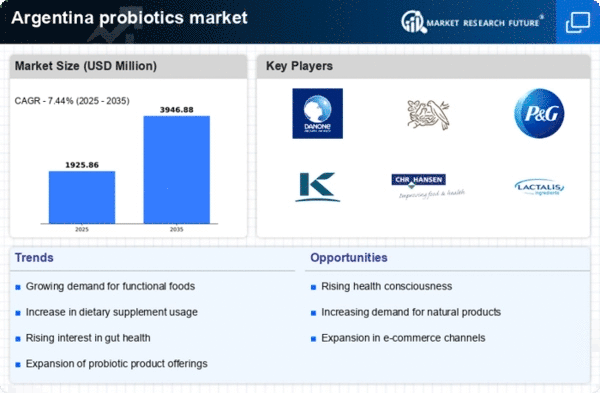
As per Market Research Future analysis, the Argentina probiotics market Size was estimated at 1792.5 USD Million in 2024. The Argentina probiotics market is projected to grow from 1925.86 USD Million in 2025 to 3946.88 USD Million by 2035, exhibiting a compound annual growth rate (CAGR) of 7.4% during the forecast period 2025 - 2035

Key Market Trends & Highlights

The Argentina probiotics market is experiencing notable growth driven by health trends and consumer preferences.

  • Consumer awareness regarding the health benefits of probiotics is rising, influencing purchasing decisions.
  • The market is witnessing an expansion of product offerings, particularly in the dietary supplements and functional foods segments.
  • Regulatory developments are shaping the landscape, ensuring product safety and efficacy in the probiotics sector.
  • Increasing health consciousness and the rising demand for functional foods are key drivers propelling market growth.

Market Size & Forecast

2024 Market Size 1792.5 (USD Million)
2035 Market Size 3946.88 (USD Million)
CAGR (2025 - 2035) 7.44%

Major Players

Danone (FR), Nestle (CH), Procter & Gamble (US), Kerry Group (IE), Chr. Hansen (DK), Lactalis Ingredients (FR), Yakult Honsha (JP), Synlogic (US), ProbioFerm (DE)

Our Impact
Enabled $4.3B Revenue Impact for Fortune 500 and Leading Multinationals
Partnering with 2000+ Global Organizations Each Year
30K+ Citations by Top-Tier Firms in the Industry

Argentina Probiotics Market Trends

The probiotics market in Argentina is currently experiencing notable growth, driven by increasing consumer awareness regarding health and wellness. This heightened interest is reflected in the rising demand for functional foods and dietary supplements that contain probiotics. Consumers are becoming more informed about the benefits of probiotics, which include improved digestive health, enhanced immune function, and potential mental health benefits. As a result, manufacturers are expanding their product lines to include a variety of probiotic-rich options, such as yogurts, beverages, and capsules, catering to diverse consumer preferences. Moreover, the regulatory environment in Argentina appears to be evolving, with authorities recognizing the importance of probiotics in public health. This shift may lead to more stringent quality standards and labeling requirements, which could enhance consumer trust in probiotic products. Additionally, the growing trend of natural and organic products is influencing the probiotics market, as consumers increasingly seek out options that align with their health-conscious lifestyles. Overall, the landscape of the probiotics market in Argentina is dynamic, characterized by innovation and a commitment to meeting the needs of health-oriented consumers.

Rising Consumer Awareness

There is a noticeable increase in consumer awareness regarding the health benefits associated with probiotics. This trend is prompting more individuals to seek out probiotic products as part of their daily health regimen, leading to a surge in demand.

Expansion of Product Offerings

Manufacturers are diversifying their product lines to include a wider array of probiotic options. This includes not only traditional dairy products but also non-dairy alternatives, supplements, and functional foods, catering to various dietary preferences.

Regulatory Developments

The regulatory framework surrounding probiotics is evolving, with authorities in Argentina likely to implement stricter guidelines. This may enhance product quality and safety, fostering greater consumer confidence in probiotic offerings.

Argentina Probiotics Market Drivers

Evolving Retail Landscape

The retail landscape in Argentina is evolving, with a notable increase in the availability of probiotic products across various channels. Supermarkets, health food stores, and online platforms are expanding their offerings, making it easier for consumers to access probiotics. This increased accessibility is likely to drive sales in the probiotics market, as consumers are more inclined to purchase products that are readily available. The rise of e-commerce, in particular, has transformed shopping habits, allowing consumers to explore a wider range of probiotic options from the comfort of their homes. This shift in retail dynamics is expected to contribute positively to market growth.

Increasing Health Consciousness

The growing awareness of health and wellness among consumers in Argentina appears to be a primary driver for the probiotics market. As individuals become more informed about the benefits of gut health, there is a noticeable shift towards incorporating probiotics into daily diets. This trend is reflected in the increasing sales of probiotic products, which reportedly reached approximately $150 million in 2025. Consumers are actively seeking products that promote digestive health, boost immunity, and enhance overall well-being. This heightened focus on health is likely to propel the probiotics market further, as more individuals prioritize preventive health measures and seek natural solutions to health issues.

Supportive Government Initiatives

Supportive government initiatives in Argentina are playing a crucial role in promoting the probiotics market. Regulatory bodies are increasingly recognizing the importance of probiotics in public health, leading to the establishment of guidelines that encourage the development and marketing of probiotic products. These initiatives may include funding for research and development, as well as educational campaigns aimed at raising awareness about the benefits of probiotics. Such support is likely to foster innovation within the industry, enabling manufacturers to create high-quality products that meet consumer demands and regulatory standards.

Rising Demand for Functional Foods

The demand for functional foods in Argentina is on the rise, significantly impacting the probiotics market. Consumers are increasingly looking for foods that offer health benefits beyond basic nutrition. Probiotics, known for their positive effects on gut health and immune function, are becoming a staple in this category. The market for functional foods, including probiotic-rich yogurts and supplements, is projected to grow at a CAGR of 8% over the next five years. This trend indicates a robust opportunity for manufacturers to innovate and expand their product lines, catering to the evolving preferences of health-conscious consumers.

Growing Interest in Natural Remedies

There is a growing interest in natural remedies among Argentine consumers, which is influencing the probiotics market. As people seek alternatives to synthetic medications, probiotics are increasingly viewed as a natural solution for various health issues, including digestive disorders and immune support. This trend aligns with the broader movement towards holistic health and wellness, where consumers prefer products derived from natural sources. The inclination towards natural remedies is likely to enhance the appeal of probiotic products, encouraging more individuals to incorporate them into their health regimens.


Market Segment Insights

By Source: Bacteria (Largest) vs. Yeast (Fastest-Growing)

In the Argentina probiotics market, the 'Bacteria' segment holds a significant portion of the market share, largely due to its established presence and strong consumer acceptance. This segment benefits from a broad range of applications, including digestive health, immune support, and overall wellness, catering to diverse consumer needs. On the other hand, the 'Yeast' segment, while smaller, is attracting growing interest, particularly among health-conscious consumers seeking alternative probiotic sources and benefits associated with yeast strains. Growth trends in the Argentina probiotics market indicate a rising demand for both segments, with 'Yeast' emerging rapidly as a favored option. The increasing awareness of health benefits linked to probiotics, coupled with trends in gut health and dietary supplementation, are driving consumers towards a more varied probiotic intake. Innovative product development and marketing strategies are further bolstering the attractiveness of the yeast segment, positioning it as a strong competitor to the traditional bacteria segment.

Bacteria (Dominant) vs. Yeast (Emerging)

The 'Bacteria' segment remains the dominant force in the Argentina probiotics market, characterized by a wide array of probiotic products that include strains like Lactobacillus and Bifidobacterium. This segment is favored for its scientifically backed health benefits and extensive clinical research supporting its efficacy. Conversely, the 'Yeast' segment is considered emerging, with products that often emphasize unique benefits such as improved digestion and immune response. As consumers become more educated about the potential of different probiotic sources, yeast-based products are gaining traction, appealing particularly to those seeking diverse health benefits. This dynamic indicates a shift in consumer preferences, promoting inclusivity of various probiotic strains in their diets.

By Application: Functional Food and Beverages (Largest) vs. Dietary Supplements (Fastest-Growing)

In the Argentina probiotics market, Functional Food and Beverages constitute the largest segment, commanding a significant share of the overall market. This segment's popularity stems from the increasing consumer awareness of health benefits associated with probiotic-rich products. Following closely is the Dietary Supplements segment, reflecting the growing trend of health-conscious individuals opting for convenient and targeted probiotic solutions. The growth trends for the application segments show a clear inclination towards Dietary Supplements, marked as the fastest-growing area within the market. This is largely driven by the rising demand for personalized nutrition and wellness products. Consumers are increasingly seeking supplements tailored to specific health needs, creating opportunities for brands to innovate and expand their offerings in response to shifting consumer preferences.

Functional Food and Beverages: Dominant vs. Dietary Supplements: Emerging

Functional Food and Beverages hold a dominant position in the Argentina probiotics market due to their widespread acceptance and established presence in consumers' diets. This segment includes a variety of products such as yogurt, fermented drinks, and functional snacks. On the other hand, Dietary Supplements represent an emerging opportunity, catering to a growing segment of consumers who prioritize health and wellness. These supplements are often viewed as a convenient way to enhance daily nutrition, and their appeal is further amplified by increasing investments in research and development. Both segments exhibit unique characteristics, with Functional Food and Beverages focusing on everyday consumption and Dietary Supplements targeting niche health benefits.

Get more detailed insights about Argentina Probiotics Market

Key Players and Competitive Insights

The probiotics market in Argentina is characterized by a dynamic competitive landscape, driven by increasing consumer awareness regarding gut health and the rising demand for functional foods. Major players such as Danone (FR), Nestle (CH), and Yakult Honsha (JP) are actively shaping the market through strategic innovations and regional expansions. Danone (FR) focuses on enhancing its product portfolio with new probiotic formulations, while Nestle (CH) emphasizes partnerships with local distributors to strengthen its market presence. Yakult Honsha (JP) continues to leverage its strong brand recognition and consumer trust, positioning itself as a leader in the probiotic beverage segment. Collectively, these strategies contribute to a competitive environment that is increasingly focused on product differentiation and consumer engagement.Key business tactics employed by these companies include localizing manufacturing processes and optimizing supply chains to enhance efficiency and reduce costs. The market structure appears moderately fragmented, with several key players holding substantial market shares. This fragmentation allows for a diverse range of products, catering to various consumer preferences and dietary needs. The collective influence of these major players fosters a competitive atmosphere where innovation and quality are paramount.

In October Danone (FR) announced the launch of a new line of probiotic yogurts specifically designed for the Argentine market, incorporating local flavors and ingredients. This strategic move not only aims to cater to local tastes but also reinforces Danone's commitment to regional customization, potentially increasing its market share in a competitive landscape. The introduction of these products may enhance consumer loyalty and drive sales growth in a market that values local relevance.

In September Nestle (CH) expanded its probiotic supplement offerings by acquiring a local health supplement brand, which specializes in gut health products. This acquisition is significant as it allows Nestle to tap into the growing demand for dietary supplements in Argentina, thereby diversifying its product range and strengthening its foothold in the probiotics sector. The integration of this brand could lead to enhanced distribution channels and increased consumer access to probiotic solutions.

In August Yakult Honsha (JP) launched a new marketing campaign aimed at educating consumers about the benefits of probiotics, particularly in relation to digestive health. This initiative is crucial as it not only raises awareness but also positions Yakult as a thought leader in the probiotics space. By investing in consumer education, Yakult may enhance brand loyalty and drive long-term growth in a market that is becoming increasingly competitive.

As of November current trends in the probiotics market indicate a strong emphasis on digitalization, sustainability, and the integration of artificial intelligence in product development and marketing strategies. Strategic alliances among key players are shaping the competitive landscape, fostering innovation and collaboration. Looking ahead, it appears that competitive differentiation will increasingly hinge on technological advancements and sustainable practices, moving away from traditional price-based competition. Companies that prioritize innovation, supply chain reliability, and consumer engagement are likely to thrive in this evolving market.

Key Companies in the Argentina Probiotics Market include

Industry Developments

In the Argentina Probiotics Market, recent news indicates a growing interest in probiotic products among consumers, reflecting a shift toward health-conscious choices. Major companies like Danone and Nestle are expanding their probiotic offerings to cater to the increasing demand for gut health solutions.

In August 2023, the Hero Group announced a strategic partnership with local distributors to enhance its market presence in Argentina, aiming to introduce new probiotic formulations specifically designed for local consumers.

Additionally, in July 2023, Kerry Group launched a new line of probiotic supplements tailored to the Argentinian market preferences. Over the last two to three years, the market has witnessed significant growth, attributed partly to rising consumer awareness about the health benefits of probiotics, along with increased availability in retail outlets.

Notably, Probi AB has strengthened its distribution channels in Argentina, enhancing its competitive position. Despite no recent reported mergers or acquisitions involving the listed companies in this market, the overall market valuation is on an upward trend, reflected in increased investments and product innovation.

This dynamic landscape is bolstered by the Argentina government's initiatives to promote health and well-being among its population.

Future Outlook

Argentina Probiotics Market Future Outlook

The Probiotics Market in Argentina is projected to grow at a 7.44% CAGR from 2025 to 2035, driven by increasing health awareness and demand for functional foods.

New opportunities lie in:

  • Development of targeted probiotic formulations for specific health conditions.
  • Expansion of e-commerce platforms for direct-to-consumer probiotic sales.
  • Partnerships with healthcare providers for probiotic recommendations and education.

By 2035, the probiotics market is expected to achieve substantial growth, reflecting evolving consumer preferences and health trends.

Market Segmentation

Argentina Probiotics Market Source Outlook

  • Bacteria
  • Yeast

Argentina Probiotics Market Application Outlook

  • Functional food and beverages
  • Dietary Supplements
  • Animal Nutrition
  • Others

Report Scope

MARKET SIZE 2024 1792.5(USD Million)
MARKET SIZE 2025 1925.86(USD Million)
MARKET SIZE 2035 3946.88(USD Million)
COMPOUND ANNUAL GROWTH RATE (CAGR) 7.44% (2025 - 2035)
REPORT COVERAGE Revenue Forecast, Competitive Landscape, Growth Factors, and Trends
BASE YEAR 2024
Market Forecast Period 2025 - 2035
Historical Data 2019 - 2024
Market Forecast Units USD Million
Key Companies Profiled Danone (FR), Nestle (CH), Procter & Gamble (US), Kerry Group (IE), Chr. Hansen (DK), Lactalis Ingredients (FR), Yakult Honsha (JP), Synlogic (US), ProbioFerm (DE)
Segments Covered Source, Application
Key Market Opportunities Growing consumer demand for gut health products drives innovation in the probiotics market.
Key Market Dynamics Rising consumer awareness drives demand for probiotics, influencing product innovation and market competition in Argentina.
Countries Covered Argentina
Leave a Comment

FAQs

What was the market size of the Argentina Probiotics Market in 2024?

The Argentina Probiotics Market was valued at 717.0 USD Million in 2024.

What is the projected market size for the Argentina Probiotics Market by 2035?

By 2035, the Argentina Probiotics Market is anticipated to reach a valuation of 1346.0 USD Million.

What is the expected compound annual growth rate (CAGR) for the Argentina Probiotics Market from 2025 to 2035?

The expected CAGR for the Argentina Probiotics Market from 2025 to 2035 is 5.893%.

What are the projected market values for probiotics sourced from bacteria in 2024 and 2035?

Probiotics sourced from bacteria were valued at 430.0 USD Million in 2024 and are expected to reach 834.0 USD Million in 2035.

What are the projected market values for probiotics sourced from yeast in 2024 and 2035?

Probiotics sourced from yeast were valued at 287.0 USD Million in 2024 and are likely to reach 512.0 USD Million in 2035.

Who are the key players in the Argentina Probiotics Market?

Major players include Hero Group, Kerry Group, Probi AB, BioCare Copenhagen, Synlogic, Danone, Arla Foods, and Nestle.

What challenges might the Argentina Probiotics Market face in the coming years?

Challenges may arise from regulatory hurdles, competition, and fluctuating consumer preferences.

What growth drivers are expected for the Argentina Probiotics Market?

The growth of the health-conscious consumer base and increased awareness of probiotic benefits are key drivers.

What is the dominant source type of probiotics in the Argentina market?

Bacteria is the dominant source type of probiotics expected to represent a significant portion of the market.

How is the current global scenario impacting the Argentina Probiotics Market?

The current global scenario may create fluctuations in supply chains and impact pricing strategies in the market.

Download Free Sample

Kindly complete the form below to receive a free sample of this Report

Compare Licence

×
Features License Type
Single User Multiuser License Enterprise User
Price $4,950 $5,950 $7,250
Maximum User Access Limit 1 User Upto 10 Users Unrestricted Access Throughout the Organization
Free Customization
Direct Access to Analyst
Deliverable Format
Platform Access
Discount on Next Purchase 10% 15% 15%
Printable Versions