×
Request Free Sample ×

Kindly complete the form below to receive a free sample of this Report

* Please use a valid business email

Leading companies partner with us for data-driven Insights

clients tt-cursor
Hero Background

US Orthokeratology Lens Market

ID: MRFR/HC/12160-HCR
100 Pages
Garvit Vyas
February 2026

United States Orthokeratology Lens Market Research Report: Size, Share, Trend Analysis - Growth & Industry Forecast 2025 To 2035

Share:
Download PDF ×

We do not share your information with anyone. However, we may send you emails based on your report interest from time to time. You may contact us at any time to opt-out.

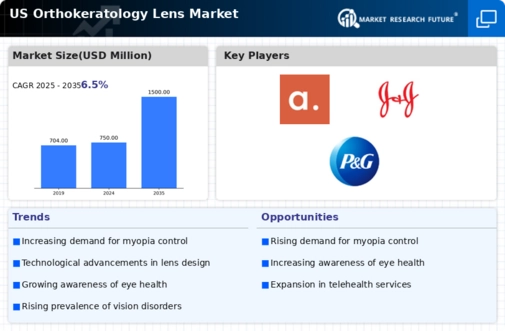
US Orthokeratology Lens Market Infographic
Purchase Options

US Orthokeratology Lens Market Summary

As per analysis, the US orthokeratology lens market is projected to grow from USD 157.5 Million in 2024 to USD 298.2 Million by 2035, exhibiting a compound annual growth rate (CAGR) of 5.97% during the forecast period (2025 - 2035).

Key Market Trends & Highlights

The US orthokeratology lens market is experiencing robust growth driven by increasing demand for myopia management and technological advancements.

  • The myopia control segment remains the largest, reflecting a growing focus on managing vision health.
  • Astigmatism correction is the fastest-growing segment, indicating a shift towards diverse vision correction solutions.
  • Optometry clinics continue to dominate the market, while online retailers are emerging as the fastest-growing distribution channel.
  • Key market drivers include rising awareness of vision health and the increasing prevalence of myopia, which are propelling market expansion.

Market Size & Forecast

2024 Market Size 157.5 (USD Million)
2035 Market Size 298.2 (USD Million)
CAGR (2025 - 2035) 5.97%

Major Players

CooperVision (US), Bausch + Lomb (US), Menicon (JP), Paragon Vision Sciences (US), EssilorLuxottica (FR), Johnson & Johnson Vision (US), OptiLight (US), Eyeconic (US)

Our Impact
Enabled $4.3B Revenue Impact for Fortune 500 and Leading Multinationals
Partnering with 2000+ Global Organizations Each Year
30K+ Citations by Top-Tier Firms in the Industry

US Orthokeratology Lens Market Trends

The US orthokeratology lens market is currently experiencing a notable evolution, driven by increasing awareness of myopia management and the growing preference for non-surgical vision correction options. Orthokeratology lenses, which are designed to reshape the cornea overnight, are gaining traction among both children and adults. This trend appears to be fueled by a rising incidence of myopia in the United States, prompting parents and eye care professionals to seek effective solutions. Furthermore, advancements in lens technology and materials are enhancing comfort and efficacy, making these lenses more appealing to a broader audience. In addition, the regulatory landscape surrounding orthokeratology lenses is evolving, with the US Food and Drug Administration (FDA) providing clearer guidelines for manufacturers. This regulatory clarity may encourage innovation and investment in the sector, potentially leading to a wider variety of products available in the market. As the US orthokeratology lens market continues to develop, it seems poised for growth, driven by both consumer demand and technological advancements. The interplay between these factors suggests a dynamic future for this segment of the vision correction industry.

Rising Demand for Myopia Management

There is an increasing recognition of the need for effective myopia management strategies in the US. As myopia rates rise, particularly among children, parents are actively seeking non-invasive solutions like orthokeratology lenses. This trend indicates a shift towards proactive vision care, with a focus on preventing the progression of myopia.

Technological Advancements in Lens Design

Innovations in lens technology are enhancing the performance and comfort of orthokeratology lenses. New materials and designs are being developed to improve wearability and effectiveness, which may attract a wider range of users. This trend suggests that ongoing research and development will play a crucial role in shaping the future of the US orthokeratology lens market.

Regulatory Developments and Market Growth

The evolving regulatory framework for orthokeratology lenses in the US is likely to impact market dynamics. Clearer guidelines from the FDA may foster innovation and encourage new entrants into the market. This regulatory support could lead to an expansion of product offerings, ultimately benefiting consumers and eye care professionals alike.

US Orthokeratology Lens Market Drivers

Rising Prevalence of Myopia

The rising prevalence of myopia in the United States is a critical factor influencing the US orthokeratology lens market. Recent studies indicate that approximately 42% of the US population is affected by myopia, a figure that has been steadily increasing over the past few decades. This trend is particularly pronounced among children and adolescents, who are at a higher risk of developing severe myopia. As the demand for effective myopia management solutions escalates, orthokeratology lenses are emerging as a viable option. These lenses not only provide temporary vision correction but also have the potential to slow the progression of myopia, making them an attractive choice for parents concerned about their children's eye health.

Supportive Regulatory Environment

A supportive regulatory environment is fostering growth in the US orthokeratology lens market. The US Food and Drug Administration (FDA) has established guidelines that facilitate the approval and marketing of orthokeratology lenses, ensuring that they meet safety and efficacy standards. This regulatory framework not only instills confidence in consumers but also encourages manufacturers to invest in research and development. As a result, the market is witnessing an influx of new products and innovations aimed at addressing the needs of myopic patients. The FDA's proactive stance on approving new technologies is likely to enhance competition among manufacturers, ultimately benefiting consumers through improved product offerings and pricing.

Increasing Awareness of Vision Health

The growing awareness of vision health among the US population appears to be a significant driver for the US orthokeratology lens market. As more individuals recognize the importance of maintaining optimal eye health, there is a corresponding increase in demand for innovative solutions like orthokeratology lenses. Educational campaigns by healthcare professionals and organizations have contributed to this trend, emphasizing the benefits of myopia control. According to recent surveys, nearly 60% of parents express concern about their children's vision, which may lead to a higher adoption rate of orthokeratology lenses. This heightened awareness is likely to propel market growth, as consumers actively seek effective alternatives to traditional corrective eyewear.

Technological Innovations in Lens Manufacturing

Technological innovations in lens manufacturing are playing a pivotal role in shaping the US orthokeratology lens market. Advances in materials and design techniques have led to the development of more comfortable and effective lenses. For instance, the introduction of high-Dk materials allows for increased oxygen permeability, enhancing wearability and reducing the risk of complications. Furthermore, digital mapping technologies enable precise customization of lenses to fit individual corneal shapes, improving overall efficacy. As these innovations continue to evolve, they are likely to attract a broader consumer base, including those who may have previously been hesitant to try orthokeratology lenses. This trend suggests a promising future for the market as it adapts to meet consumer needs.

Growing Interest in Non-Surgical Vision Correction

The growing interest in non-surgical vision correction options is significantly impacting the US orthokeratology lens market. Many consumers are increasingly seeking alternatives to surgical procedures such as LASIK, which may involve risks and long recovery times. Orthokeratology lenses offer a non-invasive solution that allows individuals to achieve clear vision without the need for daily contact lenses or glasses. This trend is particularly appealing to parents looking for safe options for their children. As awareness of the benefits of orthokeratology continues to spread, it is likely that more individuals will consider these lenses as a practical solution for vision correction, thereby driving market growth.


Market Segment Insights

By Application: Myopia Control (Largest) vs. Astigmatism Correction (Fastest-Growing)

The U.S. orthokeratology lens market reveals a compelling distribution of applications among Myopia Control, Astigmatism Correction, Presbyopia Management, and Orthokeratology Treatment. Myopia Control stands out as the largest application segment, driven by the rising prevalence of myopia among the population. In contrast, Astigmatism Correction is gaining traction, reflecting an increasing need for specialized lenses among those with astigmatic conditions, thus propelling its growth in a competitive landscape. Growth trends indicate a robust demand for orthokeratology lenses, particularly in myopia management, as awareness about the long-term implications of myopia surges. Additionally, advancements in lens technology and increased acceptance among eye care professionals substantially contribute to market expansion. The intersection of rising disposable incomes and heightened focus on preventive eye care fosters an environment where both myopia control and astigmatism correction flourish in the orthokeratology sector.

Myopia Control (Dominant) vs. Astigmatism Correction (Emerging)

Myopia Control has established itself as the dominant application in the U.S. orthokeratology lens market, characterized by its focus on arresting the progression of myopia. This segment capitalizes on the increasing awareness of vision health, with parents opting for effective solutions for their children. On the other hand, Astigmatism Correction emerges as a growing segment, providing tailored orthokeratology options for individuals with astigmatism. Enhanced lens designs are catering to this population's specific needs and preferences, thereby capturing a unique market share. While Myopia Control benefits from established demand, the continuous innovation in lens technology invigorates the Astigmatism Correction segment, indicating a dynamic shift in consumer preferences towards effective corrective solutions.

By End Use: Optometry Clinics (Largest) vs. Online Retailers (Fastest-Growing)

In the US orthokeratology lens market, Optometry Clinics emerge as the largest segment, holding a significant portion of the market share. They dominate due to their established relationships with patients and trust among consumers seeking specialized eye care solutions. Eye Care Hospitals and Retail Optical Stores also play crucial roles, serving a substantial number of patients needing corrective lenses, while Online Retailers, although smaller, are gaining traction rapidly as consumer preference shifts toward e-commerce solutions.

Optometry Clinics (Dominant) vs. Online Retailers (Emerging)

Optometry Clinics have established their dominance in the US orthokeratology lens market due to their extensive patient base and professional expertise. These clinics provide personalized services and consultative support, enhancing patient loyalty and trust. They are critical in educating patients about the benefits of ortho-k lenses and facilitating successful outcomes. On the other hand, Online Retailers represent an emerging segment influenced by technological advancements and changing consumer behaviors. Convenience and a wider range of options available online attract a younger demographic, accelerating growth. While Optometry Clinics focus on professionalism and patient interaction, Online Retailers leverage technology for streamlined purchasing processes, indicating a shift toward more digital channels in eyewear procurement.

By Material Type: Gas Permeable (Largest) vs. Silicone Hydrogel (Fastest-Growing)

In the US orthokeratology lens market, the material type segment is primarily dominated by Gas Permeable lenses, which are widely used due to their breathability and comfort. This material type has a significant share of the market, making it the preferred choice among consumers. Following closely is the Silicone Hydrogel segment, which is gaining traction rapidly, attracting users who prioritize comfort and prolonged wear time in their contact lenses. The growth trends within this segment are influenced by advancements in lens manufacturing technology and increasing awareness of myopia management strategies. The demand for daily and extended wear lenses has surged, leading to a shift towards Silicone Hydrogel types, which offer enhanced oxygen permeability. As the population becomes more aware of the benefits of ortho-k lenses, the market is expected to expand, particularly within the Silicone Hydrogel segment, which is being recognized as a more comfortable option for prolonged lens wear.

Gas Permeable (Dominant) vs. Silicone Hydrogel (Emerging)

Gas Permeable lenses dominate the US orthokeratology lens market due to their exceptional oxygen transmission and comfort. They are made from rigid materials that allow for significant air flow while maintaining a stable shape, making them excellent for overnight wear. This type of lens is particularly favored for its use in managing conditions such as myopia and astigmatism. On the other hand, the Silicone Hydrogel segment is emerging as a viable alternative, particularly for those seeking comfort during extended wear. These lenses provide higher oxygen levels compared to traditional Hydrogel lenses, catering to the growing consumer demand for innovative and effective vision correction solutions. As awareness of ortho-k benefits increases, both segments are expected to thrive, albeit with Gas Permeable remaining the market leader.

By Patient Demographics: Children (Largest) vs. Teenagers (Fastest-Growing)

In the US orthokeratology lens market, the patient demographics reveal that children represent the largest segment, as they are increasingly being diagnosed with myopia at earlier ages. Teenagers, on the other hand, emerged as the fastest-growing segment, reflecting a growing awareness and acceptance of orthokeratology lenses among this age group. The combination of early intervention for sight correction in children and the appeal of non-invasive options for teenagers has significantly shaped market dynamics in recent years.

Children (Dominant) vs. Teenagers (Emerging)

Children constitute the dominant segment in the US orthokeratology lens market, largely driven by a rising prevalence of myopia in pediatric populations. This demographic is more likely to adopt proactive measures for myopia control, including orthokeratology. Teenagers, while traditionally less focused on vision correction, are now recognized as an emerging segment. Their growing familiarity with orthokeratology, largely fueled by social media influence and increasing levels of myopia, has begun to shift their preferences towards these corrective options, presenting a dynamic opportunity for growth and innovation in this market.

By Distribution Channel: Direct Sales (Largest) vs. E-commerce Platforms (Fastest-Growing)

In the US orthokeratology lens market, the distribution channels play a critical role in penetrating various customer segments. Direct Sales dominate this market, accounting for a substantial portion of the market share due to the personal touch and direct engagement that practitioners can provide to their patients. Following Direct Sales, Wholesale Distribution and Optical Retail Chains provide significant, though smaller, shares, while the rise of E-commerce Platforms showcases a growing trend in online consumer behavior. The growth trends in the distribution channels are notably influenced by increasing consumer preferences for convenience and accessibility. E-commerce Platforms are rapidly emerging as the fastest-growing segment as customers seek online solutions for obtaining orthokeratology lenses. This shift towards digital has been accelerated by the indispensable role of technology and the COVID-19 pandemic, which urged consumers to adapt to online shopping for health-related products. Alongside this, Direct Sales maintain their strong presence through professional recommendations and personalized services, showcasing a dual approach in market dynamics.

Direct Sales (Dominant) vs. E-commerce Platforms (Emerging)

Direct Sales continue to hold a dominant position in the distribution of orthokeratology lenses in the US, largely facilitated by eye care professionals who are essential in guiding patients through their lens options. This segment capitalizes on trust and personalized service, often leading to higher patient satisfaction and loyalty. In contrast, E-commerce Platforms have emerged as a competitive force, known for their convenience, allowing consumers to browse and purchase products from the comfort of their homes. This segment is particularly appealing to tech-savvy individuals who prefer online shopping, thus driving the rapid growth of E-commerce in this market. As digital platforms optimize their offerings and ensure compliance with regulatory standards, the competitive landscape between Direct Sales and E-commerce Platforms continues to evolve.

Get more detailed insights about US Orthokeratology Lens Market

Key Players and Competitive Insights

The US orthokeratology lens market is characterized by a dynamic competitive landscape, driven by increasing consumer awareness regarding myopia management and the growing prevalence of vision disorders. Key players such as CooperVision (US), Bausch + Lomb (US), and Johnson & Johnson Vision (US) are strategically positioned to leverage innovation and technological advancements. CooperVision (US) focuses on enhancing product offerings through research and development, while Bausch + Lomb (US) emphasizes strategic partnerships to expand its market reach. Johnson & Johnson Vision (US) appears to be investing heavily in digital transformation initiatives, which collectively shape a competitive environment that is increasingly reliant on technological differentiation and customer-centric solutions.

In terms of business tactics, companies are localizing manufacturing and optimizing supply chains to enhance operational efficiency. The market structure is moderately fragmented, with several players vying for market share. The collective influence of these key players fosters a competitive atmosphere where innovation and strategic collaborations are paramount.

In December 2025, CooperVision (US) announced the launch of a new line of orthokeratology lenses designed specifically for children, aiming to address the rising incidence of myopia in younger populations. This strategic move is significant as it not only expands their product portfolio but also positions the company as a leader in pediatric vision care, potentially capturing a substantial share of the market.

In November 2025, Bausch + Lomb (US) entered into a partnership with a leading telehealth provider to offer remote fitting services for orthokeratology lenses. This initiative is likely to enhance customer accessibility and convenience, reflecting a growing trend towards telemedicine in the eye care sector. Such partnerships may also facilitate a broader reach into underserved markets, thereby increasing overall market penetration.

In October 2025, Johnson & Johnson Vision (US) unveiled a new AI-driven platform aimed at optimizing lens fitting processes. This technological advancement could significantly improve patient outcomes and streamline the fitting process, indicating a shift towards integrating advanced technologies in traditional practices. The strategic importance of this move lies in its potential to enhance customer satisfaction and loyalty, which are critical in a competitive landscape.

As of January 2026, current trends in the US orthokeratology lens market include a pronounced focus on digitalization, sustainability, and the integration of AI technologies. Strategic alliances are increasingly shaping the competitive landscape, allowing companies to pool resources and expertise. Looking ahead, competitive differentiation is likely to evolve from price-based competition to a focus on innovation, technology, and supply chain reliability, as companies strive to meet the growing demands of a more discerning consumer base.

Key Companies in the US Orthokeratology Lens Market include

Future Outlook

US Orthokeratology Lens Market Future Outlook

The US orthokeratology lens market is projected to grow at a 5.97% CAGR from 2025 to 2035, driven by increasing myopia prevalence and technological advancements.

New opportunities lie in:

  • Expansion of telehealth services for remote fitting consultations.
  • Development of customizable lens designs for diverse patient needs.
  • Partnerships with schools for myopia management programs.

By 2035, the market is expected to be robust, driven by innovation and strategic partnerships.

Market Segmentation

US Orthokeratology Lens Market End Use Outlook

  • Optometry Clinics
  • Eye Care Hospitals
  • Retail Optical Stores
  • Online Retailers

US Orthokeratology Lens Market Application Outlook

  • Myopia Control
  • Astigmatism Correction
  • Presbyopia Management
  • Orthokeratology Treatment

US Orthokeratology Lens Market Material Type Outlook

  • Gas Permeable
  • Silicone Hydrogel
  • Hydrogel
  • Rigid Gas Permeable

US Orthokeratology Lens Market Distribution Channel Outlook

  • Direct Sales
  • Wholesale Distribution
  • E-commerce Platforms
  • Optical Retail Chains

US Orthokeratology Lens Market Patient Demographics Outlook

  • Children
  • Teenagers
  • Adults
  • Elderly

Report Scope

MARKET SIZE 2024157.5(USD Million)
MARKET SIZE 2025168.0(USD Million)
MARKET SIZE 2035298.2(USD Million)
COMPOUND ANNUAL GROWTH RATE (CAGR)5.97% (2024 - 2035)
REPORT COVERAGERevenue Forecast, Competitive Landscape, Growth Factors, and Trends
BASE YEAR2024
Market Forecast Period2025 - 2035
Historical Data2019 - 2024
Market Forecast UnitsUSD Million
Key Companies ProfiledCooperVision (US), Bausch + Lomb (US), Menicon (JP), Paragon Vision Sciences (US), EssilorLuxottica (FR), Johnson & Johnson Vision (US), OptiLight (US), Eyeconic (US)
Segments CoveredApplication, End Use, Material Type, Patient Demographics, Distribution Channel
Key Market OpportunitiesGrowing demand for non-surgical vision correction solutions in the us orthokeratology lens market.
Key Market DynamicsRising consumer demand for non-surgical vision correction drives innovation in the US orthokeratology lens market.
Countries CoveredUS
Leave a Comment
Download Free Sample

Kindly complete the form below to receive a free sample of this Report

Compare Licence

×
Features License Type
Single User Multiuser License Enterprise User
Price $4,950 $5,950 $7,250
Maximum User Access Limit 1 User Upto 10 Users Unrestricted Access Throughout the Organization
Free Customization
Direct Access to Analyst
Deliverable Format
Platform Access
Discount on Next Purchase 10% 15% 15%
Printable Versions