Increased Cyber Threat Landscape
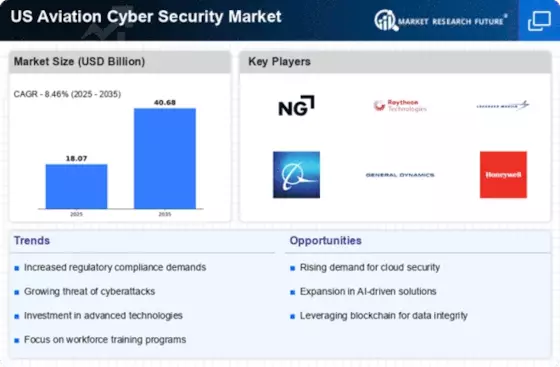
The US Aviation Cyber Security Market is currently experiencing a heightened threat landscape, with cyberattacks becoming increasingly sophisticated and frequent. The aviation sector, which includes airlines, airports, and air traffic control systems, is particularly vulnerable due to its reliance on interconnected technologies. According to the Federal Aviation Administration (FAA), the number of reported cyber incidents in the aviation sector has risen significantly, prompting a reevaluation of existing security measures. This evolving threat environment necessitates the implementation of robust cybersecurity protocols, thereby driving demand for advanced security solutions. As organizations strive to protect sensitive data and ensure operational continuity, investments in cybersecurity technologies are expected to surge, reflecting a growing recognition of the importance of safeguarding aviation infrastructure.
Regulatory Compliance Requirements
The US Aviation Cyber Security Market is heavily influenced by stringent regulatory compliance requirements imposed by government agencies. The FAA and the Department of Homeland Security (DHS) have established comprehensive guidelines aimed at enhancing cybersecurity resilience within the aviation sector. These regulations mandate that airlines and airports adopt specific cybersecurity measures to protect critical infrastructure from cyber threats. As a result, organizations are compelled to invest in cybersecurity solutions to meet compliance standards, which in turn drives market growth. The increasing focus on regulatory compliance not only ensures the safety of passengers and cargo but also fosters a culture of accountability within the industry, further emphasizing the need for robust cybersecurity frameworks.
Public Awareness and Demand for Security
The US Aviation Cyber Security Market is experiencing a shift in public awareness regarding cybersecurity issues. As high-profile cyber incidents gain media attention, passengers and stakeholders are becoming increasingly concerned about the safety of their data and the integrity of aviation systems. This heightened awareness is driving demand for enhanced cybersecurity measures within the aviation sector. Airlines and airports are responding by prioritizing cybersecurity initiatives and communicating their efforts to reassure customers. The growing expectation for transparency and accountability in cybersecurity practices is likely to influence investment decisions and shape the future landscape of the aviation cybersecurity market. As public demand for security continues to rise, organizations are compelled to adopt more rigorous cybersecurity protocols to maintain trust and confidence.
Collaboration Between Industry and Government
The US Aviation Cyber Security Market is benefiting from increased collaboration between industry stakeholders and government entities. This partnership is essential for addressing the complex challenges posed by cyber threats in the aviation sector. Government agencies, such as the FAA and DHS, are working closely with airlines, airports, and technology providers to develop comprehensive cybersecurity strategies and share best practices. This collaborative approach not only enhances the overall security posture of the aviation industry but also fosters innovation in cybersecurity solutions. By leveraging resources and expertise from both the public and private sectors, the aviation industry is better equipped to respond to emerging threats and ensure the safety of its operations. This synergy is likely to drive further advancements in cybersecurity technologies and practices.
Growing Investment in Cybersecurity Technologies
The US Aviation Cyber Security Market is witnessing a surge in investment in cybersecurity technologies as stakeholders recognize the critical need for enhanced protection against cyber threats. According to the National Institute of Standards and Technology (NIST), the aviation sector is projected to allocate a significant portion of its IT budgets towards cybersecurity initiatives in the coming years. This trend is driven by the increasing complexity of cyber threats and the potential financial repercussions of data breaches. Organizations are exploring advanced technologies such as artificial intelligence, machine learning, and blockchain to bolster their cybersecurity defenses. This growing investment not only enhances the overall security posture of the aviation sector but also stimulates innovation within the cybersecurity market, leading to the development of more effective solutions.