Cost-Effectiveness
Cost-effectiveness is a vital driver for the Unplasticized Polyvinyl Chloride Windows Market. uPVC windows are often more affordable compared to alternatives such as wood or aluminum, making them an attractive option for budget-conscious consumers. The lower initial investment, combined with the long-term savings on energy bills due to their insulating properties, enhances their appeal. Furthermore, the maintenance-free nature of uPVC windows, which do not require painting or sealing, contributes to their cost-effectiveness over time. As the construction industry continues to seek economical solutions without compromising quality, the demand for uPVC windows is likely to rise. This trend positions the Unplasticized Polyvinyl Chloride Windows Market favorably in a competitive landscape, where cost considerations are paramount.
Regulatory Influence
Regulatory influence is a significant driver impacting the Unplasticized Polyvinyl Chloride Windows Market. Governments worldwide are implementing stringent building codes and energy efficiency standards that favor the use of uPVC windows. These regulations often mandate the use of materials that meet specific thermal performance criteria, thereby promoting the adoption of energy-efficient solutions. For instance, in several regions, building regulations require windows to achieve a minimum energy rating, which uPVC windows can readily fulfill. This regulatory push not only encourages manufacturers to innovate but also drives consumers towards selecting uPVC windows for their properties. Consequently, the Unplasticized Polyvinyl Chloride Windows Market is expected to expand as compliance with these regulations becomes increasingly critical for builders and homeowners alike.
Sustainability Focus
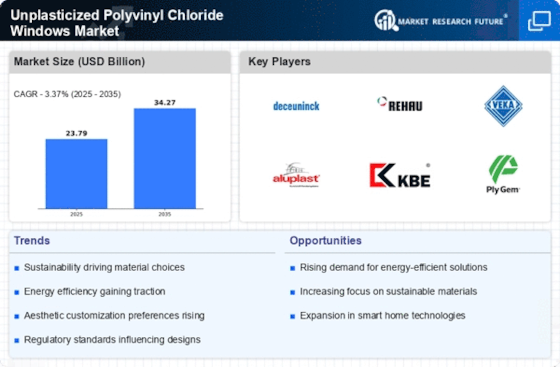
The increasing emphasis on sustainability is a pivotal driver for the Unplasticized Polyvinyl Chloride Windows Market. As consumers and builders alike prioritize eco-friendly materials, unplasticized polyvinyl chloride (uPVC) windows emerge as a favorable option due to their energy efficiency and recyclability. The market for uPVC windows is projected to grow, with estimates suggesting a compound annual growth rate of around 5% over the next few years. This growth is largely attributed to the rising demand for sustainable building practices and energy-efficient solutions in residential and commercial construction. Furthermore, uPVC windows contribute to reduced energy consumption, aligning with global efforts to combat climate change. As such, the sustainability focus not only enhances the appeal of uPVC windows but also positions the Unplasticized Polyvinyl Chloride Windows Market as a key player in the green building movement.
Aesthetic Versatility
Aesthetic versatility serves as a compelling driver for the Unplasticized Polyvinyl Chloride Windows Market. uPVC windows are available in a wide range of colors, styles, and finishes, allowing homeowners and builders to customize their designs according to personal preferences and architectural requirements. This adaptability not only enhances the visual appeal of properties but also enables uPVC windows to compete effectively with traditional materials. The ability to mimic the appearance of wood or other materials without the associated maintenance issues further broadens their market appeal. As design trends evolve, the Unplasticized Polyvinyl Chloride Windows Market is likely to benefit from the increasing demand for aesthetically pleasing and functional window solutions that cater to diverse consumer tastes.
Technological Advancements
Technological advancements play a crucial role in shaping the Unplasticized Polyvinyl Chloride Windows Market. Innovations in manufacturing processes and materials have led to the development of uPVC windows that offer enhanced durability, thermal insulation, and aesthetic appeal. For instance, the introduction of multi-chambered profiles has improved energy efficiency, making these windows more attractive to consumers. Additionally, advancements in window design and customization options have expanded the market reach, catering to diverse consumer preferences. The integration of smart technologies, such as automated opening and closing mechanisms, further enhances the functionality of uPVC windows. As a result, the Unplasticized Polyvinyl Chloride Windows Market is likely to witness increased demand driven by these technological improvements, which not only meet consumer expectations but also comply with stringent energy efficiency regulations.