Rising Birth Rates in Certain Regions
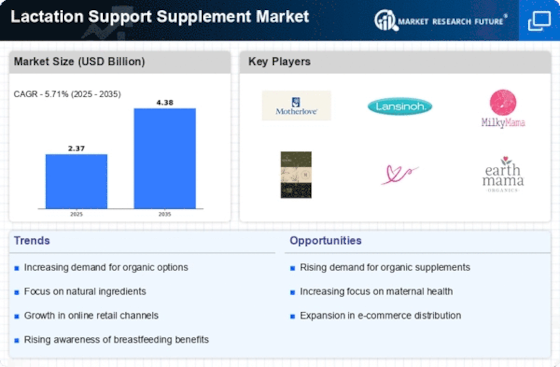
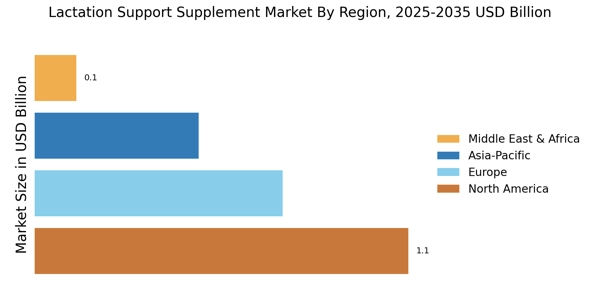
The Lactation Support Supplement Market is influenced by fluctuating birth rates in various regions. In certain areas, birth rates have shown a notable increase, leading to a higher number of new mothers seeking lactation support. This demographic shift creates a larger consumer base for lactation supplements. For instance, regions with a 5% increase in birth rates over the past few years are likely to see a corresponding rise in demand for lactation products. This trend suggests that manufacturers may need to adapt their marketing strategies to cater to the unique needs of these emerging markets. Consequently, the Lactation Support Supplement Market is expected to expand as more mothers seek effective solutions for breastfeeding challenges.
Increasing Awareness of Maternal Health
The Lactation Support Supplement Market is experiencing a surge in awareness regarding maternal health. As more women prioritize their health during and after pregnancy, the demand for supplements that support lactation is likely to rise. Educational campaigns and healthcare provider recommendations are contributing to this trend. According to recent data, nearly 80% of new mothers express a desire for guidance on lactation, indicating a substantial market opportunity. This heightened awareness is not only fostering a culture of health-consciousness among mothers but also encouraging manufacturers to innovate and diversify their product offerings. As a result, the Lactation Support Supplement Market is poised for growth, driven by informed consumer choices and a commitment to maternal well-being.
Growing Interest in Holistic Health Approaches
The Lactation Support Supplement Market is benefiting from a growing interest in holistic health approaches among consumers. Many new mothers are increasingly inclined to seek natural and organic products that align with their health philosophies. This trend is reflected in the rising sales of lactation supplements that emphasize plant-based ingredients and holistic benefits. Data indicates that products marketed as organic or natural have seen a 30% increase in sales over the past year. This shift towards holistic health not only influences purchasing decisions but also encourages manufacturers to innovate and create products that resonate with health-conscious consumers. As a result, the Lactation Support Supplement Market is likely to thrive in an environment that values natural wellness.
Regulatory Support for Nutritional Supplements
The Lactation Support Supplement Market is also shaped by regulatory support for nutritional supplements. Governments and health organizations are increasingly recognizing the importance of nutritional support during lactation, leading to favorable regulations that encourage the development and marketing of lactation supplements. This regulatory environment not only enhances consumer confidence but also incentivizes manufacturers to invest in research and development. Data shows that regions with supportive regulatory frameworks have experienced a 20% growth in the lactation supplement sector. As regulations evolve to support maternal health initiatives, the Lactation Support Supplement Market is likely to benefit from increased legitimacy and consumer trust.
Influence of Social Media and Online Communities
The Lactation Support Supplement Market is significantly impacted by the influence of social media and online communities. Platforms such as Instagram and Facebook have become vital spaces for mothers to share experiences and recommendations regarding lactation. This digital word-of-mouth marketing can drive substantial interest in lactation supplements. Recent surveys indicate that over 60% of mothers rely on social media for parenting advice, which includes lactation support. As these online communities continue to grow, they create a fertile ground for brands to engage with consumers directly. This trend suggests that the Lactation Support Supplement Market may see increased sales as brands leverage social media to build trust and foster community among new mothers.