×
Request Free Sample ×

Kindly complete the form below to receive a free sample of this Report

* Please use a valid business email

Leading companies partner with us for data-driven Insights

clients tt-cursor
Hero Background
English
Chinese
French
Japanese
Korean
German
Spanish

Food Anti-Caking Agents Market Share

ID: MRFR/FnB/3173-HCR
110 Pages
Pradeep Nandi
October 2025

Food Anti-Caking Agents Market Size, Share, Industry Trend & Analysis Global Information by Type (Calcium Compounds, Sodium Compounds, Magnesium Compounds, Microcrystalline Cellulose Compounds and others), Application (Bakery Products, Dairy Products, Soups And Sauces, Seasonings and Condiments and others) and Region Forecast till 2035

Share:
Download PDF ×

We do not share your information with anyone. However, we may send you emails based on your report interest from time to time. You may contact us at any time to opt-out.

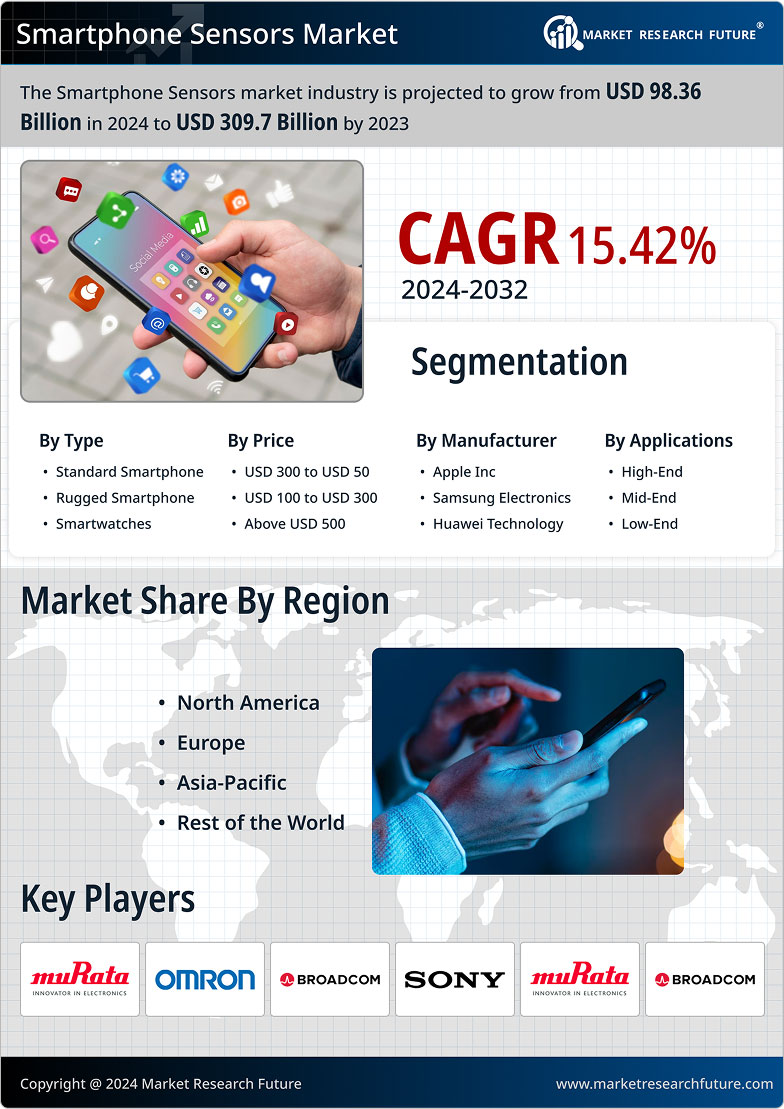
Food Anti-Caking Agents Market Infographic
Purchase Options

Market Share

Food Anti-Caking Agents Market Share Analysis

Food Anti-Caking Agents Market which is an integral part of the food industry, utilizes different strategies, both to position and to gain an edge over the competition. Another popular approach applied is differentiation, where companies emphasize unique features or benefits of their anti-caking agents. This can happen in very different ways and may focus on the production using natural ingredients, displaying some health benefits or it can promote some innovative processes. One of the main goals is to stand out from the other brands, in other words, those brand features that pull or put off consumers are being emphasized.

While some competitors of the Market for Food Anti-Caking Agents try to make their goods lower in cost than those produced by competitors, the others compete with regard to high quality of the prepared goods rather than the cost per se. This includes getting optimal production processes, minimizing the spending on raw materials by getting the ones that are cheap and achieving the economy of scale. The companies can achieve this objective by positioning themselves as lower-cost players so that they can attract consumers who are shopping based on affordability and capture a big piece of the market share.

Additionally, other strategy deployed is market specialization. Some food companies do business with only particular segments, addressing the corresponding areas of the industry. To illustrate they could work in anti-caking agents that is specially designed for gluten-free products or those that is produced for organic products. The reason this specialization is so important to enterprise is because native knowledge of the market gives an opportunity to speak the hidden customer`s language thus build up the competitive advantage.

Partnerships and strategic alliances are seen in a vital space for increasing market share positions. Companies may consider collaborating with food manufacturers, retailers or the institutions of research to enhance the product variety and product exposure. Collaboration with other players in the industry allows companies to build networks of their partner's strengths and resources, which, then can improve their status in the market. Innovation remains beneficial and essential for the Food Anticaking Agents Market. Another approach involves constant product development, as companies formulate new line-up that satisfy changing consumer taste and government schemes. Investing in research may enable firms to develop products not only made of improved performance level, more stable variability or longer lifespan.

Author
Pradeep Nandi
Senior Research Analyst

I have a bachelor's degree in mechanical engineering and an MBA. I have more than two years of expertise in the retail, food, and beverage, chemical, and material industries, and hence have developed a sound cross-domain expertise. A firm believer in lifelong learning and sharing of knowledge. Having a proclivity for hatching ideas and trying to absorb as much information as possible in a short amount of time. Introducing corporates to the data and insight, which enables them to move from probability to possibility, has been my key areas of interest. 

Leave a Comment

FAQs

What is one of the biggest growth propellers of the global food anti-caking agents market?

Consumption of packaged foods is one of the biggest growth propellers of the global food anti-caking agents market.

What are restraints faced by the global food anti-caking agents market?

Adverse effects associated with the consumption of these agents can hamper the growth of the global food anti-caking agents market.

Which application can command the highest demand in the global food anti-caking agents market?

Soups and sauces can capture the largest demand share in the global food anti-caking agents market till 2032.

Which region can dominate the global food anti-caking agents market?

Europe can dominate the global food anti-caking agents market.

Name the key players of the global food anti-caking agents market.

Agropur MSI, LLC, PPG Industries, Brenntag, Univar Inc., Solvay S., Evonik Industries, and International Media and Cultures, Inc. are major players of the global food anti-caking agents market.

Market Summary

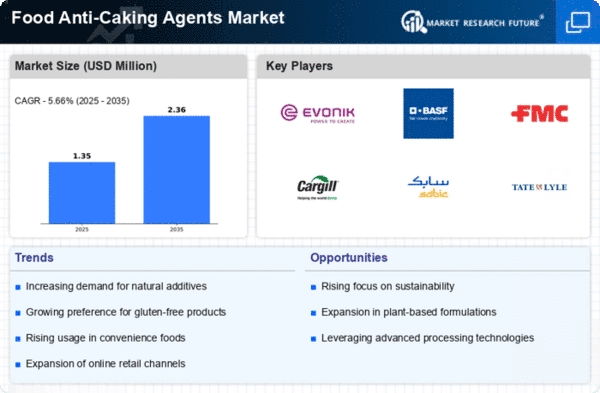
As per MRFR analysis, the Food Anti-Caking Agents Market was estimated at 1.28 USD Million in 2024. The Food Anti-Caking Agents industry is projected to grow from 1.37 in 2025 to 2.36 by 2035, exhibiting a compound annual growth rate (CAGR) of 5.66 during the forecast period 2025 - 2035.

Key Market Trends & Highlights

The Food Anti-Caking Agents Market is experiencing a dynamic shift towards natural ingredients and convenience foods.

  • The North American region remains the largest market for food anti-caking agents, driven by high consumption of processed foods.
  • In contrast, the Asia-Pacific region is the fastest-growing market, reflecting increasing urbanization and changing dietary habits.
  • Dairy products represent the largest segment, while baking products are emerging as the fastest-growing segment in this market.
  • Key market drivers include the rising demand for processed foods and technological advancements in food processing.

Market Size & Forecast

2024 Market Size 1.28 (USD Million)
2035 Market Size 2.36 (USD Million)
CAGR (2025 - 2035) 5.66%
Largest Regional Market Share in 2024 North America

Major Players

<p>Evonik Industries (DE), BASF (DE), FMC Corporation (US), Cargill (US), SABIC (SA), Tate & Lyle (GB), Archer Daniels Midland Company (US), Kerry Group (IE), Ingredion Incorporated (US)</p>

Market Trends

The Food Anti-Caking Agents Market is currently experiencing notable developments driven by various factors. The increasing demand for processed foods, coupled with the need for improved product quality, has led to a rise in the utilization of anti-caking agents. These substances play a crucial role in preventing clumping, ensuring that food products maintain their desired texture and flowability. As consumers become more health-conscious, manufacturers are exploring natural alternatives to synthetic agents, which may influence market dynamics. Furthermore, regulatory frameworks are evolving, prompting companies to adapt their formulations to comply with safety standards while meeting consumer preferences. In addition, the Food Anti-Caking Agents Market appears to be influenced by the growing trend of convenience foods. As lifestyles become busier, the demand for ready-to-eat and easy-to-prepare meals is on the rise. This shift is likely to drive innovation in anti-caking solutions, as manufacturers seek to enhance the shelf life and quality of their products. Moreover, the expansion of e-commerce platforms is facilitating greater access to a variety of food products, which may further stimulate the market. Overall, the Food Anti-Caking Agents Market is poised for growth, with opportunities emerging from changing consumer behaviors and advancements in food technology.

Shift Towards Natural Ingredients

There is a discernible trend towards the use of natural anti-caking agents in the Food Anti-Caking Agents Market. As consumers increasingly prioritize health and wellness, manufacturers are responding by incorporating plant-based and organic alternatives. This shift not only aligns with consumer preferences but also addresses concerns regarding synthetic additives.

Rising Demand for Convenience Foods

The growing inclination towards convenience foods is significantly impacting the Food Anti-Caking Agents Market. As busy lifestyles drive consumers to seek quick meal solutions, the need for products that maintain quality and texture becomes paramount. This trend is likely to encourage innovation in anti-caking formulations.

Regulatory Compliance and Safety Standards

The Food Anti-Caking Agents Market is also shaped by evolving regulatory frameworks. Companies are compelled to adapt their formulations to meet stringent safety standards, which may lead to the development of new products. Compliance with regulations not only ensures consumer safety but also enhances brand reputation.

Food Anti-Caking Agents Market Market Drivers

Market Growth Projections

The Global Food Anti-Caking Agents Market Industry is projected to experience substantial growth over the next decade. With a market value expected to reach 693.6 USD Million in 2024 and further escalate to 1613.3 USD Million by 2035, the industry is poised for a robust expansion. This growth trajectory indicates a compound annual growth rate of 7.98% from 2025 to 2035, reflecting the increasing adoption of anti-caking agents across various food sectors. The market dynamics are influenced by factors such as rising consumer demand for processed foods, technological advancements, and regulatory support for food safety.

Expansion of the Food Industry

The Global Food Anti-Caking Agents Market Industry is significantly influenced by the expansion of the food industry, particularly in emerging economies. As urbanization increases, there is a notable shift towards packaged and convenience foods. This trend necessitates the use of anti-caking agents to maintain product integrity during storage and transportation. For instance, the growing popularity of instant noodles and powdered seasonings has led to a higher demand for effective anti-caking solutions. Consequently, the market is expected to grow substantially, with projections indicating a rise to 1613.3 USD Million by 2035, driven by this expansion.

Rising Demand for Processed Foods

The Global Food Anti-Caking Agents Market Industry is experiencing a surge in demand due to the increasing consumption of processed foods. As consumers seek convenience, manufacturers are incorporating anti-caking agents to enhance the texture and shelf-life of products. This trend is particularly evident in the dairy and baking sectors, where anti-caking agents prevent clumping and ensure consistent quality. The market is projected to reach 693.6 USD Million in 2024, reflecting the growing reliance on processed food products. This demand is likely to drive innovation in anti-caking formulations, further propelling market growth.

Regulatory Support for Food Safety

Regulatory support for food safety is a significant driver of the Global Food Anti-Caking Agents Market Industry. Governments worldwide are implementing stringent regulations to ensure food quality and safety, which often necessitates the use of anti-caking agents in various food products. For instance, the approval of specific anti-caking agents by food safety authorities encourages manufacturers to adopt these additives to comply with safety standards. This regulatory framework not only enhances consumer confidence but also stimulates market growth as manufacturers seek to meet compliance requirements. The ongoing evolution of food safety regulations is likely to further influence market dynamics.

Consumer Awareness and Health Trends

Consumer awareness regarding food quality and health trends is increasingly impacting the Global Food Anti-Caking Agents Market Industry. As consumers become more informed about food additives, there is a growing preference for natural and organic anti-caking agents. This shift is prompting manufacturers to reformulate products to meet consumer expectations for healthier options. The rise of health-conscious consumers is leading to a demand for transparency in ingredient sourcing and formulation. Consequently, companies are investing in research and development to create innovative anti-caking solutions that align with these health trends, thereby driving market growth.

Technological Advancements in Food Processing

Technological advancements in food processing are playing a crucial role in shaping the Global Food Anti-Caking Agents Market Industry. Innovations in food technology enable the development of more efficient and effective anti-caking agents, which can enhance product quality and safety. For example, the introduction of natural anti-caking agents derived from plant sources is gaining traction among health-conscious consumers. These advancements not only improve the performance of food products but also align with the growing trend towards clean label products. As a result, the market is likely to witness a compound annual growth rate of 7.98% from 2025 to 2035.

Market Segment Insights

By Application: Dairy Products (Largest) vs. Baking Products (Fastest-Growing)

<p>In the Food Anti-Caking Agents Market, the application segments exhibit a distinct distribution of market share. Dairy products hold a significant portion of the market, driven by their high dependency on anti-caking agents to maintain quality and texture. Conversely, baking products are witnessing a surge in demand, showcasing increasing popularity due to innovations in baking technologies and the rising trend of home baking.</p>

<p>Dairy Products (Dominant) vs. Baking Products (Emerging)</p>

<p>Dairy products are currently the dominant application in the Food Anti-Caking Agents Market, primarily due to their sensitivity to moisture and the essential role that anti-caking agents play in preserving product quality during processing and storage. Ingredients like sodium aluminosilicate and calcium silicate are widely utilized to prevent clumping in cheese, powdered milk, and other dairy items. Meanwhile, baking products represent an emerging segment, fueled by the growing interest in artisanal and homemade goods. The increasing consumer inclination towards healthier alternatives is guiding the development of anti-caking agents tailored for gluten-free and organic baking products. This dual trend highlights the evolving landscape of the market, where both segments are critical to growth.</p>

By Type: Silicates (Largest) vs. Starch (Fastest-Growing)

<p>In the Food Anti-Caking Agents Market, silicates hold the largest market share, mainly due to their widespread use in various food products to prevent clumping and ensure smooth textures. Phosphates and carbonates follow as significant contributors, offering unique functionalities in food preservation and stability. Talc and starch are also utilized; however, their market presence is comparatively smaller, focusing on specific applications in certain food segments.</p>

<p>Silicates (Dominant) vs. Starch (Emerging)</p>

<p>Silicates dominate the Food Anti-Caking Agents Market due to their effectiveness in moisture absorption and creating free-flowing granules, making them a preferred choice among manufacturers. They play a crucial role in products like powdered milk and spices, ensuring quality and consistency. In contrast, starch is emerging as a popular anti-caking agent, especially in gluten-free and clean-label products. Its natural origin and consumer-friendly appeal are driving its adoption in the market. As food safety and ingredient transparency trends grow, starch is poised to gain a larger market share.</p>

By Form: Powder (Largest) vs. Granular (Fastest-Growing)

<p>In the Food Anti-Caking Agents Market, the form segment consists of three primary types: Powder, Granular, and Liquid. Among these, the Powder form holds the largest market share due to its widespread application in various food products, ensuring consistency and enhancing shelf life. The Granular form, while smaller in overall share, is rapidly gaining traction as manufacturers seek innovative solutions for moisture control and clumping prevention, paving the way for its increased presence in the market.</p>

<p>Powder (Dominant) vs. Granular (Emerging)</p>

<p>The Powder form of food anti-caking agents is characterized by its ability to blend seamlessly with various dry food components, providing excellent flowability and preventing clumping. This makes it a dominant choice in industries, ranging from baking to powdered seasonings. In contrast, the Granular form presents a new and emerging solution, particularly favored for its ease of handling and effective moisture absorption. Granular agents are increasingly utilized in bulk food processing, where reducing dust and improving handling efficiency are crucial. As manufacturers prioritize performance and convenience, both forms are poised to shape the future landscape of food anti-caking solutions.</p>

By End Use: Food Industry (Largest) vs. Beverage Industry (Fastest-Growing)

<p>The Food Anti-Caking Agents market is primarily dominated by the Food Industry, which accounts for the largest share of the segment. Various applications in food processing, including powdered sugars, spices, and dairy products, leverage anti-caking agents to maintain quality and prevent clumping. This segment's robust growth is attributed to the rising demand for processed food and convenience products, leading manufacturers to seek effective anti-caking solutions to enhance product performance. On the other hand, the Beverage Industry is emerging as the fastest-growing segment in the Food Anti-Caking Agents market. As beverage formulations increasingly utilize powdered ingredients, the need for anti-caking agents to ensure product consistency and quality has grown significantly. This trend is driven by the demand for instant beverages and powdered drink mixes, prompting manufacturers to innovate and introduce specialized anti-caking formulations to cater to evolving consumer preferences.</p>

<p>Food Industry: Dominant vs. Beverage Industry: Emerging</p>

<p>The Food Industry's reliance on anti-caking agents is primarily driven by the need for enhanced product quality and extended shelf life. Companies focus on improving the texture and flowability of food powders, utilizing a range of agents that not only prevent clumping but also enhance taste and appearance. This segment sees the highest utilization of ingredients such as silicon dioxide and calcium salts, contributing to its dominant market position. In contrast, the Beverage Industry represents an emerging sector, characterized by rapid innovation and a shift towards convenience among consumers. The increasing popularity of instant and powdered beverage mixes drives demand for effective anti-caking agents, prompting investment in R&D to develop products that enhance solubility and maintain freshness.</p>

Get more detailed insights about Food Anti-Caking Agents Market Research Report- Forecast till 2035

Regional Insights

Key Players and Competitive Insights

The Food Anti-Caking Agents Market is characterized by a competitive landscape that is increasingly shaped by innovation, sustainability, and strategic partnerships. Key players such as Evonik Industries (DE), BASF (DE), and Cargill (US) are actively pursuing strategies that emphasize product development and regional expansion. For instance, Evonik Industries (DE) has focused on enhancing its portfolio of anti-caking agents through innovative formulations that cater to the growing demand for clean-label products. This strategic positioning not only strengthens its market presence but also aligns with consumer preferences for transparency and health-conscious ingredients.

In terms of business tactics, companies are localizing manufacturing and optimizing supply chains to enhance efficiency and responsiveness to market demands. The competitive structure of the market appears moderately fragmented, with several players vying for market share. However, the collective influence of major companies like BASF (DE) and Cargill (US) suggests a trend towards consolidation, as these firms leverage their extensive resources to gain competitive advantages.

In November 2025, BASF (DE) announced the launch of a new line of anti-caking agents derived from renewable sources, which underscores its commitment to sustainability. This strategic move not only positions BASF as a leader in eco-friendly solutions but also responds to the increasing regulatory pressures and consumer demand for sustainable products. The introduction of these agents is likely to enhance BASF's competitive edge in a market that is progressively leaning towards environmentally responsible practices.

In October 2025, Cargill (US) expanded its production capabilities by investing in a new facility dedicated to the manufacturing of anti-caking agents in North America. This expansion is significant as it allows Cargill to better serve its regional customers while also reducing lead times and transportation costs. Such operational enhancements are crucial in a market where supply chain reliability is becoming a key differentiator.

Kerry Group (IE) has also made strides in the market; in September 2025, it entered into a strategic partnership with a leading food manufacturer to co-develop innovative anti-caking solutions tailored for specific applications. This collaboration not only enhances Kerry's product offerings but also reflects a broader trend of companies seeking synergies to drive innovation and meet evolving consumer needs.

As of December 2025, the competitive trends in the Food Anti-Caking Agents Market are increasingly defined by digitalization, sustainability, and the integration of advanced technologies such as AI. Strategic alliances are becoming pivotal in shaping the landscape, as companies recognize the value of collaboration in fostering innovation. Looking ahead, the competitive differentiation is likely to evolve from traditional price-based competition towards a focus on innovation, technological advancements, and supply chain reliability, indicating a transformative shift in how companies position themselves in the market.

Key Companies in the Food Anti-Caking Agents Market include

Industry Developments

In July 2019, Solvay reported an extension at its hydrogen peroxide plant in Jemeppe-sur-Sambre (Belgium), permitting an increment of hydrogen peroxide creation. These ventures satisfy the developing item need in Europe, in existing and new applications.


Future Outlook

Food Anti-Caking Agents Market Future Outlook

<p>The Food Anti-Caking Agents Market is projected to grow at a 5.66% CAGR from 2024 to 2035, driven by increasing demand for processed foods and innovations in food technology.</p>

New opportunities lie in:

  • <p>Development of plant-based anti-caking agents for health-conscious consumers.</p>
  • <p>Expansion into emerging markets with tailored product offerings.</p>
  • <p>Investment in R&D for sustainable and eco-friendly anti-caking solutions.</p>

<p>By 2035, the market is expected to achieve robust growth, reflecting evolving consumer preferences and technological advancements.</p>

Market Segmentation

Food Anti-Caking Agents Market Form Outlook

  • Powder
  • Granular
  • Liquid

Food Anti-Caking Agents Market Type Outlook

  • Silicates
  • Phosphates
  • Carbonates
  • Talc
  • Starch

Food Anti-Caking Agents Market End Use Outlook

  • Food Industry
  • Beverage Industry
  • Pharmaceutical Industry
  • Cosmetics Industry

Food Anti-Caking Agents Market Application Outlook

  • Dairy Products
  • Baking Products
  • Seasonings
  • Sauces
  • Processed Foods

Report Scope

MARKET SIZE 20241.28(USD Million)
MARKET SIZE 20251.37(USD Million)
MARKET SIZE 20352.36(USD Million)
COMPOUND ANNUAL GROWTH RATE (CAGR)5.66% (2024 - 2035)
REPORT COVERAGERevenue Forecast, Competitive Landscape, Growth Factors, and Trends
BASE YEAR2024
Market Forecast Period2025 - 2035
Historical Data2019 - 2024
Market Forecast UnitsUSD Million
Key Companies ProfiledEvonik Industries (DE), BASF (DE), FMC Corporation (US), Cargill (US), SABIC (SA), Tate & Lyle (GB), Archer Daniels Midland Company (US), Kerry Group (IE), Ingredion Incorporated (US)
Segments CoveredApplication, Type, Form, End Use
Key Market OpportunitiesGrowing demand for clean-label products drives innovation in Food Anti-Caking Agents Market formulations.
Key Market DynamicsRising demand for natural food anti-caking agents driven by consumer preference for clean label products and health consciousness.
Countries CoveredNorth America, Europe, APAC, South America, MEA

FAQs

What is one of the biggest growth propellers of the global food anti-caking agents market?

Consumption of packaged foods is one of the biggest growth propellers of the global food anti-caking agents market.

What are restraints faced by the global food anti-caking agents market?

Adverse effects associated with the consumption of these agents can hamper the growth of the global food anti-caking agents market.

Which application can command the highest demand in the global food anti-caking agents market?

Soups and sauces can capture the largest demand share in the global food anti-caking agents market till 2032.

Which region can dominate the global food anti-caking agents market?

Europe can dominate the global food anti-caking agents market.

Name the key players of the global food anti-caking agents market.

Agropur MSI, LLC, PPG Industries, Brenntag, Univar Inc., Solvay S., Evonik Industries, and International Media and Cultures, Inc. are major players of the global food anti-caking agents market.

  1. Research Methodology
  2. Initial Data Exploration
  3. Statistical Modelling and Forecast
  4. Industry Insights and Validation
    1. Data Sources
    2. Food Anti-caking Agents Industry Market Synopsis, 2024-2032
      1. Business Trends
      2. Product Type Trends
    3. Industry Segmentation
    4. Industry Size and Forecast
    5. Industry Ecosystem Analysis
    6. Industry Impact forces
      1. Growth Drivers
      2. Industry Pitfalls & Challenges
    7. Growth Potential Analysis
    8. Company Market Share Analysis, 2024
    9. Porter’s Analysis
    10. PESTEL Analysis
    11. Global Food Anti-caking Agents Market Volume Share by Type, 2024-2032
      1. Calcium Compounds
      2. Sodium Compounds
      3. Magnesium Compounds
      4. Microcrystalline Cellulose Compounds
      5. Others
    12. Global Food Anti-caking Agents Market Volume Share by Application, 2024 & 2032
      1. Bakery Products
      2. Dairy Products
      3. Soups and Sauces
      4. Seasonings and Condiments
      5. Others
    13. Food Anti-caking Agents Market Volume Share by Region, 2024 & 2032.
    14. North America
    15. A Market Estimates & Forecast, 2024-2032
    16. B Market Estimates & Forecast, by Type, 2024-2032
    17. C Market Estimates & Forecast, by Application, 2024-2032
      1. U.S.
      2. Canada
      3. Mexico
    18. Europe
      1. Germany
      2. UK
      3. France
      4. Italy
    19. Asia Pacific
    20. A Market Estimates & Forecast, 2024-2032
    21. B Market Estimates & Forecast, by Type, 2024-2032
    22. C Market Estimates & Forecast, by Application, 2024-2032
      1. China
      2. India
      3. Japan
    23. RoW
    24. A Market Estimates & Forecast, 2024-2032
    25. B Market Estimates & Forecast, by Type, 2024-2032
    26. C Market Estimates & Forecast, by Application, 2024-2032
    27. Solvay S.A. (Belgium)
      1. Business Overview
      2. Financial Data
      3. Product Landscape
      4. Key Developments
      5. Business Strategy
      6. SWOT Analysis
    28. Evonik Industries (Germany)
      1. Business Overview
      2. Financial Data
      3. Product Landscape
      4. Key Developments
      5. Business Strategy
      6. SWOT Analysis
    29. Agropur MSI, LLC (the U.S.)
      1. Business Overview
      2. Financial Data
      3. Product Landscape
      4. Key Developments
      5. Business Strategy
      6. SWOT Analysis
    30. Univar Inc. (the U.S.)
      1. Business Overview
      2. Financial Data
      3. Product Landscape
      4. Key Developments
      5. Business Strategy
      6. SWOT Analysis
    31. Brenntag (Germany)
      1. Business Overview
      2. Financial Data
      3. Product Landscape
      4. Key Developments
      5. Business Strategy
      6. SWOT Analysis
    32. PPG Industries (the U.S.)
      1. Business Overview
      2. Financial Data
      3. Product Landscape
      4. Key Developments
      5. Business Strategy
      6. SWOT Analysis
    33. International Media and Cultures, Inc. (the U.S.)
      1. Business Overview
      2. Financial Data
      3. Product Landscape
      4. Key Developments
      5. Business Strategy
      6. SWOT Analysis
  5. PESTLE ANALYSIS – U.S.
  6. PESTLE ANALYSIS- CANADA
  7. PESTLE ANALYSIS- CHINA
  8. PESTLE ANALYSIS- FRANCE
  9. PESTLE ANALYSIS- U.K.
  10. KEY SUPPLIERS OF FOOD ANTI-CAKING AGENTS
  11. GLOBAL MARKET FOR FOOD ANTI-CAKING AGENTS, BY TYPE, (2024-2032), USD MILLION
  12. GLOBAL MARKET FOR FOOD ANTI-CAKING AGENTS, BY APPLICATION, (2024-2032), USD MILLION
  13. GLOBAL FOOD ANTI-CAKING AGENTS SALES AND GROWTH RATE (2024-2032) USD MILLION
  14. GLOBAL MARKET FOR FOOD ANTI-CAKING AGENTS TOP 5 COUNTRIES
  15. GLOBAL MARKET FOR FOOD ANTI-CAKING AGENTS TOP COMPANIES-USD MILLION
  16. NORTH AMERICAN MARKET FOR FOOD ANTI-CAKING AGENTS, BY TYPE, (2024-2032) USD MILLION
  17. NORTH AMERICAN MARKET FOR FOOD ANTI-CAKING AGENTS, BY APPLICATION, (2024-2032), USD MILLION
  18. EUROPEAN MARKET FOR FOOD ANTI-CAKING AGENTS, BY TYPE, (2024-2032) USD MILLION
  19. EUROPEAN MARKET FOR FOOD ANTI-CAKING AGENTS, BY APPLICATION, (2024-2032), USD MILLION
  20. APAC MARKET FOR FOOD ANTI-CAKING AGENTS, BY TYPE, (2024-2032) USD MILLION
  21. APAC MARKET FOR FOOD ANTI-CAKING AGENTS, BY APPLICATION, (2024-2032), USD MILLION
  22. REST OF THE WORLD MARKET FOR FOOD ANTI-CAKING AGENTS, BY TYPE, (2024-2032) USD MILLION
  23. REST OF THE WORLD MARKET FOR FOOD ANTI-CAKING AGENTS, BY APPLICATION, (2024-2032), USD MILLION
  24. COMPETITIVE LANDSCAPING BASED ON FINACIALS DURING THE YEAR 2024 
    1. Charts & Figures
  25. LIST OF FIGURES
  26. RESEARCH METHODOLOGY
  27. PRIMARY DATA ANALYSIS APPROACH
  28. SECONDARY DATA ANALYSIS APPROACH
  29. TRENDS IN FOOD ANTI-CAKING AGENTS IMPORTS 2024
  30. GROWTH RATE IN FOOD ANTI-CAKING AGENTS IMPORTS 2024
  31. FOOD ANTI-CAKING AGENTS IMPORTS MARKET SHARE BY TOP 5 IMPORTERS (2024 VS 2032)
  32. TRENDS IN FOOD ANTI-CAKING AGENTS EXPORTS 2024
  33. GROWTH RATE FOOD ANTI-CAKING AGENTS EXPORTS 2024
  34. FOOD ANTI-CAKING AGENTS EXPORTS MARKET SHARE BY TOP 5 EXPORTERS (2024 VS 2032)
  35. VALUE CHAIN ANALYSIS
  36. COST ANALYSIS: FOOD ANTI-CAKING AGENTS
  37. PORTER’S FIVE FORCES ANALYSIS
  38. GLOBAL MARKET FOR FOOD ANTI-CAKING AGENTS TRENDS BY TYPE
  39. GLOBAL MARKET FOR FOOD ANTI-CAKING AGENTS TRENDS BY APPLICATION
  40. FINANCIALS

Food Anti-Caking Agents Market Segmentation

Market Segmentation Overview

  • Detailed segmentation data will be available in the full report
  • Comprehensive analysis by multiple parameters
  • Regional and country-level breakdowns
  • Market size forecasts by segment
Infographic

Free Sample Request

Kindly complete the form below to receive a free sample of this Report

Get Free Sample

Customer Strories

Compare Licence

×
Features License Type
Single User Multiuser License Enterprise User
Price $4,950 $5,950 $7,250
Maximum User Access Limit 1 User Upto 10 Users Unrestricted Access Throughout the Organization
Free Customization
Direct Access to Analyst
Deliverable Format
Platform Access
Discount on Next Purchase 10% 15% 15%
Printable Versions