×
Request Free Sample ×

Kindly complete the form below to receive a free sample of this Report

* Please use a valid business email

Leading companies partner with us for data-driven Insights

clients tt-cursor
Hero Background

cannabis market

ID: MRFR/Pharma/64325-CR
200 Pages
Garvit Vyas
December 2025

Cannabis Market Research Report: Size, Share, and Trend Analysis by Application Outlook (Medical, Recreational, Industrial, Nutraceutical, Cosmetic), by Product Type Outlook (Flower, Concentrates, Edibles, Topicals, Beverages), by Legislation Status Outlook (Legal, Decriminalized, Illegal, Medical Use Only, Recreational Use Only), by Distribution Channel Outlook (Online, Retail, Dispensaries, Wholesale, Direct Sales), by Consumer Demographics Outlook (Age, Gender, Income Level, Education Level, Lifestyle), and by Region (North America, Europe, South America, Asia Pacific, Middle East & Africa) – Growth Outlook & Industry Forecast, 2025 to 2035

Share:
Download PDF ×

We do not share your information with anyone. However, we may send you emails based on your report interest from time to time. You may contact us at any time to opt-out.

cannabis market Infographic
Purchase Options

cannabis market Summary

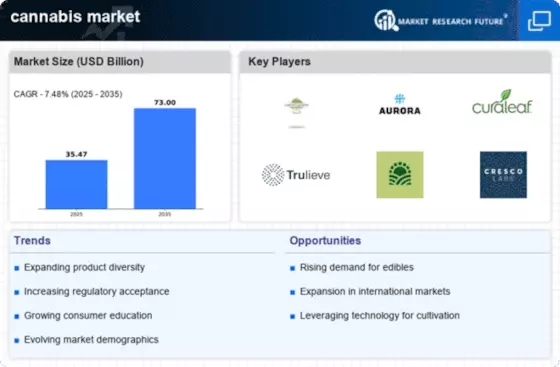
As per MRFR analysis, the cannabis (marijuana) market was estimated at 33.0 USD Billion in 2024. The cannabis (marijuana) industry is projected to grow from 35.47 USD Billion in 2025 to 73.0 USD Billion by 2035, exhibiting a compound annual growth rate (CAGR) of 7.48 during the forecast period 2025 - 2035.

Key Market Trends & Highlights

The cannabis (marijuana) market is experiencing a dynamic evolution characterized by premiumization and diversification.

  • The North American market remains the largest, driven by increasing consumer acceptance and regulatory advancements.
  • Asia-Pacific is emerging as the fastest-growing region, fueled by rising interest in cannabis for wellness and medicinal purposes.
  • The medical segment continues to dominate, while the recreational segment is rapidly expanding, reflecting changing consumer preferences.
  • Market drivers such as regulatory changes and consumer demand for wellness products are propelling growth across both the flower and concentrates segments.

Market Size & Forecast

2024 Market Size 33.0 (USD Billion)
2035 Market Size 73.0 (USD Billion)
CAGR (2025 - 2035) 7.48%

Major Players

Canopy Growth Corporation (CA), Aurora Cannabis Inc. (CA), Curaleaf Holdings Inc. (US), Trulieve Cannabis Corp. (US), Green Thumb Industries Inc. (US), Cresco Labs Inc. (US), Harvest Health & Recreation Inc. (US), MedMen Enterprises Inc. (US), Tilray Brands Inc. (CA)

Our Impact
Enabled $4.3B Revenue Impact for Fortune 500 and Leading Multinationals
Partnering with 2000+ Global Organizations Each Year
30K+ Citations by Top-Tier Firms in the Industry

cannabis market Trends

The cannabis (marijuana) market is currently experiencing a dynamic evolution, characterized by shifting consumer preferences and regulatory changes. As more regions embrace legalization, the market landscape is becoming increasingly competitive. This transformation is not merely a reflection of changing laws but also an indication of a broader societal acceptance of cannabis products. Consumers are now more informed and discerning, seeking high-quality products that align with their lifestyle choices. This trend suggests a potential for premiumization within the market, where consumers may be willing to pay more for superior quality and unique experiences. Moreover, the cannabis (marijuana) market is witnessing a surge in innovation, particularly in product development. Companies are exploring diverse product formats, including edibles, beverages, and wellness products, which cater to a wider audience. This diversification appears to be a strategic response to the evolving demands of consumers who are looking for alternatives to traditional smoking methods. As the market continues to mature, it is likely that brands will focus on sustainability and ethical sourcing, further shaping consumer expectations and preferences. Overall, the cannabis (marijuana) market is poised for continued growth, driven by a combination of regulatory advancements, consumer education, and innovative product offerings.

Premiumization of Products

The cannabis (marijuana) market is witnessing a trend towards premiumization, where consumers increasingly seek high-quality products. This shift indicates a growing willingness to invest in superior offerings that provide unique experiences, reflecting a broader societal acceptance of cannabis.

Diversification of Product Formats

Innovation is a key trend in the cannabis (marijuana) market, with companies expanding their product lines to include edibles, beverages, and wellness items. This diversification caters to a wider audience and aligns with changing consumer preferences for alternative consumption methods.

Focus on Sustainability

As the cannabis (marijuana) market matures, there is a noticeable emphasis on sustainability and ethical sourcing. Brands are likely to prioritize environmentally friendly practices, which may influence consumer expectations and drive market dynamics.

Market Segment Insights

By Application: Medical (Largest) vs. Recreational (Fastest-Growing)

The cannabis market is segmented into several applications, with the medical segment holding the largest share. This segment has consistently attracted attention due to the therapeutic benefits of cannabis in managing various health conditions, from chronic pain to anxiety. Recreational use is rapidly growing as legalization spreads across regions, with a significant number of consumers now opting for cannabis products for leisure, relaxation, and socialization. This has contributed to the evolving landscape of the cannabis industry.

Market Usage: Medical (Dominant) vs. Recreational (Emerging)

The medical cannabis segment is dominant primarily because of its established acceptance in treating ailments, along with a strong regulatory framework supporting its use in various jurisdictions. Patients are increasingly relying on prescribed cannabis products, adding to their mainstream acceptance. On the other hand, the recreational segment is emerging due to changing societal perceptions and legal reforms fostering a more relaxed attitude toward cannabis use. This segment appeals to younger demographics and lifestyle consumers looking for new experiences, thereby driving innovation in product offerings and marketing strategies.

By Product Type: Flower (Largest) vs. Concentrates (Fastest-Growing)

In the cannabis (marijuana) market, the product type segment exhibits diverse distribution, with Flower leading in popularity due to its traditional consumption method and widespread availability. Concentrates, while not as prevalent, are gaining traction as consumers seek higher potency and more refined consumption experiences. Edibles, topicals, and beverages also attract niche markets but have smaller shares when compared to the traditional flower segment. Market distribution is influenced by changing consumer preferences and regulatory developments, each impacting the adoption rates of these various product types.

Flower (Dominant) vs. Edibles (Emerging)

Flower remains the dominant product type in the cannabis market, appealing to both new and seasoned users due to its familiar consumption methods and versatility. Its broad acceptance and established market presence make it a go-to choice for many. On the other hand, Edibles are emerging rapidly, fueled by innovation and the demand for discreet consumption options. With a variety of flavors and forms, edibles attract a diverse consumer base seeking an alternative to traditional smoking. The growth of this segment is driven by increased awareness of dosing consistency and flavor variety, making edibles a significant player in the evolving cannabis market.

By Distribution Channel: Online (Largest) vs. Retail (Fastest-Growing)

The distribution of the cannabis (marijuana) market among various channels shows a clear preference for online sales, which stands as the largest segment. Online platforms have seen a significant rise in consumer engagement, offering convenience and a diverse selection of products. Retail outlets and dispensaries follow closely, capturing a considerable share related to in-person experiences and local brand loyalty. As consumers become more educated about cannabis products, the demand for information and quality drives traffic to these channels.

Online (Dominant) vs. Retail (Emerging)

Online channels have emerged as the dominant distribution method for cannabis (marijuana), characterized by ease of access, comprehensive product listings, and tailored shopping experiences. As consumers increasingly opt for the convenience of home delivery and the anonymity that online purchases provide, the online segment is likely to maintain its lead. In contrast, the retail sector, while currently the fastest-growing, is benefiting from the personal touch of customer service and direct product experience. Retail outlets are evolving by offering in-store events, product trials, and strong community connections, which enhance customer loyalty and engagement.

By Consumer Demographics: Age (Largest) vs. Gender (Fastest-Growing)

The consumer demographics segment in the cannabis (marijuana) market showcases a diverse age distribution, with adults aged 25-34 years holding the largest share of users. This age group resonates with the cultural acceptance and recreational use of cannabis, resulting in significant market influence. Following them are the 35-44 year-olds, who demonstrate strong purchasing power, while younger consumers aged 18-24 are increasingly engaging with cannabis products, driven by changing perceptions and legalization trends. In terms of growth trends, gender representation is emerging as a key driver. Recent studies suggest that female consumers are entering the market at a much faster rate than their male counterparts. This shift is attributed to targeted marketing strategies and the expansion of product offerings catering to women’s preferences. As acceptance of cannabis continues to grow, the gender gap is likely to narrow even further, resulting in a balanced consumer base over the coming years.

Age: 25-34 Years (Dominant) vs. Gender: Female (Emerging)

The age demographic of 25-34 years stands as the dominant segment in the cannabis (marijuana) market, characterized by a progressive attitude towards cannabis use and a readiness to experiment with various product forms, such as edibles and vapes. This age group is often seen as trendsetters, influencing their peers and promoting cannabis consumption through social media. In contrast, female consumers represent an emerging segment, growing rapidly due to a rise in confidence and acceptance of cannabis products. Women are increasingly engaging with cannabis for wellness, stress relief, and social experiences, thus reshaping marketing approaches. As the industry evolves, brands focusing on inclusivity and gender-specific offerings can tap into this burgeoning female market effectively.

By Legislation Status: Legal (Largest) vs. Medical Use Only (Fastest-Growing)

The cannabis market is primarily divided into five key legislation statuses: Legal, Decriminalized, Illegal, Medical Use Only, and Recreational Use Only. Currently, the Legal segment holds the largest market share as various jurisdictions have legalized cannabis for recreational and medicinal use. Following this, the Medical Use Only category is gaining traction as more states and countries recognize the therapeutic benefits of cannabis, contributing significantly to the market dynamics.

Legal (Dominant) vs. Medical Use Only (Emerging)

In the current cannabis landscape, the Legal segment stands out as the dominant player, bolstered by legalization trends across North America and other parts of the world. This segment benefits from established recreational and medicinal sales channels that appeal to a broad consumer base. On the other hand, the Medical Use Only segment is emerging rapidly, propelled by growing acceptance of cannabis for therapeutic purposes. Patients increasingly seek cannabis for pain management and chronic conditions, leading to a surge in prescriptions. These segments together highlight the shifting perceptions and regulatory frameworks around cannabis.

Get more detailed insights about cannabis market

Regional Insights

North America : Market Leader in Cannabis

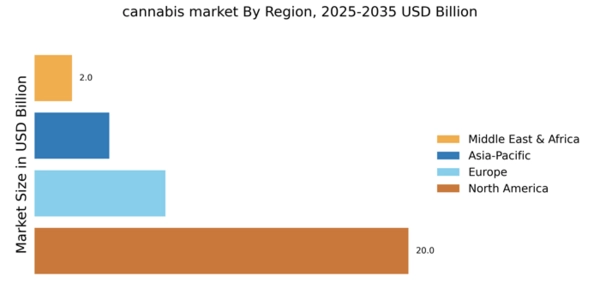
North America continues to lead The cannabis (marijuana) market, holding a significant share of 20.0 in 2025. The region's growth is driven by increasing legalization, evolving consumer preferences, and a robust supply chain. Regulatory frameworks in states like California and Colorado have catalyzed market expansion, fostering a competitive environment that attracts investment and innovation. The United States is the primary market within North America, with key players such as Curaleaf Holdings Inc., Trulieve Cannabis Corp., and Green Thumb Industries Inc. dominating the landscape. Canada also plays a crucial role, with companies like Canopy Growth Corporation and Aurora Cannabis Inc. contributing to the region's growth. The competitive landscape is characterized by mergers, acquisitions, and strategic partnerships aimed at enhancing market reach and product offerings.

Europe : Emerging Cannabis Market

Europe's cannabis market is rapidly evolving, with a market size of 7.0 in 2025. The region is witnessing increased demand for medical cannabis, driven by changing regulations and growing acceptance among healthcare professionals. Countries like Germany and the Netherlands are at the forefront, implementing progressive policies that facilitate market entry and expansion for cannabis companies. Germany stands out as a leader in the European market, with a well-established framework for medical cannabis. The competitive landscape includes both local and international players, with companies like Tilray Brands Inc. making significant inroads. The European market is characterized by a mix of established firms and emerging startups, all vying for a share of this burgeoning sector. "The German government is committed to ensuring a safe and regulated cannabis market for medical use," Bundesopiumstelle, Germany's Federal Institute for Drugs and Medical Devices.

Asia-Pacific : Growing Interest in Cannabis

The Asia-Pacific cannabis market is gaining traction, with a market size of 4.0 in 2025. This growth is fueled by increasing interest in medical cannabis and changing perceptions among consumers and policymakers. Countries like Australia and New Zealand are leading the way, implementing regulations that support the cultivation and distribution of cannabis products for medical use. Australia is a key player in the region, with a regulatory framework that allows for both medical and research purposes. The competitive landscape is still developing, with a mix of local startups and international companies exploring opportunities. As regulations continue to evolve, the market is expected to expand, attracting investment and innovation. The region's potential is significant, with a growing number of stakeholders entering the market.

Middle East and Africa : Emerging Cannabis Opportunities

The Middle East and Africa cannabis market is in its nascent stages, with a market size of 2.0 in 2025. The region is beginning to explore cannabis for both medical and industrial applications, driven by changing regulations and increasing awareness of its benefits. Countries like South Africa are leading the charge, implementing policies that allow for the legal use of cannabis for medical purposes. South Africa's progressive stance on cannabis has opened doors for local and international companies to enter the market. The competitive landscape is still forming, with a focus on education and advocacy to promote the benefits of cannabis. As regulations continue to evolve, the region is poised for growth, attracting interest from investors and entrepreneurs looking to capitalize on emerging opportunities.


cannabis market Regional Image

Key Players and Competitive Insights

The cannabis (marijuana) market is currently characterized by a dynamic competitive landscape, driven by factors such as regulatory changes, evolving consumer preferences, and increasing demand for both medicinal and recreational products. Major players are strategically positioning themselves through innovation, mergers and acquisitions, and regional expansions. For instance, Canopy Growth Corporation (CA) has focused on diversifying its product offerings, while Curaleaf Holdings Inc. (US) emphasizes its extensive retail footprint and operational efficiency. These strategies collectively shape a competitive environment that is increasingly characterized by a blend of consolidation and localized competition.Key business tactics within the market include localizing manufacturing to reduce costs and optimize supply chains, which is particularly crucial given the varying regulatory environments across regions. The market appears moderately fragmented, with a mix of large-scale operators and smaller niche players. The collective influence of key players, such as Trulieve Cannabis Corp. (US) and Green Thumb Industries Inc. (US), suggests a trend towards greater market consolidation, as these companies seek to enhance their competitive edge through strategic partnerships and acquisitions.


In November Aurora Cannabis Inc. (CA) announced a strategic partnership with a leading technology firm to enhance its cultivation processes through AI-driven analytics. This move is significant as it positions Aurora to improve yield efficiency and product quality, thereby potentially increasing its market share in a highly competitive environment. The integration of advanced technology into cultivation practices may also set a new standard for operational excellence within the industry.


In October Cresco Labs Inc. (US) completed the acquisition of a regional competitor, which expanded its footprint in the Midwest. This acquisition is indicative of Cresco's strategy to consolidate its market presence and leverage synergies in distribution and product development. By enhancing its operational scale, Cresco is likely to improve its competitive positioning against other major players, particularly in a market that is increasingly favoring larger, more integrated companies.


In September Tilray Brands Inc. (CA) launched a new line of sustainable cannabis products, emphasizing eco-friendly packaging and organic cultivation methods. This initiative reflects a growing consumer preference for sustainability and may enhance Tilray's brand loyalty among environmentally conscious consumers. The focus on sustainability is becoming a critical differentiator in the market, as companies strive to align their operations with consumer values.


As of December current competitive trends indicate a strong emphasis on digitalization, sustainability, and the integration of AI technologies across operations. Strategic alliances are increasingly shaping the landscape, allowing companies to pool resources and expertise to navigate regulatory complexities and consumer demands. Looking ahead, competitive differentiation is likely to evolve from traditional price-based competition towards innovation, technological advancements, and supply chain reliability, as companies seek to establish themselves as leaders in a rapidly changing market.

Key Companies in the cannabis market include

Future Outlook

cannabis market Future Outlook

The cannabis (marijuana) market is projected to grow at a 7.48% CAGR from 2025 to 2035, driven by legalization, product innovation, and increasing consumer acceptance.

New opportunities lie in:

  • Development of premium cannabis-infused beverages Expansion of telehealth services for cannabis prescriptions Implementation of blockchain for supply chain transparency

By 2035, the cannabis market is expected to be robust, characterized by diverse product offerings and enhanced consumer trust.

Market Segmentation

cannabis market Application Outlook

  • Medical
  • Recreational
  • Industrial
  • Nutraceutical
  • Cosmetic

cannabis market Product Type Outlook

  • Flower
  • Concentrates
  • Edibles
  • Topicals
  • Beverages

cannabis market Legislation Status Outlook

  • Legal
  • Decriminalized
  • Illegal
  • Medical Use Only
  • Recreational Use Only

cannabis market Distribution Channel Outlook

  • Online
  • Retail
  • Dispensaries
  • Wholesale
  • Direct Sales

cannabis market Consumer Demographics Outlook

  • Age
  • Gender
  • Income Level
  • Education Level
  • Lifestyle

Report Scope

MARKET SIZE 2024 33.0(USD Billion)
MARKET SIZE 2025 35.47(USD Billion)
MARKET SIZE 2035 73.0(USD Billion)
COMPOUND ANNUAL GROWTH RATE (CAGR) 7.48% (2025 - 2035)
REPORT COVERAGE Revenue Forecast, Competitive Landscape, Growth Factors, and Trends
BASE YEAR 2024
Market Forecast Period 2025 - 2035
Historical Data 2019 - 2024
Market Forecast Units USD Billion
Key Companies Profiled Canopy Growth Corporation (CA), Aurora Cannabis Inc. (CA), Curaleaf Holdings Inc. (US), Trulieve Cannabis Corp. (US), Green Thumb Industries Inc. (US), Cresco Labs Inc. (US), Harvest Health & Recreation Inc. (US), MedMen Enterprises Inc. (US), Tilray Brands Inc. (CA)
Segments Covered Application, Product Type, Distribution Channel, Consumer Demographics, Legislation Status
Key Market Opportunities Expansion of cannabis (marijuana) market driven by evolving regulations and increasing consumer acceptance.
Key Market Dynamics Evolving regulatory frameworks and shifting consumer preferences drive innovation and competition in the cannabis (marijuana) market.
Countries Covered North America, Europe, APAC, South America, MEA
Leave a Comment
Download Free Sample

Kindly complete the form below to receive a free sample of this Report

Compare Licence

×
Features License Type
Single User Multiuser License Enterprise User
Price $4,950 $5,950 $7,250
Maximum User Access Limit 1 User Upto 10 Users Unrestricted Access Throughout the Organization
Free Customization
Direct Access to Analyst
Deliverable Format
Platform Access
Discount on Next Purchase 10% 15% 15%
Printable Versions