Growing Aging Population
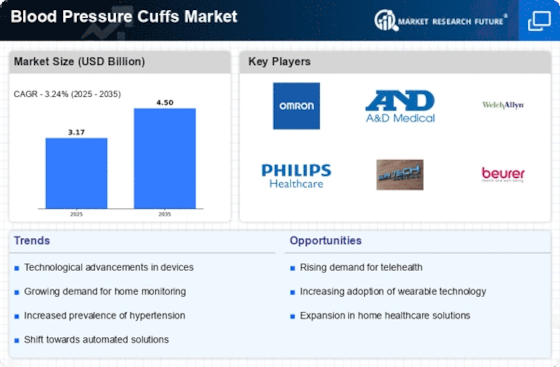
The aging population is a significant factor contributing to the expansion of the Blood Pressure Cuffs Market. As individuals age, the risk of developing hypertension and other cardiovascular conditions increases, leading to a higher demand for regular blood pressure monitoring. According to demographic data, the proportion of individuals aged 65 and older is projected to rise substantially in the coming years. This demographic shift is likely to create a larger market for blood pressure cuffs, as older adults often require more frequent health assessments. Additionally, healthcare systems are increasingly focusing on managing chronic diseases in the elderly, further driving the need for effective monitoring tools. Consequently, the Blood Pressure Cuffs Market is expected to benefit from this demographic trend.
Rising Incidence of Hypertension
The increasing prevalence of hypertension is a primary driver for the Blood Pressure Cuffs Market. According to health statistics, nearly 1.13 billion people worldwide suffer from hypertension, which necessitates regular monitoring. This growing patient population is likely to boost demand for blood pressure cuffs, as healthcare providers and patients alike seek effective tools for managing this chronic condition. Furthermore, the World Health Organization has indicated that hypertension is a leading cause of cardiovascular diseases, further emphasizing the need for accurate blood pressure monitoring. As awareness of hypertension rises, the Blood Pressure Cuffs Market is expected to expand, with manufacturers innovating to meet the needs of both healthcare professionals and consumers.
Increased Awareness of Health and Wellness
There is a growing awareness of health and wellness among consumers, which is positively impacting the Blood Pressure Cuffs Market. As individuals become more health-conscious, they are more likely to invest in personal health monitoring devices, including blood pressure cuffs. This trend is supported by various health campaigns and educational initiatives that emphasize the importance of regular health check-ups. Moreover, the rise of telehealth services has made it easier for consumers to access healthcare information and tools, further encouraging the use of blood pressure monitoring devices at home. This heightened awareness is likely to drive demand for blood pressure cuffs, as consumers seek to take proactive measures in managing their health.
Regulatory Support for Home Healthcare Solutions
Regulatory support for home healthcare solutions is emerging as a key driver for the Blood Pressure Cuffs Market. Governments and health organizations are increasingly recognizing the importance of home monitoring in managing chronic diseases, including hypertension. Policies that promote the use of home healthcare devices are likely to encourage manufacturers to innovate and expand their product offerings. Additionally, reimbursement policies for home monitoring devices are becoming more favorable, making it easier for patients to access blood pressure cuffs. This regulatory environment is expected to foster growth in the Blood Pressure Cuffs Market, as more consumers turn to home-based solutions for their healthcare needs.
Technological Innovations in Blood Pressure Monitoring
Technological advancements are significantly influencing the Blood Pressure Cuffs Market. Innovations such as digital and wireless blood pressure monitors are becoming increasingly popular due to their ease of use and accuracy. These devices often feature Bluetooth connectivity, allowing users to track their blood pressure readings through mobile applications. The integration of artificial intelligence in these devices may also enhance their functionality, providing users with personalized health insights. As a result, the market is witnessing a shift towards more sophisticated monitoring solutions, which could potentially increase consumer adoption rates. The introduction of these advanced technologies is likely to drive growth in the Blood Pressure Cuffs Market, as both healthcare providers and patients seek more efficient monitoring options.