×
Request Free Sample ×

Kindly complete the form below to receive a free sample of this Report

* Please use a valid business email

Leading companies partner with us for data-driven Insights

clients tt-cursor
Hero Background
English
Chinese
French
Japanese
Korean
German
Spanish

Asia Pacific Multi-junction VCSEL Chips Market Analysis

ID: MRFR/SEM/14633-HCR
128 Pages
Aarti Dhapte
October 2025

Asia Pacific Multi-junction VCSEL Chips Market Size, Share and Research Report By Type (Single Mode and Multi Mode), By Application (Consumer Electronics, Industrial, Automotive & Transport, IT & Telecommunication, Others) –and Asia Pacific Industry Forecast Till 2035

Share:
Download PDF ×

We do not share your information with anyone. However, we may send you emails based on your report interest from time to time. You may contact us at any time to opt-out.

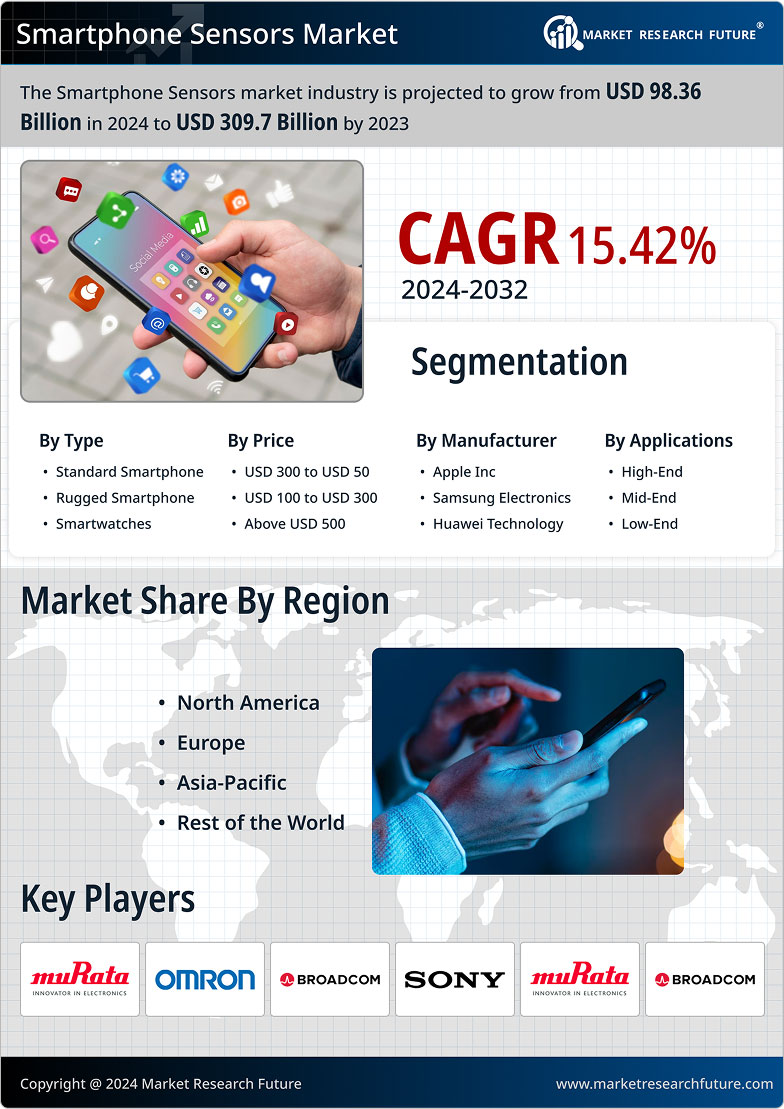
Asia Pacific Multi-junction VCSEL Chips Market Infographic
Purchase Options

Market Analysis

In-depth Analysis of Asia Pacific Multi-junction VCSEL Chips Market Industry Landscape

The Asia Pacific multi-junction VCSEL (Vertical-Cavity Surface-Emitting Laser) chips market is witnessing dynamic growth propelled by a combination of factors, including advancements in optical communication technologies, the proliferation of 3D sensing applications, and the region's increasing focus on semiconductor innovation. One of the key drivers shaping market dynamics is the expanding deployment of VCSEL technology in diverse applications such as data communication, sensing systems, and facial recognition. The demand for high-speed and efficient optical communication solutions, especially in emerging economies within the Asia Pacific region, is fueling the adoption of multi-junction VCSEL chips. Technological innovation is a cornerstone of market dynamics, with a strong emphasis on developing advanced multi-junction VCSEL chips that offer improved performance in terms of data transmission speeds, energy efficiency, and wavelength diversity.

The integration of multi-junction technology allows for the simultaneous emission of multiple wavelengths, enhancing the versatility and capabilities of VCSEL chips. Applications such as 3D sensing in smartphones, augmented reality (AR) devices, and automotive LiDAR systems are driving the demand for multi-junction VCSEL chips with enhanced features and performance. The competitive landscape of the Asia Pacific multi-junction VCSEL chips market comprises established semiconductor manufacturers, technology providers, and emerging players. Companies like Lumentum, II-VI Incorporated, and Finisar (acquired by II-VI) compete with regional players, fostering a dynamic and competitive environment. The diversity of players ensures a range of multi-junction VCSEL solutions catering to the specific requirements of different industries and applications. Collaborations, partnerships, and strategic alliances are common in the market, fostering innovation and driving the development of advanced VCSEL technologies.

Government initiatives and policies play a significant role in shaping market dynamics in the Asia Pacific region, particularly in countries that prioritize technological innovation. Initiatives promoting the development of the semiconductor industry, research and development in photonics, and the deployment of advanced optical communication technologies contribute to the growth of the multi-junction VCSEL chips market. Government support for emerging technologies, including 3D sensing and LiDAR applications, further accelerates the adoption of multi-junction VCSEL chips in the Asia Pacific region.


Author
Aarti Dhapte
Team Lead - Research

She holds an experience of about 6+ years in Market Research and Business Consulting, working under the spectrum of Information Communication Technology, Telecommunications and Semiconductor domains. Aarti conceptualizes and implements a scalable business strategy and provides strategic leadership to the clients. Her expertise lies in market estimation, competitive intelligence, pipeline analysis, customer assessment, etc.

Leave a Comment

FAQs

What is the projected market valuation for the APAC Multi Junction Vcsel Chips Market by 2035?

<p>The projected market valuation for the APAC Multi Junction Vcsel Chips Market is expected to reach 987.0 USD Million by 2035.</p>

What was the market valuation of the APAC Multi Junction Vcsel Chips Market in 2024?

<p>The market valuation of the APAC Multi Junction Vcsel Chips Market was 525.0 USD Million in 2024.</p>

What is the expected CAGR for the APAC Multi Junction Vcsel Chips Market during the forecast period 2025 - 2035?

<p>The expected CAGR for the APAC Multi Junction Vcsel Chips Market during the forecast period 2025 - 2035 is 5.91%.</p>

Which companies are considered key players in the APAC Multi Junction Vcsel Chips Market?

<p>Key players in the APAC Multi Junction Vcsel Chips Market include Finisar Corporation, II-VI Incorporated, Lumentum Operations LLC, and Broadcom Inc.</p>

What are the main applications of Multi Junction Vcsel Chips in the APAC market?

<p>The main applications of Multi Junction Vcsel Chips in the APAC market include Data Communication, Optical Sensing, Industrial Automation, and Consumer Electronics.</p>

Market Summary

As per analysis, the APAC Multi Junction Vcsel Chips Market is projected to grow from USD 560.0 Million in 2025 to USD 987.0 Million by 2035, exhibiting a compound annual growth rate (CAGR) of 5.91% during the forecast period (2025 - 2035).

Key Market Trends & Highlights

The APAC Multi Junction Vcsel Chips Market is poised for substantial growth driven by technological advancements and increasing demand across various sectors.

  • China emerges as the largest market for Multi Junction Vcsel Chips, reflecting its robust technological infrastructure.
  • India is recognized as the fastest-growing region, fueled by rapid digital transformation and increasing investments in technology.
  • The Data Communication segment remains the largest, while the Optical Sensing segment is experiencing the fastest growth due to rising applications in various industries.
  • Key market drivers include the growing adoption of 5G technology and the expansion of data centers, which are significantly influencing market dynamics.

Market Size & Forecast

2024 Market Size 525.0 (USD Million)
2035 Market Size 987.0 (USD Million)
CAGR (2025 - 2035) 5.91%

Major Players

<p>Finisar Corporation (US), II-VI Incorporated (US), Lumentum Operations LLC (US), Broadcom Inc. (US), Mitsubishi Electric Corporation (JP), Osram Opto Semiconductors GmbH (DE), Sumitomo Electric Industries, Ltd. (JP), Nippon Telegraph and Telephone Corporation (JP)</p>

Market Trends

The APAC Multi Junction Vcsel Chips Market is currently experiencing a notable evolution, driven by advancements in technology and increasing demand across various sectors. The region's robust electronics industry, coupled with a growing emphasis on high-speed data transmission, appears to be propelling the adoption of multi-junction vertical-cavity surface-emitting laser (VCSEL) chips. These components are integral to applications such as optical communications, sensing, and industrial automation, suggesting a shift towards more efficient and compact solutions. Furthermore, the rising trend of smart devices and the Internet of Things (IoT) in APAC is likely to enhance the market's growth trajectory, as these technologies require high-performance optical components for seamless connectivity. In addition, the APAC Multi Junction Vcsel Chips Market seems to benefit from supportive government initiatives aimed at fostering innovation and technological development. Countries within the region are investing in research and development, which may lead to breakthroughs in VCSEL technology. This focus on enhancing manufacturing capabilities and promoting local production could potentially reduce dependency on imports, thereby strengthening the market landscape. As the demand for energy-efficient and high-speed optical solutions continues to rise, the APAC Multi Junction Vcsel Chips Market is poised for substantial growth in the coming years.

Rising Demand for High-Speed Data Transmission

The APAC Multi Junction Vcsel Chips Market is witnessing an increase in demand for high-speed data transmission solutions. This trend is largely driven by the expansion of telecommunications infrastructure and the growing need for efficient data centers. As businesses and consumers alike seek faster connectivity, the role of multi-junction VCSEL chips becomes increasingly critical in meeting these requirements.

Integration with IoT and Smart Devices

The integration of multi-junction VCSEL chips with Internet of Things (IoT) devices and smart technologies is becoming more prevalent in the APAC region. This trend indicates a shift towards more interconnected systems, where VCSELs facilitate communication between devices. The growing adoption of smart home technologies and industrial automation is likely to further propel this integration.

Government Support for Technological Advancements

Government initiatives in various APAC countries are fostering advancements in the multi-junction VCSEL chips sector. By investing in research and development, these governments aim to enhance local manufacturing capabilities and promote innovation. Such support may lead to the emergence of new technologies and applications, thereby strengthening the overall market.

Asia Pacific Multi-junction VCSEL Chips Market Market Drivers

Expansion of Data Centers

The APAC region is witnessing a rapid expansion of data centers, driven by the increasing need for cloud computing and data storage solutions. This growth is particularly evident in countries like India and Singapore, where investments in data center infrastructure are on the rise. Multi Junction Vcsel chips play a crucial role in enhancing the performance of data centers by enabling faster data transmission and improving energy efficiency. The APAC Multi Junction Vcsel Chips Market is poised to benefit from this trend, as data centers increasingly adopt advanced optical technologies to meet the demands of big data and analytics. Market analysts predict that the data center sector will contribute significantly to the overall growth of the Multi Junction Vcsel chips market in the region.

Growing Adoption of 5G Technology

The APAC Multi Junction Vcsel Chips Market is experiencing a surge in demand due to the rapid rollout of 5G technology across the region. Countries like China, South Korea, and Japan are leading the charge, investing heavily in infrastructure to support high-speed connectivity. This transition to 5G necessitates advanced optical components, including Multi Junction Vcsel chips, which are essential for high-speed data transmission and efficient communication. The market is projected to grow significantly, with estimates suggesting a compound annual growth rate (CAGR) of over 20% in the coming years. As telecommunications companies expand their networks, the demand for these chips is likely to increase, positioning the APAC Multi Junction Vcsel Chips Market for substantial growth.

Increased Focus on Energy Efficiency

The APAC Multi Junction Vcsel Chips Market is also benefiting from a heightened focus on energy efficiency across various sectors. Governments and industries are increasingly prioritizing sustainable practices, leading to the adoption of energy-efficient technologies. Multi Junction Vcsel chips are known for their low power consumption and high performance, making them an attractive option for companies looking to reduce their carbon footprint. This trend is particularly relevant in the manufacturing and telecommunications sectors, where energy costs can be substantial. As organizations in APAC strive to meet regulatory requirements and consumer expectations for sustainability, the demand for energy-efficient solutions like Multi Junction Vcsel chips is likely to rise, further propelling market growth.

Advancements in Automotive Technology

The automotive sector in APAC is undergoing a transformation, with a growing emphasis on electric vehicles (EVs) and autonomous driving technologies. Multi Junction Vcsel chips are increasingly being integrated into automotive applications, such as LiDAR systems and advanced driver-assistance systems (ADAS). Countries like Japan and South Korea are at the forefront of this innovation, investing in research and development to enhance vehicle safety and efficiency. The APAC Multi Junction Vcsel Chips Market stands to gain from this trend, as the automotive industry seeks to adopt advanced optical technologies to improve vehicle performance. The market for automotive applications is projected to grow, potentially driving demand for Multi Junction Vcsel chips in the coming years.

Rising Demand for Consumer Electronics

The APAC Multi Junction Vcsel Chips Market is significantly influenced by the growing demand for consumer electronics, particularly smartphones, tablets, and wearables. As manufacturers strive to enhance device performance and functionality, the integration of Multi Junction Vcsel chips becomes increasingly vital. These chips facilitate faster data transfer rates and improved battery efficiency, which are essential features for modern consumer devices. The market for consumer electronics in APAC is expected to reach trillions of dollars, with a substantial portion attributed to the adoption of advanced optical components. This trend indicates a robust growth trajectory for the Multi Junction Vcsel chips market, as consumer electronics manufacturers seek to leverage cutting-edge technology to gain a competitive edge.

Market Segment Insights

By Application: Data Communication (Largest) vs. Optical Sensing (Fastest-Growing)

<p>In the APAC Multi Junction Vcsel Chips Market, Data Communication emerges as the largest segment, driven by increasing bandwidth demands and the proliferation of high-speed data networks. Its substantial market share is largely attributable to the rising need for efficient communication technologies across various sectors, including telecommunications and data centers. Meanwhile, Optical Sensing is positioned as the fastest-growing segment, propelled by advancements in sensor technologies and the increasing adoption of smart devices. The diverse applications of optical sensors in industries like healthcare, automotive, and security contribute to their rapid expansion within the market.</p>

<p>Data Communication: Dominant vs. Optical Sensing: Emerging</p>

<p>Data Communication holds a dominant position in the APAC Multi Junction Vcsel Chips Market due to its critical role in facilitating high-speed data transfer and connectivity solutions. Its applications span telecommunications and networking, making it essential for modern infrastructure. On the other hand, Optical Sensing is an emerging segment that showcases the potential for innovative applications, especially in smart technologies and IoT devices. As industries increasingly integrate optical sensing solutions into their operations, this segment is anticipated to grow significantly, reflecting the ongoing trend towards automation and intelligent systems. The combination of established demand in Data Communication and the rapid innovation in Optical Sensing highlights the dynamic nature of this market.</p>

By End Use: Telecommunications (Largest) vs. Healthcare (Fastest-Growing)

<p>In the APAC Multi Junction Vcsel Chips Market, Telecommunications stands as the largest segment, driven by the increasing demand for high-speed data transmission and enhanced connectivity solutions. This segment capitalizes on the need for advanced fiber optic networks and is projected to continue holding a significant market share. In contrast, the Healthcare segment is rapidly expanding, propelled by a surge in demand for medical imaging devices and laser-based therapies. The rise in telemedicine, especially post-pandemic, further accentuates the growth trajectory of this sector, marking it as a critical area of development in the Vcsel market.</p>

<p>Telecommunications (Dominant) vs. Healthcare (Emerging)</p>

<p>The Telecommunications segment of the APAC Multi Junction Vcsel Chips Market is characterized by its robust infrastructure that supports various communication technologies. This segment leverages advanced Vcsel technology for data centers, telecom networks, and 5G implementation, ensuring high-speed data transfer and efficient network performance. In contrast, the Healthcare segment is seen as an emerging area, demonstrating significant growth due to the increasing integration of AI and automation in healthcare processes. The adoption of Vcsel chips for medical imaging, monitoring devices, and therapeutic applications positions this segment as a key player, enhancing the overall market dynamics and showcasing the diverse applications of Vcsel technology.</p>

By Technology: Vertical Cavity Surface Emitting Laser (Largest) vs. Quantum Dot Technology (Fastest-Growing)

<p>In the APAC Multi Junction Vcsel Chips Market, Vertical Cavity Surface Emitting Laser (VCSEL) technology holds the largest market share due to its widespread adoption in data centers and consumer electronics. This technology is favored for its efficiency and high-performance capabilities, significantly contributing to the revenue generation in the region. Quantum Dot Technology, while currently smaller in market size, is emerging rapidly in applications like displays and communication technologies, indicating a shift in consumer preferences and technological advancements.</p>

<p>Technology: VCSEL (Dominant) vs. Quantum Dot Technology (Emerging)</p>

<p>VCSEL technology is characterized by its ability to provide high-speed data transfer and efficient optical communications, making it a preferred choice in the burgeoning sectors of data centers and fiber-optic networks. On the other hand, Quantum Dot Technology is celebrated for its potential to enhance display quality and energy efficiency, positioning itself as a key player in the next wave of consumer electronics. As both technologies evolve, VCSEL remains dominant, while Quantum Dot Technology is recognized as an emerging contender with significant growth potential driven by technological innovations and increasing market demand.</p>

By Wavelength: 850 nm (Largest) vs. 940 nm (Fastest-Growing)

<p>In the APAC Multi Junction Vcsel Chips Market, the segment for 850 nm wavelength dominates the market, catering to various applications including data communications and imaging. This wavelength accounts for a substantial share, which underscores its critical role in electronic and optical networking solutions. On the other hand, the 940 nm segment is the fastest-growing, driven by increasing demand in emerging fields such as automotive LIDAR and consumer electronics. This growth is propelled by technological advancements and the proliferation of smart devices, making 940 nm a key driver of future market engagements.</p>

<p>Wavelength: 850 nm (Dominant) vs. 940 nm (Emerging)</p>

<p>The 850 nm wavelength is established as the dominant force within the APAC Multi Junction Vcsel Chips Market. Known for its efficiency in optical data transmission, this wavelength is widely used in fiber optic communications, making it highly sought after across industries. In contrast, the 940 nm segment is emerging rapidly, fueled by innovations in automotive technologies and widespread adoption in consumer devices. Although less prevalent than 850 nm at present, its versatility in applications ranging from proximity sensors to enhanced imaging capabilities positions it as a strong contender for future growth.</p>

By Material: Gallium Arsenide (Largest) vs. Gallium Nitride (Fastest-Growing)

<p>In the APAC Multi Junction Vcsel Chips Market, the material segment is primarily dominated by Gallium Arsenide, which has established a strong foothold owing to its superior efficiency and performance characteristics in optoelectronic applications. Meanwhile, Silicon is also witnessing significant adoption due to its cost-effectiveness and compatibility with existing semiconductor technologies. Indium Phosphide, although smaller in market share, still plays a crucial role, particularly in telecommunications and high-frequency applications.</p>

<p>Gallium Arsenide (Dominant) vs. Gallium Nitride (Emerging)</p>

<p>Gallium Arsenide is recognized as the dominant player in the material segment due to its exceptional efficiency and capability to perform in high-power and high-frequency environments, making it ideal for various applications, particularly in telecommunications. In contrast, Gallium Nitride is emerging rapidly as a key player, driven by the escalating demand for high-performance devices and the continued advancements in technology. With its potential to deliver higher power densities and efficiencies, Gallium Nitride is positioned to carve out a significant niche within the market, attracting attention from manufacturers looking to innovate and enhance their product offerings.</p>

Get more detailed insights about Asia Pacific Multi-junction VCSEL Chips Market Research Report – Forecast till 2035

Regional Insights

China : Unmatched Growth and Innovation

China holds a commanding market share of 210.0, accounting for a significant portion of the APAC VCSEL market. Key growth drivers include rapid advancements in telecommunications and consumer electronics, alongside government initiatives promoting high-tech manufacturing. The demand for Multi Junction VCSEL chips is surging, particularly in data centers and 5G infrastructure, supported by robust industrial development and favorable regulatory policies aimed at enhancing technological capabilities.

India : Rapid Growth in Tech Adoption

India's VCSEL market is valued at 85.0, reflecting a growing demand driven by the expansion of the IT and telecommunications sectors. The government's Digital India initiative is a key growth driver, fostering innovation and infrastructure development. Consumption patterns are shifting towards high-performance optical components, with increasing investments in R&D and manufacturing capabilities to meet local demand.

Japan : Innovation and Quality Leadership

Japan's VCSEL market, valued at 75.0, is characterized by a strong focus on quality and innovation. The country's advanced manufacturing capabilities and emphasis on R&D are pivotal growth drivers. Demand is particularly high in automotive and consumer electronics sectors, supported by government policies promoting sustainable technology and innovation in semiconductor manufacturing.

South Korea : Leading in High-Tech Applications

South Korea's VCSEL market is valued at 60.0, driven by its robust electronics industry and high demand for advanced optical components. The government's support for smart factory initiatives and 5G technology is propelling growth. Key cities like Seoul and Busan are central to this market, with major players like Samsung and LG investing heavily in VCSEL technology for applications in telecommunications and automotive sectors.

Malaysia : Strategic Location for Manufacturing

Malaysia's VCSEL market, valued at 30.0, is emerging as a strategic manufacturing hub in APAC. The government's initiatives to attract foreign investment and enhance local manufacturing capabilities are key growth drivers. Demand is increasing in sectors such as telecommunications and consumer electronics, supported by a favorable business environment and infrastructure development in key industrial zones.

Thailand : Investment in Tech Infrastructure

Thailand's VCSEL market, valued at 25.0, is witnessing growth due to increased investments in technology infrastructure and manufacturing capabilities. The government is promoting initiatives to enhance the local semiconductor industry, driving demand for Multi Junction VCSEL chips in telecommunications and automotive applications. Key cities like Bangkok are central to this market's development.

Indonesia : Focus on Digital Transformation

Indonesia's VCSEL market, valued at 20.0, is in its nascent stages but shows significant potential for growth. The government's focus on digital transformation and infrastructure development is driving demand for advanced optical technologies. Local consumption patterns are evolving, with increasing interest from sectors such as telecommunications and consumer electronics, supported by a growing startup ecosystem.

Rest of APAC : Varied Applications Across Regions

The Rest of APAC market for VCSELs, valued at 20.0, encompasses a diverse range of countries with unique demands. Growth is driven by varying applications in telecommunications, healthcare, and automotive sectors. Regulatory policies across these regions are increasingly supportive of technology adoption, fostering a conducive environment for market expansion. Local dynamics vary significantly, influencing consumption patterns and competitive landscapes.

Key Players and Competitive Insights

The Multi Junction Vcsel Chips Market is currently characterized by a dynamic competitive landscape, driven by technological advancements and increasing demand for high-performance optical components. Key players such as Finisar Corporation (US), II-VI Incorporated (US), and Mitsubishi Electric Corporation (JP) are strategically positioned to leverage their expertise in innovation and regional expansion. These companies are focusing on enhancing their product offerings through research and development, thereby shaping a competitive environment that emphasizes quality and performance over mere cost.

In terms of business tactics, companies are increasingly localizing manufacturing to reduce lead times and optimize supply chains. The market appears moderately fragmented, with several players vying for market share. However, the collective influence of major companies like Lumentum Operations LLC (US) and Broadcom Inc. (US) is significant, as they engage in strategic partnerships and collaborations to enhance their market presence and operational efficiency.

In December 2025, Finisar Corporation (US) announced a partnership with a leading telecommunications provider to develop next-generation optical communication systems. This collaboration is expected to enhance Finisar's capabilities in delivering high-speed data transmission solutions, thereby solidifying its position in the market. The strategic importance of this partnership lies in its potential to drive innovation and meet the growing demand for advanced communication technologies.

In November 2025, II-VI Incorporated (US) unveiled a new line of Multi Junction Vcsel Chips designed for industrial applications. This product launch is indicative of II-VI's commitment to expanding its portfolio and addressing the specific needs of various sectors. The introduction of these chips is likely to enhance the company's competitive edge by providing tailored solutions that cater to diverse market requirements.

In October 2025, Mitsubishi Electric Corporation (JP) expanded its manufacturing capabilities by investing in a new facility dedicated to the production of Vcsel technology. This strategic move is aimed at increasing production capacity and improving supply chain reliability. The establishment of this facility underscores Mitsubishi's focus on meeting the rising demand for Vcsel chips in the APAC region, positioning the company for future growth.

As of January 2026, current trends in the Multi Junction Vcsel Chips Market indicate a strong emphasis on digitalization, sustainability, and AI integration. Strategic alliances among key players are shaping the competitive landscape, fostering innovation and collaboration. Moving forward, it is anticipated that competitive differentiation will increasingly hinge on technological advancements and supply chain reliability, rather than solely on price. This shift suggests a transformative phase in the market, where companies that prioritize innovation and quality will likely emerge as leaders.

Key Companies in the Asia Pacific Multi-junction VCSEL Chips Market include

Industry Developments

Future Outlook

Asia Pacific Multi-junction VCSEL Chips Market Future Outlook

The APAC Multi Junction Vcsel Chips Market is projected to grow at a 5.91% CAGR from 2025 to 2035, driven by increasing demand in telecommunications, data centers, and consumer electronics.

New opportunities lie in:

  • Development of high-efficiency multi-junction Vcsel chips for data center applications.
  • Expansion into emerging markets with tailored Vcsel solutions for local industries.
  • Partnerships with telecommunications firms to enhance optical communication systems.

By 2035, the market is expected to solidify its position as a leader in advanced optical technologies.

Market Segmentation

Asia Pacific Multi-junction VCSEL Chips Market End Use Outlook

  • Telecommunications
  • Healthcare
  • Automotive
  • Aerospace

Asia Pacific Multi-junction VCSEL Chips Market Material Outlook

  • Gallium Arsenide
  • Indium Phosphide
  • Silicon
  • Gallium Nitride

Asia Pacific Multi-junction VCSEL Chips Market Technology Outlook

  • Vertical Cavity Surface Emitting Laser
  • Quantum Dot Technology
  • Hybrid Integration
  • Optical Interconnects

Asia Pacific Multi-junction VCSEL Chips Market Wavelength Outlook

  • 850 nm
  • 940 nm
  • 1310 nm
  • 1550 nm

Asia Pacific Multi-junction VCSEL Chips Market Application Outlook

  • Data Communication
  • Optical Sensing
  • Industrial Automation
  • Consumer Electronics

Report Scope

MARKET SIZE 2024525.0(USD Million)
MARKET SIZE 2025560.0(USD Million)
MARKET SIZE 2035987.0(USD Million)
COMPOUND ANNUAL GROWTH RATE (CAGR)5.91% (2024 - 2035)
REPORT COVERAGERevenue Forecast, Competitive Landscape, Growth Factors, and Trends
BASE YEAR2024
Market Forecast Period2025 - 2035
Historical Data2019 - 2024
Market Forecast UnitsUSD Million
Key Companies ProfiledFinisar Corporation (US), II-VI Incorporated (US), Lumentum Operations LLC (US), Broadcom Inc. (US), Mitsubishi Electric Corporation (JP), Osram Opto Semiconductors GmbH (DE), Sumitomo Electric Industries, Ltd. (JP), Nippon Telegraph and Telephone Corporation (JP)
Segments CoveredApplication, End Use, Technology, Wavelength, Material
Key Market OpportunitiesGrowing demand for high-speed data transmission fuels innovation in the APAC Multi Junction Vcsel Chips Market.
Key Market DynamicsRising demand for high-speed data transmission drives innovation in the APAC Multi Junction Vertical-Cavity Surface-Emitting Laser Chips Market.
Countries CoveredChina, India, Japan, South Korea, Malaysia, Thailand, Indonesia, Rest of APAC

FAQs

What is the projected market valuation for the APAC Multi Junction Vcsel Chips Market by 2035?

<p>The projected market valuation for the APAC Multi Junction Vcsel Chips Market is expected to reach 987.0 USD Million by 2035.</p>

What was the market valuation of the APAC Multi Junction Vcsel Chips Market in 2024?

<p>The market valuation of the APAC Multi Junction Vcsel Chips Market was 525.0 USD Million in 2024.</p>

What is the expected CAGR for the APAC Multi Junction Vcsel Chips Market during the forecast period 2025 - 2035?

<p>The expected CAGR for the APAC Multi Junction Vcsel Chips Market during the forecast period 2025 - 2035 is 5.91%.</p>

Which companies are considered key players in the APAC Multi Junction Vcsel Chips Market?

<p>Key players in the APAC Multi Junction Vcsel Chips Market include Finisar Corporation, II-VI Incorporated, Lumentum Operations LLC, and Broadcom Inc.</p>

What are the main applications of Multi Junction Vcsel Chips in the APAC market?

<p>The main applications of Multi Junction Vcsel Chips in the APAC market include Data Communication, Optical Sensing, Industrial Automation, and Consumer Electronics.</p>

  1. SECTION I: EXECUTIVE SUMMARY AND KEY HIGHLIGHTS
    1. EXECUTIVE SUMMARY
      1. Market Overview
      2. Key Findings
      3. Market Segmentation
      4. Competitive Landscape
      5. Challenges and Opportunities
      6. Future Outlook 2
  2. SECTION II: SCOPING, METHODOLOGY AND MARKET STRUCTURE
    1. MARKET INTRODUCTION
      1. Definition
      2. Scope of the study
    2. RESEARCH METHODOLOGY
      1. Overview
      2. Data Mining
      3. Secondary Research
      4. Primary Research
      5. Forecasting Model
      6. Market Size Estimation
      7. Data Triangulation
      8. Validation 3
  3. SECTION III: QUALITATIVE ANALYSIS
    1. MARKET DYNAMICS
      1. Overview
      2. Drivers
      3. Restraints
      4. Opportunities
    2. MARKET FACTOR ANALYSIS
      1. Value chain Analysis
      2. Porter's Five Forces Analysis
      3. COVID-19 Impact Analysis
  4. SECTION IV: QUANTITATIVE ANALYSIS
    1. Semiconductor & Electronics, BY Type (USD Billion)
      1. Single mode
      2. Multi mode
    2. Semiconductor & Electronics, BY Application (USD Billion)
      1. Consumer Electronics
      2. Industrial
      3. Automotive & Transport
      4. IT & Telecommunication
      5. Others
    3. Semiconductor & Electronics, BY Region (USD Billion)
      1. North America
      2. Europe
      3. APAC
      4. South America
      5. MEA
  5. SECTION V: COMPETITIVE ANALYSIS
    1. Competitive Landscape
      1. Overview
      2. Competitive Analysis
      3. Market share Analysis
      4. Major Growth Strategy in the Semiconductor & Electronics
      5. Competitive Benchmarking
      6. Leading Players in Terms of Number of Developments in the Semiconductor & Electronics
      7. Key developments and growth strategies
      8. Major Players Financial Matrix
    2. Company Profiles
      1. Finisar Corporation (US)
      2. Lumentum Operations LLC (US)
      3. II-VI Incorporated (US)
      4. Broadcom Inc. (US)
      5. Osram Opto Semiconductors GmbH (DE)
      6. Mitsubishi Electric Corporation (JP)
      7. Sony Corporation (JP)
      8. Toshiba Corporation (JP)
      9. Nippon Telegraph and Telephone Corporation (JP)
    3. Appendix
      1. References
      2. Related Reports 6 LIST OF FIGURES
    4. MARKET SYNOPSIS
    5. NORTH AMERICA MARKET ANALYSIS
    6. US MARKET ANALYSIS BY TYPE
    7. US MARKET ANALYSIS BY APPLICATION
    8. CANADA MARKET ANALYSIS BY TYPE
    9. CANADA MARKET ANALYSIS BY APPLICATION
    10. EUROPE MARKET ANALYSIS
    11. GERMANY MARKET ANALYSIS BY TYPE
    12. GERMANY MARKET ANALYSIS BY APPLICATION
    13. UK MARKET ANALYSIS BY TYPE
    14. UK MARKET ANALYSIS BY APPLICATION
    15. FRANCE MARKET ANALYSIS BY TYPE
    16. FRANCE MARKET ANALYSIS BY APPLICATION
    17. RUSSIA MARKET ANALYSIS BY TYPE
    18. RUSSIA MARKET ANALYSIS BY APPLICATION
    19. ITALY MARKET ANALYSIS BY TYPE
    20. ITALY MARKET ANALYSIS BY APPLICATION
    21. SPAIN MARKET ANALYSIS BY TYPE
    22. SPAIN MARKET ANALYSIS BY APPLICATION
    23. REST OF EUROPE MARKET ANALYSIS BY TYPE
    24. REST OF EUROPE MARKET ANALYSIS BY APPLICATION
    25. APAC MARKET ANALYSIS
    26. CHINA MARKET ANALYSIS BY TYPE
    27. CHINA MARKET ANALYSIS BY APPLICATION
    28. INDIA MARKET ANALYSIS BY TYPE
    29. INDIA MARKET ANALYSIS BY APPLICATION
    30. JAPAN MARKET ANALYSIS BY TYPE
    31. JAPAN MARKET ANALYSIS BY APPLICATION
    32. SOUTH KOREA MARKET ANALYSIS BY TYPE
    33. SOUTH KOREA MARKET ANALYSIS BY APPLICATION
    34. MALAYSIA MARKET ANALYSIS BY TYPE
    35. MALAYSIA MARKET ANALYSIS BY APPLICATION
    36. THAILAND MARKET ANALYSIS BY TYPE
    37. THAILAND MARKET ANALYSIS BY APPLICATION
    38. INDONESIA MARKET ANALYSIS BY TYPE
    39. INDONESIA MARKET ANALYSIS BY APPLICATION
    40. REST OF APAC MARKET ANALYSIS BY TYPE
    41. REST OF APAC MARKET ANALYSIS BY APPLICATION
    42. SOUTH AMERICA MARKET ANALYSIS
    43. BRAZIL MARKET ANALYSIS BY TYPE
    44. BRAZIL MARKET ANALYSIS BY APPLICATION
    45. MEXICO MARKET ANALYSIS BY TYPE
    46. MEXICO MARKET ANALYSIS BY APPLICATION
    47. ARGENTINA MARKET ANALYSIS BY TYPE
    48. ARGENTINA MARKET ANALYSIS BY APPLICATION
    49. REST OF SOUTH AMERICA MARKET ANALYSIS BY TYPE
    50. REST OF SOUTH AMERICA MARKET ANALYSIS BY APPLICATION
    51. MEA MARKET ANALYSIS
    52. GCC COUNTRIES MARKET ANALYSIS BY TYPE
    53. GCC COUNTRIES MARKET ANALYSIS BY APPLICATION
    54. SOUTH AFRICA MARKET ANALYSIS BY TYPE
    55. SOUTH AFRICA MARKET ANALYSIS BY APPLICATION
    56. REST OF MEA MARKET ANALYSIS BY TYPE
    57. REST OF MEA MARKET ANALYSIS BY APPLICATION
    58. KEY BUYING CRITERIA OF SEMICONDUCTOR & ELECTRONICS
    59. RESEARCH PROCESS OF MRFR
    60. DRO ANALYSIS OF SEMICONDUCTOR & ELECTRONICS
    61. DRIVERS IMPACT ANALYSIS: SEMICONDUCTOR & ELECTRONICS
    62. RESTRAINTS IMPACT ANALYSIS: SEMICONDUCTOR & ELECTRONICS
    63. SUPPLY / VALUE CHAIN: SEMICONDUCTOR & ELECTRONICS
    64. SEMICONDUCTOR & ELECTRONICS, BY TYPE, 2024 (% SHARE)
    65. SEMICONDUCTOR & ELECTRONICS, BY TYPE, 2024 TO 2035 (USD Billion)
    66. SEMICONDUCTOR & ELECTRONICS, BY APPLICATION, 2024 (% SHARE)
    67. SEMICONDUCTOR & ELECTRONICS, BY APPLICATION, 2024 TO 2035 (USD Billion)
    68. BENCHMARKING OF MAJOR COMPETITORS 7 LIST OF TABLES
    69. LIST OF ASSUMPTIONS
    70. North America MARKET SIZE ESTIMATES; FORECAST
      1. BY TYPE, 2025-2035 (USD Billion)
      2. BY APPLICATION, 2025-2035 (USD Billion)
    71. US MARKET SIZE ESTIMATES; FORECAST
      1. BY TYPE, 2025-2035 (USD Billion)
      2. BY APPLICATION, 2025-2035 (USD Billion)
    72. Canada MARKET SIZE ESTIMATES; FORECAST
      1. BY TYPE, 2025-2035 (USD Billion)
      2. BY APPLICATION, 2025-2035 (USD Billion)
    73. Europe MARKET SIZE ESTIMATES; FORECAST
      1. BY TYPE, 2025-2035 (USD Billion)
      2. BY APPLICATION, 2025-2035 (USD Billion)
    74. Germany MARKET SIZE ESTIMATES; FORECAST
      1. BY TYPE, 2025-2035 (USD Billion)
      2. BY APPLICATION, 2025-2035 (USD Billion)
    75. UK MARKET SIZE ESTIMATES; FORECAST
      1. BY TYPE, 2025-2035 (USD Billion)
      2. BY APPLICATION, 2025-2035 (USD Billion)
    76. France MARKET SIZE ESTIMATES; FORECAST
      1. BY TYPE, 2025-2035 (USD Billion)
      2. BY APPLICATION, 2025-2035 (USD Billion)
    77. Russia MARKET SIZE ESTIMATES; FORECAST
      1. BY TYPE, 2025-2035 (USD Billion)
      2. BY APPLICATION, 2025-2035 (USD Billion)
    78. Italy MARKET SIZE ESTIMATES; FORECAST
      1. BY TYPE, 2025-2035 (USD Billion)
      2. BY APPLICATION, 2025-2035 (USD Billion)
    79. Spain MARKET SIZE ESTIMATES; FORECAST
      1. BY TYPE, 2025-2035 (USD Billion)
      2. BY APPLICATION, 2025-2035 (USD Billion)
    80. Rest of Europe MARKET SIZE ESTIMATES; FORECAST
      1. BY TYPE, 2025-2035 (USD Billion)
      2. BY APPLICATION, 2025-2035 (USD Billion)
    81. APAC MARKET SIZE ESTIMATES; FORECAST
      1. BY TYPE, 2025-2035 (USD Billion)
      2. BY APPLICATION, 2025-2035 (USD Billion)
    82. China MARKET SIZE ESTIMATES; FORECAST
      1. BY TYPE, 2025-2035 (USD Billion)
      2. BY APPLICATION, 2025-2035 (USD Billion)
    83. India MARKET SIZE ESTIMATES; FORECAST
      1. BY TYPE, 2025-2035 (USD Billion)
      2. BY APPLICATION, 2025-2035 (USD Billion)
    84. Japan MARKET SIZE ESTIMATES; FORECAST
      1. BY TYPE, 2025-2035 (USD Billion)
      2. BY APPLICATION, 2025-2035 (USD Billion)
    85. South Korea MARKET SIZE ESTIMATES; FORECAST
      1. BY TYPE, 2025-2035 (USD Billion)
      2. BY APPLICATION, 2025-2035 (USD Billion)
    86. Malaysia MARKET SIZE ESTIMATES; FORECAST
      1. BY TYPE, 2025-2035 (USD Billion)
      2. BY APPLICATION, 2025-2035 (USD Billion)
    87. Thailand MARKET SIZE ESTIMATES; FORECAST
      1. BY TYPE, 2025-2035 (USD Billion)
      2. BY APPLICATION, 2025-2035 (USD Billion)
    88. Indonesia MARKET SIZE ESTIMATES; FORECAST
      1. BY TYPE, 2025-2035 (USD Billion)
      2. BY APPLICATION, 2025-2035 (USD Billion)
    89. Rest of APAC MARKET SIZE ESTIMATES; FORECAST
      1. BY TYPE, 2025-2035 (USD Billion)
      2. BY APPLICATION, 2025-2035 (USD Billion)
    90. South America MARKET SIZE ESTIMATES; FORECAST
      1. BY TYPE, 2025-2035 (USD Billion)
      2. BY APPLICATION, 2025-2035 (USD Billion)
    91. Brazil MARKET SIZE ESTIMATES; FORECAST
      1. BY TYPE, 2025-2035 (USD Billion)
      2. BY APPLICATION, 2025-2035 (USD Billion)
    92. Mexico MARKET SIZE ESTIMATES; FORECAST
      1. BY TYPE, 2025-2035 (USD Billion)
      2. BY APPLICATION, 2025-2035 (USD Billion)
    93. Argentina MARKET SIZE ESTIMATES; FORECAST
      1. BY TYPE, 2025-2035 (USD Billion)
      2. BY APPLICATION, 2025-2035 (USD Billion)
    94. Rest of South America MARKET SIZE ESTIMATES; FORECAST
      1. BY TYPE, 2025-2035 (USD Billion)
      2. BY APPLICATION, 2025-2035 (USD Billion)
    95. MEA MARKET SIZE ESTIMATES; FORECAST
      1. BY TYPE, 2025-2035 (USD Billion)
      2. BY APPLICATION, 2025-2035 (USD Billion)
    96. GCC Countries MARKET SIZE ESTIMATES; FORECAST
      1. BY TYPE, 2025-2035 (USD Billion)
      2. BY APPLICATION, 2025-2035 (USD Billion)
    97. South Africa MARKET SIZE ESTIMATES; FORECAST
      1. BY TYPE, 2025-2035 (USD Billion)
      2. BY APPLICATION, 2025-2035 (USD Billion)
    98. Rest of MEA MARKET SIZE ESTIMATES; FORECAST
      1. BY TYPE, 2025-2035 (USD Billion)
      2. BY APPLICATION, 2025-2035 (USD Billion)
    99. PRODUCT LAUNCH/PRODUCT DEVELOPMENT/APPROVAL
    100. ACQUISITION/PARTNERSHIP

Asia Pacific Multi-junction VCSEL Chips Market Segmentation

Market Segmentation Overview

  • Detailed segmentation data will be available in the full report
  • Comprehensive analysis by multiple parameters
  • Regional and country-level breakdowns
  • Market size forecasts by segment
Infographic

Free Sample Request

Kindly complete the form below to receive a free sample of this Report

Get Free Sample

Customer Strories

Compare Licence

×
Features License Type
Single User Multiuser License Enterprise User
Price $4,950 $5,950 $7,250
Maximum User Access Limit 1 User Upto 10 Users Unrestricted Access Throughout the Organization
Free Customization
Direct Access to Analyst
Deliverable Format
Platform Access
Discount on Next Purchase 10% 15% 15%
Printable Versions