Research Methodology on Synchronous Condenser Market
Introduction
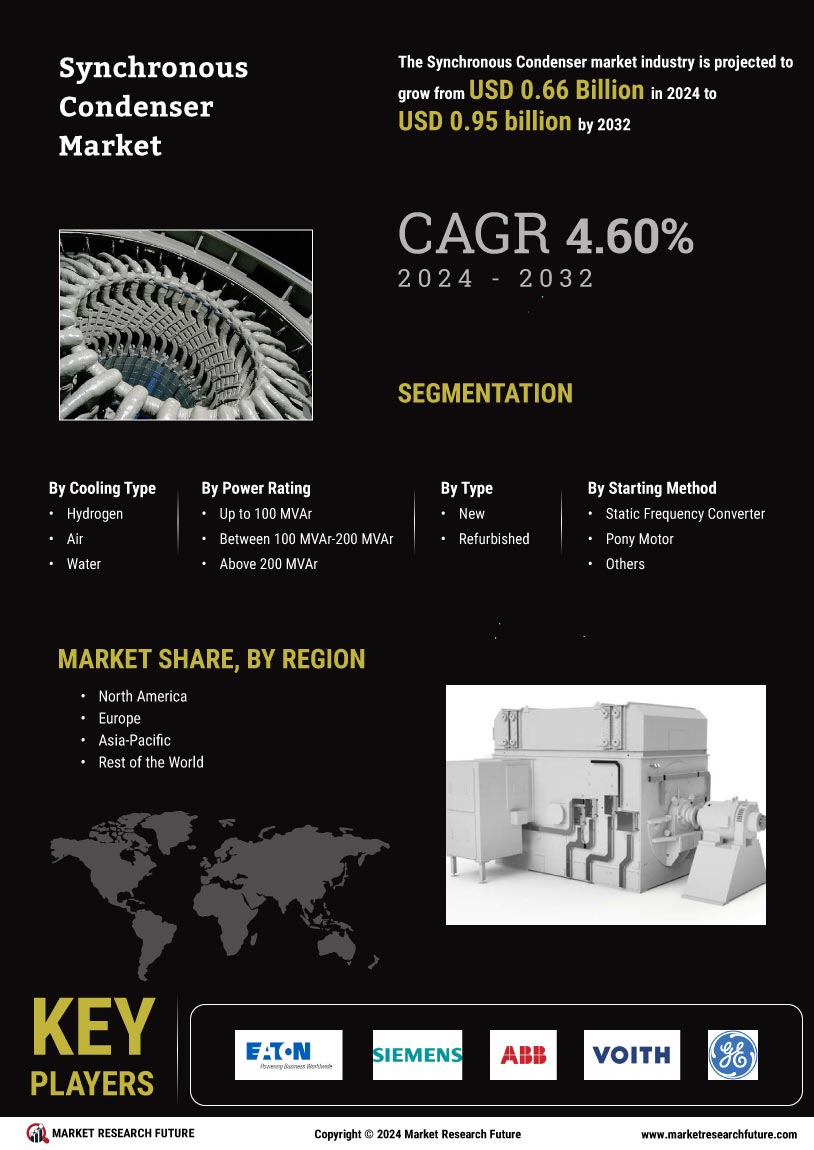
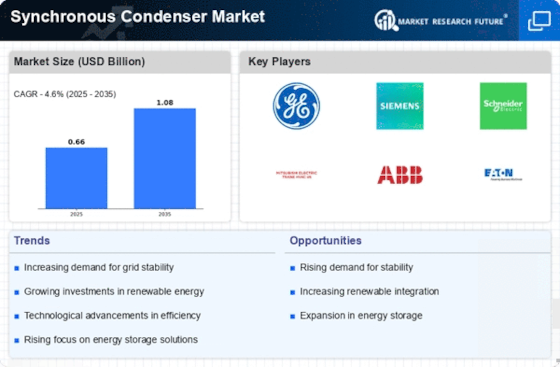
A synchronous condenser is an electromechanical device used in electrical power systems mainly to improve power factor, voltage regulation, dampening of mechanical oscillations and buffering the reactive power demands of the system. The synchronous condenser has a wide range of applications across various industries such as power generation, oil and gas, metal, chemical and mining. The growth of the synchronous condenser market is attributed to factors such as the high demand for power, the growing number of legislations in order to reduce GHG emissions, the installation of renewable energy sources, need for grid reliability and sustainability.
Scope of the Study
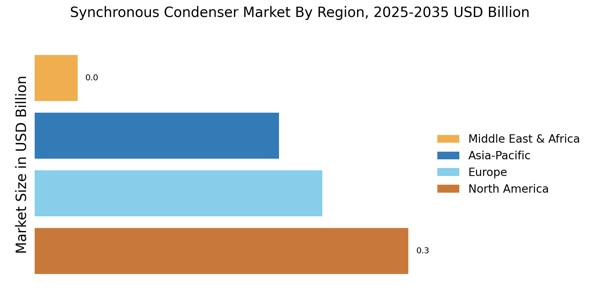
This research report will provide a comprehensive study of the global synchronous condenser market with detailed information on market segmentation in terms of application, geography and region. In addition, Porter’s Five Force Analysis, value chain analysis, market dynamics including market drivers, restraints and opportunities, competitive landscape and company profiles of key players are also included for a better understanding of the global synchronous condenser market.
Research Methodology
The primary goal of this research study is to provide an in-depth analysis of the global synchronous condenser market and the various factors that influence it. The market analysis is conducted using both primary and secondary research methods. Primary research included a wide array of activities such as interviews with industry experts, surveys and focus groups. Secondary research included studying analyst reports, company websites and other secondary sources. This research study was conducted using a combination of top-down and bottom-up approaches.
Data Collection and Analysis
Data collected for the research study was used to form an opinion about the industry trends, product pricing strategies, market size and potential users. The data was collected from a variety of sources including primary and secondary research. Primary sources such as interviews, industry experts and industry analysts were used to gain insights and perspectives about the industry and market. Secondary sources included industry reports, technical journals, company websites and company data.
All of the qualitative and quantitative data collected for the research study was analyzed and used to form an opinion on the market for synchronous condensers. Statistical techniques such as mean, average, median, mode and standard deviation were used to analyze the data. For qualitative data, content analysis and theme identification were used to develop a clear understanding of the industry and market.
Market Forecasting
To forecast the market for synchronous condensers, several assumptions were taken into account for various factors such as market growth rate, market drivers and restraints, market size, demand and supply analysis and competitive landscape. These assumptions were made after thoroughly analyzing the market and its key players’ strategies.
After analyzing the assumptions and data, a market forecast was made to analyze the market size and expected growth rate. An in-depth and comprehensive market analysis was conducted to estimate the expected value for the synchronous condenser market in the next few years.
Conclusion
This research study provides an in-depth analysis of the global synchronous condenser market. It covers the market dynamics, segmentation and geographical information of the market. It concludes with a market forecast (2023 -2030) which provides an estimated value for the synchronous condenser market in the next few years. The information provided in this research report is reliable and can be used to make sound decisions in the synchronous condenser industry.