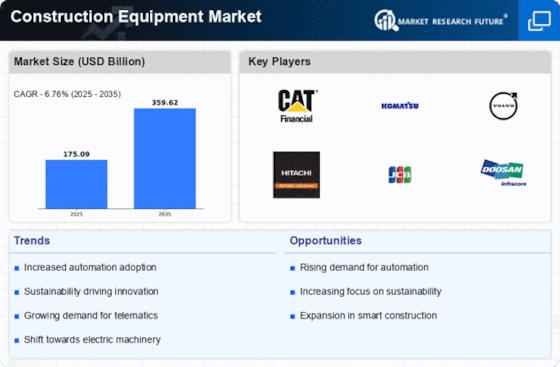
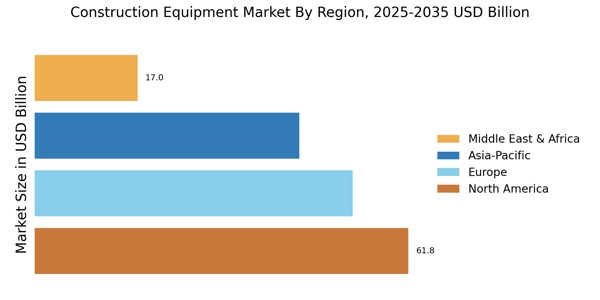
Research Methodology on Construction Equipment Market
This research article has been written based on an extensive study of different aspects of the Construction Equipment market. The research process was initiated with an understanding of the key performance indicators of this market like production, sales, and pricing. The primary objective of this research report is to provide an overall outlook on the prevailing trends and the market structure with the market forecast for 2023 to 2030. As a result, the research methodology involves studying the factors that are influencing the market’s dynamics and drivers.
Primary Data Collection
The primary research activities of this research report are supported by a comprehensive database of industry-related information that was gathered from both online and offline sources. This data was first used to refine the current market context and then used to gain insight into the current market trends. To obtain the appropriate data to conduct this research, the primary data included competitor reports, interviews with industry experts, and reports related to market structure and trends.
Secondary Data Sources
Secondary data is used to support primary research activities and is obtained from a wide range of sources. These sources include company websites, trade associations, global industry trends, government reports, market reports, reports from industry experts, and other reliable sources. The data sources used for conducting this research report include:
- Market research reports: We refer to the industry-related reports generated by prominent companies such as Butler, Ibis World, McKinsey & Company, KPMG, and others.
- Online data: Online resources such as databases like Hoovers, Factiva, and Thomson One are utilized to obtain current market trends.
- Surveys: Surveys are conducted among the key players in the Construction Equipment market to gain an understanding of their market strategies, pricing policies, product portfolio, and others.
- Interviews: Interviews with prominent companies in the Construction Equipment market were conducted through telephone and online channels to get first-hand information and insights about the market.
Data Analysis
Once the data collection activities have been completed, the data is then analyzed using various tools and techniques. The tools used for data analysis include:
- Statistical data analysis: Statistical data analysis is employed to evaluate the numerical data obtained through the different sources of data collection and better understand the various factors at play in the Construction Equipment market.
- Correlation analysis: Correlation analysis is employed to better understand the relationships between the different factors that are influencing the market dynamics.
- Trend analysis: Trend analysis is also employed to assess the market’s strengths and weaknesses and analyse current and future market opportunities.
Finally, the collected data and findings of this research report are verified and validated using the time-series analysis technique.
Structure of the Research Report
Upon the completion of the data collection and analysis activities, the findings were then structured into a comprehensive research report. The research report has been divided into 8 sections for a better understanding of the subject. They are as follows:
- Executive Summary: This is the introduction section of this research report. A brief overview of the market and the major trends and drivers influencing it has been provided here.
- Market Overview: This section provides a complete understanding of the Construction Equipment market. It includes market size and structure, segmentation, regional analysis, and a detailed analysis of major players in the market.
- Market Dynamics: This section provides an in-depth analysis of the drivers, opportunities, and challenges impacting the market growth.
- Value Chain Analysis: This section is focused on the market’s value chain and the different stakeholders that have a critical role in its functioning.
- Market Segmentation: This section provides an in-depth segmentation of the Construction Equipment market based on product types and applications.
- Regional Analysis: This section provides an in-depth analysis of the current trends in each region and their implications on the market.
- Competitive Landscape: This section provides a detailed analysis of the competitive landscape of the Construction Equipment market in each region.
- Company Profiles: This section provides an in-depth analysis of the different players in each region. It includes their performance, product portfolio, strategies, and key financials.
Conclusion
The research methodology employed in this research report is aimed to provide an in-depth understanding of the Construction Equipment market. By studying the current trends and drivers and assessing the regional and global outlook of the market, the research methodology is designed to equip the reader with the knowledge and insights that can be used to make informed decisions about the market for the construction equipment market.