Research Methodology on Building Thermal Insulation Market
Introduction
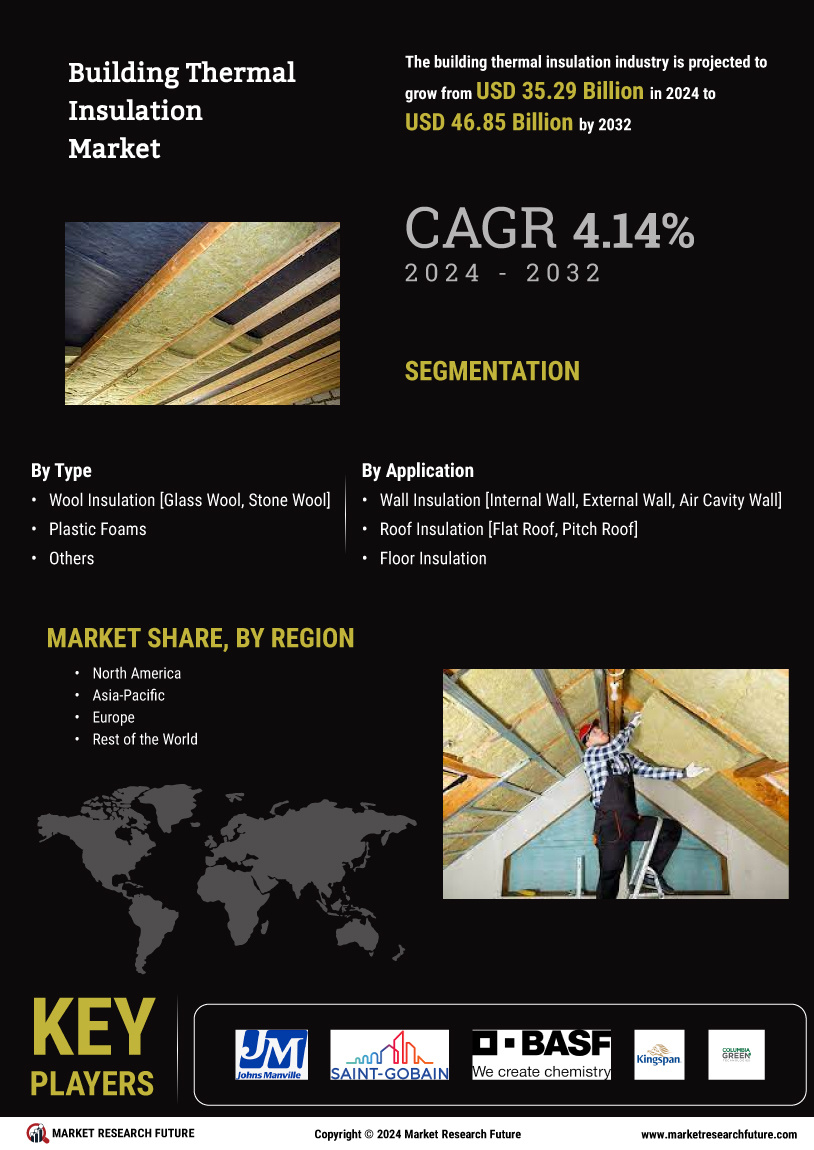
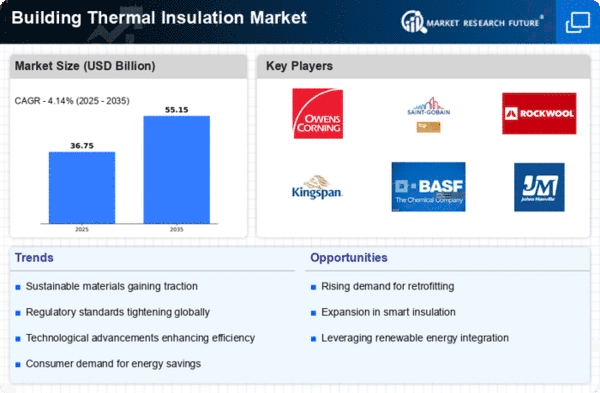
The building Thermal Insulation Market is considered one of the rapidly growing markets globally. The market is likely to display strong growth over the forecast period of 2023-2030.
Thermal insulation is used to prevent heat from escaping or entering the house by preventing contact with air. Thermal insulation is used for both hot and cold climates to reduce heating and cooling costs. Thermal insulation also improves thermal comfort and increases the energy efficiency of buildings.
Research Methodology
This research report aims to focus on the Building Thermal Insulation Market and get a comprehensive understanding of the market and its dynamics. A qualitative and quantitative analysis of the industry has been conducted based on current market trends and information available through secondary and primary research.
Information Procurement Process
Data has been collected from primary and secondary sources. Secondary sources include newspapers, online portals, research papers, company websites, government sources and financial reports. This research conducted consists of interviews with industry experts including key opinion leaders, market consultants, technology experts, CEOs of key market players and senior executives.
The primary sources of gathering information are in-depth market surveys conducted with key market players on their product portfolios, company profiles and annual financial reports. Moreover, other field experts have also been consulted during the preparation of this report. The top-down and bottom-up approaches have been used to determine the market size of the Building Thermal Insulation Market
It has also been ascertained with the lucrative opportunities in the market and assimilating the same. The technique of triangulation has been used for validating the collected data on the market based on the supply side, demand side and dynamics of the Building Thermal Insulation Market.
Approaches Used
The techniques used in the research are divided into two categories such as data gathering techniques and analysis techniques.
Data Gathering Techniques
Primary Research
Primary research was conducted to gain insight into the market conditions and other related information from industry experts. Primary research was used to assess the current state of the market and to determine the future prospects of the market. This was done by conducting in-depth interviews with various industry experts such as key opinion leaders, experts from the industry, traders, vendors, and suppliers. This primary research was conducted to understand the market dynamics and wide-ranging scenario of the Building Thermal Insulation Market.
Secondary Research
The secondary research process involves identifying and collecting data through existing and publicly available sources of information. Secondary sources of information used include national and regional government publications, industry reports, financial reports, online databases, and other publicly available sources such as the internet, and libraries. This research leveraged secondary data sources to understand the challenges, trends, and opportunities associated with the Building Thermal Insulation Market.
Analysis Techniques
Factor Analysis
In this process, a series of factors were considered which may impact the performance of the Building Thermal Insulation market. Depending on market conditions, several factors are affected. Factors related to market performance are considered. In addition to that, different assumptions were made to identify the effect of various components on the market.
Top-down & Bottom-up Approach
The top-down and bottom-up approaches have been used to estimate the global Building Thermal Insulation Market. The top-down approach includes analyzing the market dynamics and size by predicting the market size, with the help of the data obtained through the estimation of the number of products sold by the key market players.
Time Series Analysis
Time series analysis helps in analyzing historical data related to the Building Thermal Insulation Market along with the present trend and future outlook of the market. This helps in developing an understanding of past and present market trends and a basis for forecasting and predicting future market trends.
Demand Side & Supply Side Data Triangulation
Demand side and supply side triangulation refers to observing the market from the requirements’ perspective thereby estimating the total addressable market (TAM), remaining addressable market (RAM) and penetrated market (PM). This helps in predicting the overall market size and turning it into opportunities for new entrants. This triangulation is used to understand both the demand and supply side of the market.
Conclusion
The research methodology followed in getting an insight into the Building Thermal Insulation Market has been explained in this report. Data has been collected from both primary and secondary research sources. Various market approaches such as factor analysis, time-series analysis, top-down approach, bottom-up approach, demand side and supply side data triangulation have been used to consider all the factors influencing the market. This report aims to provide a comprehensive study of this sector to gain an understanding of the market dynamics and the trends influencing it.