Research Methodology on Biofungicides Market
Introduction
Research methodology is part and parcel of our daily life. No matter whether in academic research, business decision, or in the everyday life, research methodology provides structure to our activities. Without the direction provided by a research methodology, research would be haphazard and the researcher would be prone to making false conclusions.
The research methodology to be used for this research project on the Biofungicides Market is designed to give a semi-structured approach towards obtaining and analyzing reliable and relevant data. It is important to understand that the research methodology should include data collection procedures, sampling, data analysis techniques, interpretations and conclusions.
Aims and Objectives
The aim of this project is to study the current trends in the Biofungicides Market and to analyze its potential for further growth. To achieve this, the following specific objectives have been outlined:
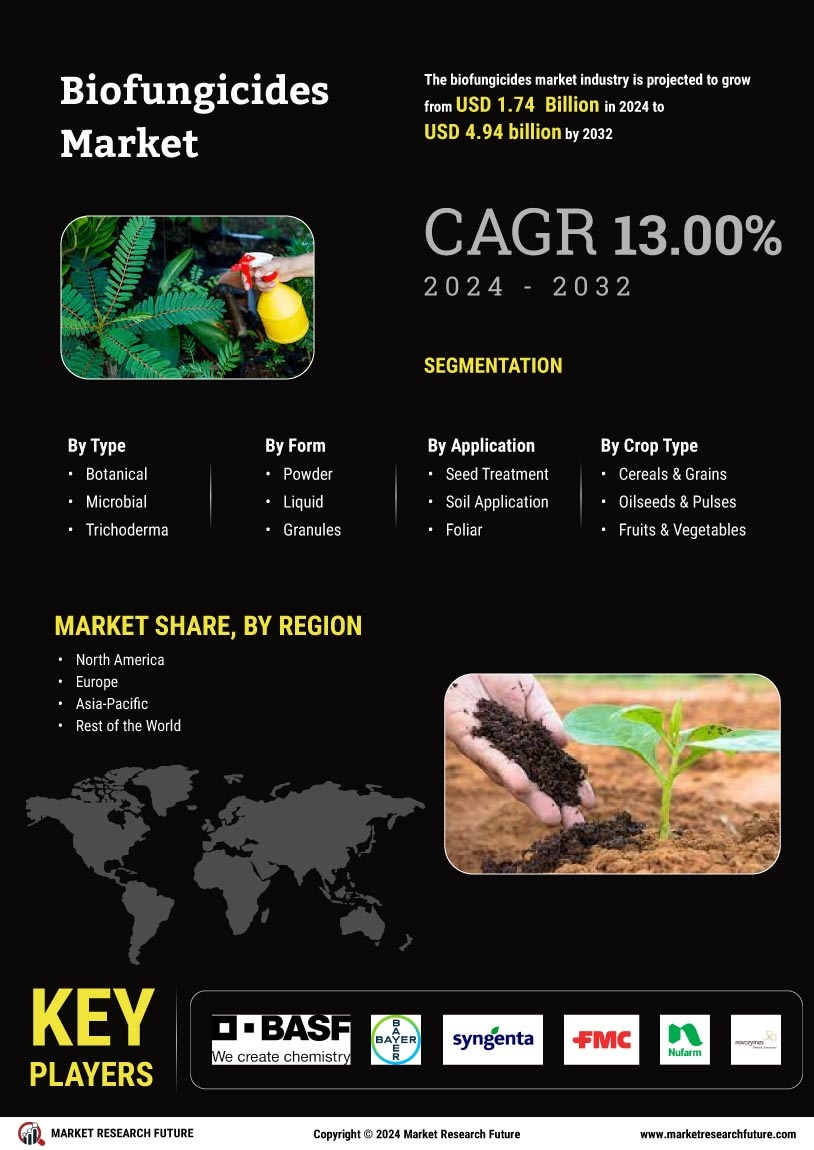
- To identify the key players in the global Biofungicides Market
- To provide an in-depth understanding of the market dynamics
- To study the competitive landscape among the major players in the market
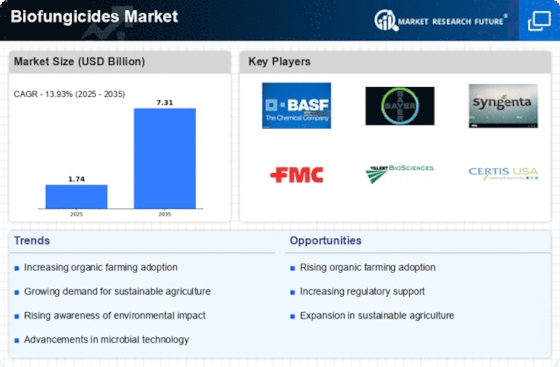
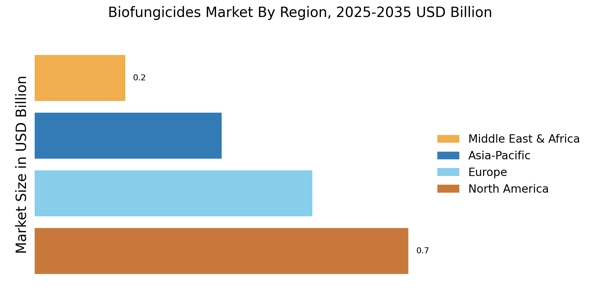
- To analyze the market size, sales volume, market potential and future growth opportunities
Research Approach
The research approach for this project is a combination of quantitative and qualitative research. The quantitative approach involves researching the current trends in the Biofungicides Market and projecting future sales and market potential. On the other hand, the qualitative approach involves an analysis of the impact of current market dynamics on the growth of the Biofungicides Market.
Data Sources
The data sources that will be used to conduct this market research are primary and secondary sources. The primary data sources include interviews, surveys and focus groups, while secondary data sources include industry reports, government reports, business journals, and other published materials.
Research Tools
The research tools used to conduct this study are descriptive tools, predictive tools and statistical analysis. Descriptive tools such as market segmentation and market positioning will be used to analyze the current trends in the Biofungicides Market. Predictive tools such as trend analysis and regression will be used to project market size and market potential. Finally, statistical analysis will be used to validate the findings of the research and provide reliable insights about the current and future state of the Biofungicides Market.
Sample Selection
The sample selection for this study will involve taking a random sample of both current and potential customers from the Biofungicides Market. A sampling frame of the target markets such as small-scale farmers, large-scale farmers, agricultural cooperatives, retail outlets and specialist retailers will be created. An electronic survey will be administered to these participants in order to collect relevant data.
Data Analysis
The data collected from the surveys and interviews will be analyzed using appropriate statistical tools. Data analysis techniques like frequency tables, descriptive statistics, regression and correlation will be used. These techniques will help to uncover patterns and trends in the survey data that can be used to draw meaningful conclusions about the Biofungicides Market.
Conclusion
This research report will provide a comprehensive overview of the current status of the global Biofungicides Market and will also provide insights into future growth opportunities. The research methodology outlined in this report will be used to collect and analyze relevant data in a meaningful manner. This methodology will ensure that the results of the research are reliable and valid and will provide valuable insights into the future of the Biofungicides Market.