Aging Population
The demographic shift towards an aging population is significantly influencing the Zinc Supplement Market. Older adults often face nutritional deficiencies, including inadequate zinc levels, which can lead to various health issues. As the population aged 65 and above continues to expand, the demand for supplements that support immune health and cognitive function is expected to rise. Market data indicates that the elderly segment constitutes a substantial portion of supplement consumers, with many seeking zinc to mitigate age-related health concerns. This trend suggests that the Zinc Supplement Market will likely expand as manufacturers tailor products to meet the specific needs of older adults.
E-commerce Expansion
The rapid expansion of e-commerce platforms is transforming the retail landscape for the Zinc Supplement Market. Online shopping offers consumers convenience and access to a wider range of products, including various zinc supplements. Recent data suggests that online sales of dietary supplements have surged, with e-commerce accounting for a significant share of the market. This shift in purchasing behavior is particularly evident among younger consumers who prefer the ease of online transactions. As e-commerce continues to grow, it is expected to play a vital role in the distribution and accessibility of zinc supplements, further driving the growth of the Zinc Supplement Market.
Innovative Product Development
Innovation in product development is a crucial factor propelling the Zinc Supplement Market. Manufacturers are increasingly introducing diverse formulations, including gummies, powders, and liquid supplements, to cater to varying consumer preferences. This diversification not only enhances consumer engagement but also broadens the market reach. Recent trends show that flavored and easy-to-consume zinc supplements are gaining popularity, particularly among younger demographics. As companies invest in research and development to create unique and effective products, the Zinc Supplement Market is likely to experience a surge in demand, driven by consumer interest in novel supplement formats.
Rising Incidence of Chronic Diseases
The increasing prevalence of chronic diseases is a notable driver for the Zinc Supplement Market. Conditions such as diabetes, cardiovascular diseases, and respiratory infections have been linked to low zinc levels, prompting consumers to seek supplements as a preventive measure. Recent statistics indicate that chronic diseases affect a significant portion of the population, leading to a heightened focus on nutritional interventions. As healthcare professionals recommend zinc supplementation to support overall health and manage chronic conditions, the Zinc Supplement Market is poised for growth. This trend underscores the importance of zinc in disease management and health maintenance.
Increasing Awareness of Zinc Benefits
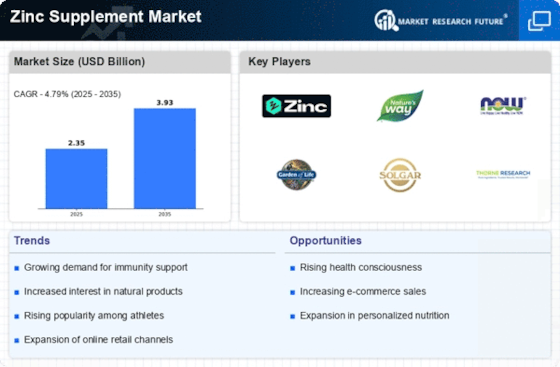
The rising awareness regarding the health benefits of zinc is a pivotal driver for the Zinc Supplement Market. Consumers are increasingly informed about the role of zinc in immune function, wound healing, and overall health. This heightened awareness is reflected in the growing demand for dietary supplements containing zinc. According to recent data, the zinc supplement segment has experienced a compound annual growth rate of approximately 7% over the past few years. As more individuals seek to enhance their health through supplementation, the Zinc Supplement Market is likely to witness sustained growth, driven by educational campaigns and health initiatives that emphasize the importance of adequate zinc intake.