×
Request Free Sample ×

Kindly complete the form below to receive a free sample of this Report

* Please use a valid business email

Leading companies partner with us for data-driven Insights

clients tt-cursor
Hero Background
English
Chinese
French
Japanese
Korean
German
Spanish

Semiconductor Wafer Market Analysis

ID: MRFR/SEM/1162-HCR
110 Pages
Ankit Gupta
February 2026

Semiconductor Wafer Market Size, Share and Research Report By Process (BEOL, FEOL), by Application (Consumer Electronics, IT, Healthcare, BFSI, Telecom, Automotive), And By Region (North America, Europe, Asia-Pacific, And Rest Of The World) – Industry Forecast Till 2035

Share:
Download PDF ×

We do not share your information with anyone. However, we may send you emails based on your report interest from time to time. You may contact us at any time to opt-out.

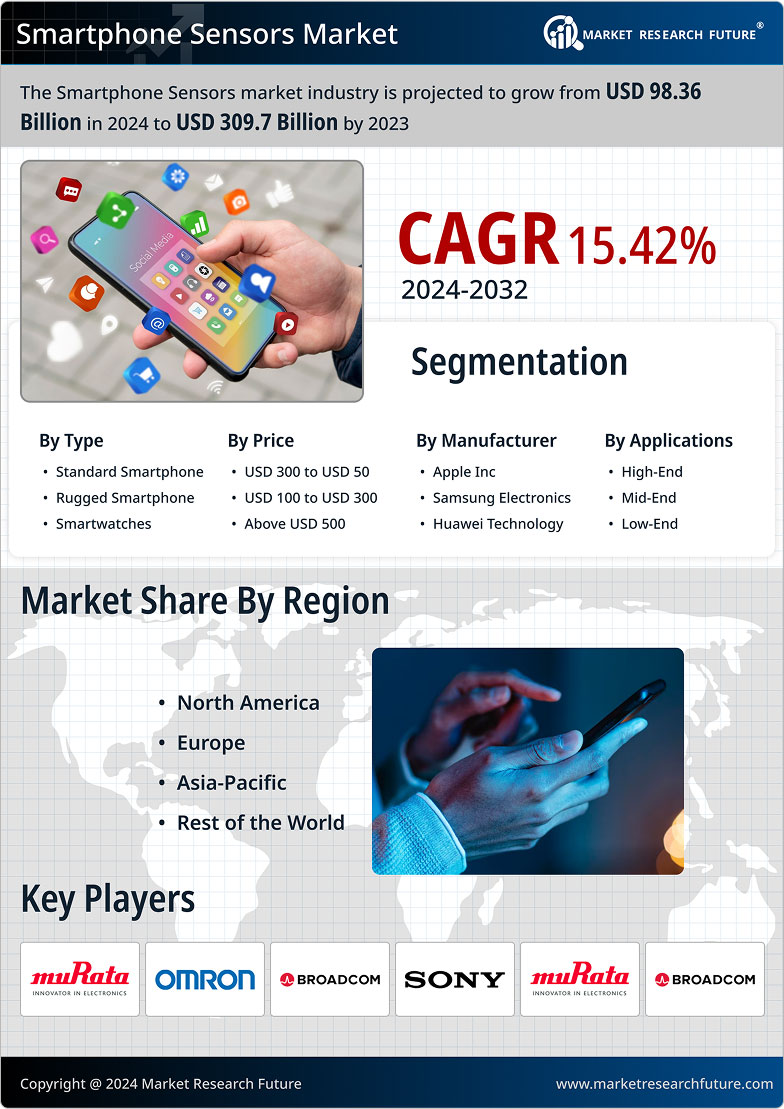
Semiconductor Wafer Market Infographic
Purchase Options

Market Analysis

In-depth Analysis of Semiconductor Wafer Market Industry Landscape

Within the larger electronics industry, the semiconductor wafer business is an essential sector that is critical to the production of integrated circuits, which power a wide range of electronic products. The dynamics of the in this industry are influenced by technical breakthroughs, and the rising demand for advanced electronic devices. The ongoing development of semiconductor manufacturing technologies is one important element influencing the market. Manufacturers are driven by technological advancements to use novel and optimized manufacturing techniques, resulting in an ongoing cycle of invention and enhancement. An essential component of the semiconductor business are silicon wafers. Every chipmaker needs to buy them in one way or another. Chip manufacturers create chips from the raw silicon wafers that silicon wafer suppliers produce and sell to them. Additionally, increasing SSD usage due to high-performance computing and cloud computing trends is expected to drive up demand for memory industry silicon wafers. Over the projected period, the industry is anticipated to grow rapidly overall. In developing countries such as China, the semiconductor sector has also greatly benefited from supportive government laws; this is expected to expand the semiconductor silicon wafer marketplace's scope throughout the research year. As consumer expectations for faster, smaller, and more powerful devices increase, semiconductor manufacturers must produce wafers with higher processing power and greater energy efficiency. This demand for advanced technology constantly propels innovation in the semiconductor wafer market. For example, trade tensions between major economies can lead to tariff impositions, affecting the cost structure of semiconductor manufacturing and, consequently, influencing market dynamics. In the automobile industry, silicon wafers are vital to improve safety, lessen environmental effects, and automate vehicle operation. Additionally, because power semiconductors can withstand high voltage and high currents and decrease power consumption, they are aiding in the stabilization of the electric power supply, mostly to electronic equipment. Additionally, silicon wafers aid in controlling motor drive settings from high to moderate speeds. Because they are energy-efficient transistors, power may be transferred more effectively between generators and transmission lines. These kinds of elements support market expansion."

Author
Ankit Gupta
Team Lead - Research

Ankit Gupta is a seasoned market intelligence and strategic research professional with over six plus years of experience in the ICT and Semiconductor industries. With academic roots in Telecom, Marketing, and Electronics, he blends technical insight with business strategy. Ankit has led 200+ projects, including work for Fortune 500 clients like Microsoft and Rio Tinto, covering market sizing, tech forecasting, and go-to-market strategies. Known for bridging engineering and enterprise decision-making, his insights support growth, innovation, and investment planning across diverse technology markets.

Leave a Comment

FAQs

What is the projected market valuation of the Semiconductor Wafer Market by 2035?

<p>The projected market valuation for the Semiconductor Wafer Market is expected to reach 19037.2 USD Million by 2035.</p>

What was the market valuation of the Semiconductor Wafer Market in 2024?

<p>The overall market valuation of the Semiconductor Wafer Market was 13232.2 USD Million in 2024.</p>

What is the expected CAGR for the Semiconductor Wafer Market during the forecast period 2025 - 2035?

<p>The expected CAGR for the Semiconductor Wafer Market during the forecast period 2025 - 2035 is 3.36%.</p>

Which application segment had the highest valuation in the Semiconductor Wafer Market?

<p>The Consumer Electronics segment had the highest valuation, ranging from 4000.0 to 5500.0 USD Million.</p>

What are the projected valuations for the 300mm wafer size segment by 2035?

<p>The projected valuations for the 300mm wafer size segment are expected to range from 8000.0 to 12000.0 USD Million.</p>

Which material type is anticipated to dominate the Semiconductor Wafer Market?

<p>Silicon is anticipated to dominate the Semiconductor Wafer Market, with projected valuations between 8000.0 and 11500.0 USD Million.</p>

What is the expected performance of the Photolithography technology segment by 2035?

The Photolithography technology segment is expected to perform well, with projected valuations between 4000.0 and 5500.0 USD Million.

Which end-use industry is projected to have the highest valuation in the Semiconductor Wafer Market?

The Electronics end-use industry is projected to have the highest valuation, ranging from 7920.0 to 11300.0 USD Million.

Who are the key players in the Semiconductor Wafer Market?

Key players in the Semiconductor Wafer Market include Taiwan Semiconductor Manufacturing Company, Samsung Electronics, and Intel Corporation.

What is the projected valuation range for the Automotive application segment by 2035?

The projected valuation range for the Automotive application segment is expected to be between 2500.0 and 3500.0 USD Million.

Market Summary

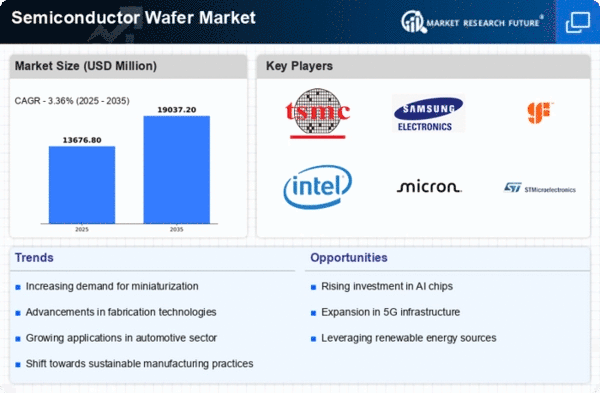
As per MRFR analysis, the Semiconductor Wafer Market Size was estimated at 13232.2 USD Million in 2024. The Semiconductor Wafer industry is projected to grow from 13677.07 USD Million in 2025 to 19037.2 USD Million by 2035, exhibiting a compound annual growth rate (CAGR) of 3.36% during the forecast period 2025 - 2035.

Key Market Trends & Highlights

The Semiconductor Wafer Market is poised for robust growth driven by technological advancements and increasing demand across various sectors.

  • North America remains the largest market for semiconductor wafers, driven by significant investments in technology and innovation. The Asia-Pacific region is currently the fastest-growing market, fueled by rapid industrialization and increasing consumer electronics demand. The consumer electronics segment dominates the market, while the automotive segment is experiencing the fastest growth due to the rise of electric vehicles. Key market drivers include the rising demand for consumer electronics and the expansion of 5G infrastructure, which are propelling the semiconductor wafer industry forward.

Market Size & Forecast

2024 Market Size 13232.2 (USD Million)
2035 Market Size 19037.2 (USD Million)
CAGR (2025 - 2035) 3.36%
Largest Regional Market Share in 2024 Asia-Pacific

Major Players

Taiwan Semiconductor Manufacturing Company (TW), Samsung Electronics Co. Ltd. (KR), GlobalFoundries Inc. (US), Intel Corporation (US), Micron Technology Inc. (US), STMicroelectronics N.V. (FR), NXP Semiconductors N.V. (NL), SK Hynix Inc. (KR), Renesas Electronics Corporation (JP)

Market Trends

The Semiconductor Wafer Market is currently experiencing a dynamic evolution, driven by the increasing demand for advanced electronic devices and the proliferation of technologies such as artificial intelligence and the Internet of Things. This market appears to be characterized by a growing emphasis on miniaturization and enhanced performance, which necessitates the development of high-quality wafers. Manufacturers are likely focusing on innovative materials and processes to meet the stringent requirements of modern applications. Furthermore, the shift towards sustainable practices may influence production methods, as companies seek to reduce their environmental footprint while maintaining efficiency. In addition, the Semiconductor Wafer Market seems to be witnessing a surge in investments aimed at expanding production capacities and enhancing technological capabilities. This trend indicates a robust competitive landscape, where companies are striving to differentiate themselves through research and development. The ongoing advancements in semiconductor technology could potentially lead to new applications and markets, further propelling growth. As the industry adapts to changing consumer preferences and technological advancements, the Semiconductor Wafer Market is poised for continued transformation and expansion in the foreseeable future.

Sustainability Initiatives

The Semiconductor Wafer Market is increasingly prioritizing sustainability, with manufacturers exploring eco-friendly materials and processes. This trend reflects a broader commitment to reducing environmental impact while maintaining production efficiency.

Technological Advancements

Rapid technological advancements are reshaping the Semiconductor Wafer Market, as innovations in materials and fabrication techniques emerge. These developments are likely to enhance wafer performance and enable new applications.

Investment in Capacity Expansion

There appears to be a notable trend of investment in capacity expansion within the Semiconductor Wafer Market. Companies are focusing on scaling operations to meet the rising demand for semiconductors across various sectors.

Semiconductor Wafer Market Market Drivers

Market Trends and Projections

The Global Semiconductor Wafer Market Industry is characterized by various trends and projections that highlight its growth potential. As of 2024, the market value is estimated at 13.2 USD Billion, with expectations to reach 19.0 USD Billion by 2035. This growth trajectory reflects a compound annual growth rate of 3.36% from 2025 to 2035. Factors such as technological advancements, increasing demand for consumer electronics, and the expansion of 5G infrastructure contribute to this optimistic outlook. The market's evolution is indicative of broader trends in technology and consumer behavior, suggesting a dynamic landscape for stakeholders in the semiconductor industry.

Expansion of 5G Infrastructure

The rollout of 5G technology serves as a significant driver for the Global Semiconductor Wafer Market Industry. As telecommunications companies invest heavily in 5G infrastructure, the demand for high-performance semiconductor wafers is expected to rise. These wafers are essential for the development of 5G-enabled devices, which require advanced processing capabilities and efficient power management. The increasing number of connected devices and the demand for faster data transmission further amplify this trend. The market's growth is indicative of the broader technological shift towards enhanced connectivity, positioning the Global Semiconductor Wafer Market Industry as a critical player in the telecommunications landscape.

Emerging Applications in IoT and AI

The Global Semiconductor Wafer Market Industry is witnessing a transformative shift due to the emergence of applications in the Internet of Things (IoT) and artificial intelligence (AI). These technologies require advanced semiconductor solutions to process vast amounts of data efficiently. As industries adopt IoT devices for automation and AI for data analysis, the demand for specialized semiconductor wafers is likely to increase. This trend not only drives market growth but also encourages innovation in wafer design and manufacturing processes. The integration of IoT and AI technologies into various sectors suggests a promising future for the Global Semiconductor Wafer Market Industry, with potential for substantial revenue generation.

Growing Demand for Consumer Electronics

The Global Semiconductor Wafer Market Industry experiences a robust demand surge driven by the increasing consumption of consumer electronics. With the proliferation of smartphones, tablets, and smart home devices, the need for advanced semiconductor wafers is paramount. In 2024, the market is projected to reach 13.2 USD Billion, reflecting the industry's response to consumer preferences for high-performance electronics. This growth trajectory is likely to continue as manufacturers innovate and enhance product functionalities, thereby necessitating more sophisticated semiconductor solutions. The ongoing digital transformation across various sectors further amplifies this demand, positioning the Global Semiconductor Wafer Market Industry for sustained expansion.

Advancements in Semiconductor Technology

Technological advancements play a pivotal role in shaping the Global Semiconductor Wafer Market Industry. Innovations in wafer fabrication techniques, such as extreme ultraviolet lithography and 3D stacking, enhance the performance and efficiency of semiconductor devices. These advancements enable the production of smaller, more powerful chips, which are essential for modern applications like artificial intelligence and machine learning. As companies invest in research and development to push the boundaries of semiconductor technology, the market is poised for growth. The anticipated market value of 19.0 USD Billion by 2035 underscores the potential of these advancements to drive the industry forward.

Increasing Adoption of Electric Vehicles

The Global Semiconductor Wafer Market Industry is significantly influenced by the rising adoption of electric vehicles (EVs). As governments worldwide implement stringent emissions regulations and promote sustainable transportation, the demand for EVs is expected to soar. Semiconductor wafers are crucial components in EVs, powering everything from battery management systems to advanced driver-assistance systems. This trend is likely to contribute to a compound annual growth rate of 3.36% from 2025 to 2035, as manufacturers ramp up production to meet the growing needs of the automotive sector. The integration of semiconductor technology in EVs positions the Global Semiconductor Wafer Market Industry for substantial growth.

Market Segment Insights

By Application: Consumer Electronics (Largest) vs. Automotive (Fastest-Growing)

The Semiconductor Wafer Market is dominated by the Consumer Electronics segment, showcasing a significant share due to the extensive use of semiconductor wafers in various devices such as smartphones, tablets, and other electronic gadgets. This segment's growth is driven by the increasing demand for advanced consumer electronics equipped with cutting-edge technology and innovation, which necessitates high-performance semiconductor wafers. Meanwhile, the Automotive segment, while smaller in market share compared to Consumer Electronics, is the fastest-growing segment in the semiconductor wafer market as electric vehicles and autonomous driving technologies gain traction, requiring more sophisticated semiconductor solutions. In analyzing growth trends, it is evident that the Consumer Electronics segment thrives on the rapid pace of technological advancements and consumer demand for new innovations. This results in continuous upgrades and replacements of electronic devices, thereby increasing the consumption of semiconductor wafers. The Automotive segment is driven by the shift towards electric and connected vehicles, prompting manufacturers to invest heavily in semiconductor technologies that enhance performance and safety features, thus propelling its growth substantially in the coming years.

Consumer Electronics (Dominant) vs. Automotive (Emerging)

The Consumer Electronics segment remains the dominant force in the Semiconductor Wafer Market, characterized by substantial demand for various electronic devices that utilize advanced semiconductor technology. This segment thrives on innovation, with manufacturers continuously releasing new products that require high-quality semiconductor wafers to meet consumer expectations. Innovations in consumer electronics, such as AI integration and IoT devices, further bolster this segment's growth. In contrast, the Automotive segment is emerging rapidly, primarily driven by electrification and the integration of advanced driver-assistance systems (ADAS) in vehicles. Automakers increasingly rely on customized semiconductor solutions to enhance vehicle performance, safety, and connectivity. As both segments evolve, their characteristics will shape the future landscape of the semiconductor wafer market.

By Wafer Size: 300mm (Largest) vs. 200mm (Fastest-Growing)

The Semiconductor Wafer Market exhibits a diverse distribution of wafer sizes, with 300mm wafers holding the largest market share. These wafers are widely utilized in high-volume manufacturing processes due to their efficiency and cost-effectiveness. Meanwhile, the 200mm wafers are experiencing rapid growth as they become the preferred choice for smaller and emerging semiconductor companies, leading to increased adoption in various applications. The growth trends within the wafer size segment reveal a shift towards larger wafers, driven by advancements in technology and the demand for higher production capacity. However, the 150mm and 300mm segments continue to thrive, catering to specialized applications. The rise of 5G technology and IoT devices is propelling the demand for both 200mm and 450mm wafers in emerging markets.

200mm (Dominant) vs. 150mm (Emerging)

The 200mm wafer size remains dominant in the Semiconductor Wafer Market, primarily due to its suitability for various semiconductor applications and its established manufacturing processes. It is often preferred by companies focusing on analog and discrete components. In contrast, the 150mm wafer segment, while smaller, is emerging as a key player in niche markets such as MEMS and RF devices. This smaller wafer size is gaining traction as it meets the demands of new technologies that require customized solutions. As the industry progresses, the versatility of 200mm wafers will likely maintain its stronghold, while the 150mm segment is expected to grow in response to innovation and specific application needs.

By Material Type: Silicon (Largest) vs. Gallium Nitride (Fastest-Growing)

The semiconductor wafer market is predominantly led by silicon, which remains the largest contributor due to its extensive use in various electronic applications. Silicon wafers are highly favored for their cost-effectiveness and well-established fabrication processes. Gallium nitride, while smaller in market share compared to silicon, is emerging rapidly due to its unique properties such as high thermal conductivity and efficiency in high-power applications, appealing to the growing demand in telecom and energy sectors. Growth trends in the semiconductor wafer market are primarily driven by the technological advancements and escalating demand for energy-efficient devices. Gallium nitride is significantly gaining traction in the market, attributed to its impressive performance metrics that open up new applications in electric vehicles and 5G technology. Meanwhile, silicon continues to solidify its position as innovations in silicon-based technologies push forward, enabling broader applications and further solidification of its market dominance.

Silicon (Dominant) vs. Gallium Nitride (Emerging)

Silicon remains the dominant material in the semiconductor wafer market, primarily due to its vast array of applications ranging from microprocessors to photovoltaic cells. Its well-established infrastructure for production and recycling makes it a reliable choice for manufacturers. In contrast, gallium nitride is an emerging material that is gaining popularity, particularly in high-frequency and high-power devices. It offers superior performance in thermal management and efficiency, which is critical for modern applications such as RF amplifiers and power electronics. As the market trends shift towards more sustainable and efficient technologies, gallium nitride's role is becoming increasingly significant, positioning it as a key player for future semiconductor innovations.

By Technology: Photolithography (Largest) vs. Doping (Fastest-Growing)

<p>Within the Semiconductor Wafer Market, the distribution of market share among the various technologies reveals that Photolithography holds the largest share. This segment is crucial in the manufacturing of semiconductor devices, as it provides the precision necessary for creating intricate chip designs. Following closely behind are the Etching and Deposition technologies, which, while significant, do not match the share of Photolithography. Doping, although currently smaller in market share, is rapidly gaining traction due to advancements in semiconductor materials that enhance performance and efficiency.</p>

<p>Technology: Photolithography (Dominant) vs. Doping (Emerging)</p>

<p>Photolithography is the dominant technology within the Semiconductor Wafer Market, playing a pivotal role in defining the performance and capability of semiconductor devices. It enables manufacturers to pattern the microstructures of the wafers accurately, ensuring high yields and effective production processes. Meanwhile, Doping is emerging as a critical technology, essential for modifying the electrical properties of semiconductor materials to achieve desired performance characteristics. This technology is gaining momentum due to the increasing demand for advanced devices that require superior electrical efficiency and enhanced functionalities. As the industry shifts towards smaller geometries, the importance of Doping in semiconductor fabrication is expected to rise significantly.</p>

By End Use Industry: Electronics (Largest) vs. Medical Devices (Fastest-Growing)

<p>The Semiconductor Wafer Market is largely driven by the electronics industry, which holds the largest share in the market. This segment includes consumer electronics, computing devices, and communication technology, which are foundational in today's digital world. The increasing demand for high-performance chips in smartphones, laptops, and IoT devices continues to fuel this segment's growth and overall share in the semiconductor market. In contrast, the medical devices sector is the fastest-growing segment within the semiconductor wafer market. The rising adoption of medical technology, including diagnostic equipment and wearable health monitors, drives this growth. Innovations in health tech, coupled with advancements in semiconductor technologies, are making the medical devices segment a promising area for investment and development in the near future.</p>

<p>Electronics: Dominant vs. Medical Devices: Emerging</p>

<p>The electronics segment dominates the Semiconductor Wafer Market due to its vast applications across various consumer and industrial products. This segment leverages innovative technology to produce high-performance wafers essential for microprocessors, memory chips, and more. The constant evolution in consumer electronics has created sustained demand for advanced semiconductor solutions. On the other hand, the medical devices segment is emerging rapidly, characterized by innovation in biomedical applications such as sensors, imaging devices, and implantable technologies. As healthcare continues to integrate smart technologies, the need for specialized semiconductor wafers tailored for safety, reliability, and efficiency is becoming increasingly important. This trend highlights the potential for growth and increased investment in the medical device sector.</p>

Get more detailed insights about Semiconductor Wafer Market Research Report- Global Forecast 2035

Regional Insights

North America : Innovation and Growth Hub

North America is poised for significant growth in the semiconductor wafer market, driven by increasing demand from sectors such as automotive, consumer electronics, and telecommunications. With a market size of $3,500.0 million, the region is witnessing a surge in investments aimed at enhancing manufacturing capabilities and technological advancements. Regulatory support for domestic production and innovation is further catalyzing this growth, ensuring a robust market environment. The United States leads the North American market, hosting key players like Intel Corporation and Micron Technology Inc. These companies are at the forefront of technological advancements, focusing on next-generation semiconductor solutions. The competitive landscape is characterized by strategic partnerships and collaborations aimed at enhancing production efficiency and meeting the growing demand. As the region continues to innovate, it solidifies its position as a global leader in semiconductor manufacturing.

Europe : Emerging Semiconductor Powerhouse

Europe is emerging as a significant player in the semiconductor wafer market, with a market size of $2,500.0 million. The region is experiencing growth driven by increasing investments in research and development, particularly in green technologies and digital transformation. Regulatory frameworks aimed at boosting local production and reducing dependency on imports are pivotal in shaping the market landscape, fostering innovation and competitiveness. Leading countries such as Germany, France, and the Netherlands are at the forefront of this growth, hosting major players like STMicroelectronics N.V. and NXP Semiconductors N.V. The competitive landscape is marked by a focus on sustainability and advanced manufacturing techniques. As Europe strengthens its semiconductor ecosystem, it is well-positioned to meet the rising global demand for high-quality wafers. "The European semiconductor industry is crucial for our digital future and must be supported to ensure its global competitiveness."

Asia-Pacific : Dominant Market Leader

Asia-Pacific dominates the semiconductor wafer market with a staggering market size of $8,000.0 million, accounting for the majority share in 2024. The region's growth is fueled by rapid technological advancements, increasing demand for consumer electronics, and significant investments in semiconductor manufacturing. Countries are implementing favorable policies to attract foreign investments, further enhancing the market's growth trajectory. China, South Korea, and Japan are the leading countries in this region, hosting major players like Taiwan Semiconductor Manufacturing Company and Samsung Electronics Co. Ltd. The competitive landscape is characterized by aggressive R&D initiatives and collaborations among industry leaders to innovate and improve production efficiency. As the region continues to expand its capabilities, it remains a critical hub for semiconductor wafer production.

Middle East and Africa : Emerging Market Potential

The Middle East and Africa region is gradually emerging in the semiconductor wafer market, with a market size of $732.2 million. Growth is driven by increasing investments in technology and infrastructure, as well as a rising demand for electronic devices. Governments are focusing on developing local manufacturing capabilities to reduce reliance on imports, which is expected to catalyze market growth in the coming years. Countries like South Africa and the UAE are leading the charge, with initiatives aimed at fostering innovation and attracting foreign investments. The competitive landscape is still developing, with opportunities for new entrants and local players to establish a foothold. As the region enhances its technological capabilities, it is poised to capture a larger share of The Semiconductor Wafer.

Key Players and Competitive Insights

The Semiconductor Wafer Market is characterized by intense competition and rapid technological advancements, driven by the increasing demand for high-performance chips across various sectors, including consumer electronics, automotive, and telecommunications. Major players such as Taiwan Semiconductor Manufacturing Company (TW), Samsung Electronics Co. Ltd. (KR), and Intel Corporation (US) are at the forefront, each adopting distinct strategies to enhance their market positioning. For instance, Taiwan Semiconductor Manufacturing Company (TW) focuses on innovation and advanced manufacturing processes, while Samsung Electronics Co. Ltd. (KR) emphasizes vertical integration and expanding its foundry services. These strategies collectively contribute to a competitive landscape that is both dynamic and multifaceted, as companies strive to meet the evolving needs of their customers.
Key business tactics within the Semiconductor Wafer Market include localizing manufacturing and optimizing supply chains to enhance efficiency and responsiveness. The market structure appears moderately fragmented, with several key players exerting considerable influence. This fragmentation allows for a diverse range of offerings, yet the collective strength of major companies shapes the competitive dynamics, as they leverage their resources and capabilities to gain market share.
In November 2025, Intel Corporation (US) announced a strategic partnership with a leading AI firm to enhance its semiconductor design capabilities. This collaboration is expected to accelerate the development of next-generation chips, positioning Intel to better compete in the rapidly evolving AI landscape. The strategic importance of this move lies in Intel's recognition of the growing intersection between AI and semiconductor technology, which could redefine its product offerings and market relevance.
In October 2025, Samsung Electronics Co. Ltd. (KR) unveiled plans to invest $15 billion in expanding its semiconductor fabrication facilities in South Korea. This investment aims to increase production capacity and enhance technological capabilities, particularly in the production of advanced nodes. The significance of this expansion is underscored by the increasing global demand for high-performance chips, which necessitates robust manufacturing capabilities to maintain competitive advantage.
In September 2025, GlobalFoundries Inc. (US) launched a new initiative focused on sustainability, committing to reduce its carbon footprint by 50% by 2030. This initiative reflects a broader trend within the industry towards sustainable practices, which are becoming increasingly important to stakeholders. The strategic importance of this commitment lies in its potential to enhance GlobalFoundries' brand reputation and appeal to environmentally conscious customers, thereby differentiating it in a crowded market.
As of December 2025, current competitive trends in the Semiconductor Wafer Market are heavily influenced by digitalization, sustainability, and the integration of AI technologies. Strategic alliances are increasingly shaping the landscape, as companies recognize the need for collaboration to drive innovation and address complex challenges. Looking ahead, competitive differentiation is likely to evolve from traditional price-based competition to a focus on innovation, technological advancements, and supply chain reliability, as companies strive to meet the demands of a rapidly changing market.

Key Companies in the Semiconductor Wafer Market include

Industry Developments

Qualcomm formed a strategic partnership with Google in May 2023, to create samples and software for next generation consumer electronics using Qualcomm’s Snapdragon processor.

Intel, which is responsible for producing computer microchips, released its Alder Lake chip that combines two types of cores – high performance and high efficiency – aimed at optimizing power consumption.

In January 2024, Wolfspeed Inc. announced additional details on an ongoing supply contract for silicon carbide wafers with one of the largest chip manufacturers in the world worth about 275 million dollars, under which Wolfspeed will deliver approximately 150mm bare and epitaxial silicon carbide wafers as agreed upon. This move demonstrates both firms’ shared commitment to replacing Si power semiconductors by SiC ones in the market.

TSMC, a Taiwanese semiconductor company that makes chips for Apple Inc., revealed its intention in January 2023 to construct a new factory for semiconductors in Japan at an approximate investment cost of $12bn aiming to support global manufacturing expansion.

Nidec Instruments Corporation - August 2023 – A wholly-owned subsidiary of Nidec corporation, NIDECS-SEMITRANS Corporation announces its latest robot transfer system for handling semiconductor wafers.

Taiwanese integrated circuit foundry service provider Vanguard International Semiconductor Corporation (VIS), together with NXP Semiconductors N.V., a well-known Dutch manufacturer of semiconductors, has agreed to establish an ultra-modern Singaporean semiconductor wafer production facility running from 130nm to 40nm. Worth $7.8bn, it will be dedicated to producing mixed-signal, power management, and analog products ranging from 40nm to 130μm for its clients in the automotive, industrial, consumer electronics, and mobile markets, amongst others.

In June 2023, Lam Research - an American wafer fabrication manufacturer – developed Coronus DX that would enable a single-step deposition of a proprietary protective film coating on both sides of the wafer edge, thereby preventing damage and defects frequently occurring during advanced semiconductor manufacturing.

Future Outlook

Semiconductor Wafer Market Future Outlook

The Semiconductor Wafer Market is projected to grow at a 3.36% CAGR from 2025 to 2035, driven by advancements in technology, increasing demand for electronics, and the rise of renewable energy applications.

New opportunities lie in:

  • Expansion into emerging markets with tailored semiconductor solutions.
  • Development of eco-friendly wafer production processes to attract sustainability-focused clients.
  • Investment in R&amp;D for advanced materials to enhance wafer performance and reduce costs.

By 2035, the Semiconductor Wafer Market is expected to achieve robust growth, positioning itself as a critical component in global technology advancements.

Market Segmentation

Semiconductor Wafer Market Technology Outlook

  • Photolithography
  • Etching
  • Deposition
  • Doping

Semiconductor Wafer Market Wafer Size Outlook

  • 200mm
  • 300mm
  • 450mm
  • 150mm

Semiconductor Wafer Market Application Outlook

  • Consumer Electronics
  • Automotive
  • Telecommunications
  • Industrial
  • Healthcare

Semiconductor Wafer Market Material Type Outlook

  • Silicon
  • Gallium Nitride
  • Silicon Carbide
  • Indium Phosphide

Semiconductor Wafer Market End Use Industry Outlook

  • Information Technology
  • Consumer Goods
  • Automotive
  • Aerospace

Report Scope

MARKET SIZE 2024 13232.2(USD Million)
MARKET SIZE 2025 13677.07(USD Million)
MARKET SIZE 2035 19037.2(USD Million)
COMPOUND ANNUAL GROWTH RATE (CAGR) 3.36% (2025 - 2035)
REPORT COVERAGE Revenue Forecast, Competitive Landscape, Growth Factors, and Trends
BASE YEAR 2024
Market Forecast Period 2025 - 2035
Historical Data 2019 - 2024
Market Forecast Units USD Million
Key Companies Profiled Taiwan Semiconductor Manufacturing Company (TW), Samsung Electronics Co. Ltd. (KR), GlobalFoundries Inc. (US), Intel Corporation (US), Micron Technology Inc. (US), STMicroelectronics N.V. (FR), NXP Semiconductors N.V. (NL), SK Hynix Inc. (KR), Renesas Electronics Corporation (JP)
Segments Covered Application, Wafer Size, Material Type, Technology, End Use Industry
Key Market Opportunities Advancements in 5G technology drive demand for high-performance Semiconductor Wafers in telecommunications.
Key Market Dynamics Technological advancements drive demand for high-quality semiconductor wafers, influencing competitive dynamics and supply chain strategies.
Countries Covered North America, Europe, APAC, South America, MEA

FAQs

What is the projected market valuation of the Semiconductor Wafer Market by 2035?

<p>The projected market valuation for the Semiconductor Wafer Market is expected to reach 19037.2 USD Million by 2035.</p>

What was the market valuation of the Semiconductor Wafer Market in 2024?

<p>The overall market valuation of the Semiconductor Wafer Market was 13232.2 USD Million in 2024.</p>

What is the expected CAGR for the Semiconductor Wafer Market during the forecast period 2025 - 2035?

<p>The expected CAGR for the Semiconductor Wafer Market during the forecast period 2025 - 2035 is 3.36%.</p>

Which application segment had the highest valuation in the Semiconductor Wafer Market?

<p>The Consumer Electronics segment had the highest valuation, ranging from 4000.0 to 5500.0 USD Million.</p>

What are the projected valuations for the 300mm wafer size segment by 2035?

<p>The projected valuations for the 300mm wafer size segment are expected to range from 8000.0 to 12000.0 USD Million.</p>

Which material type is anticipated to dominate the Semiconductor Wafer Market?

<p>Silicon is anticipated to dominate the Semiconductor Wafer Market, with projected valuations between 8000.0 and 11500.0 USD Million.</p>

What is the expected performance of the Photolithography technology segment by 2035?

The Photolithography technology segment is expected to perform well, with projected valuations between 4000.0 and 5500.0 USD Million.

Which end-use industry is projected to have the highest valuation in the Semiconductor Wafer Market?

The Electronics end-use industry is projected to have the highest valuation, ranging from 7920.0 to 11300.0 USD Million.

Who are the key players in the Semiconductor Wafer Market?

Key players in the Semiconductor Wafer Market include Taiwan Semiconductor Manufacturing Company, Samsung Electronics, and Intel Corporation.

What is the projected valuation range for the Automotive application segment by 2035?

The projected valuation range for the Automotive application segment is expected to be between 2500.0 and 3500.0 USD Million.

  1. SECTION I: EXECUTIVE SUMMARY AND KEY HIGHLIGHTS
    1. | 1.1 EXECUTIVE SUMMARY
    2. | | 1.1.1 Market Overview
    3. | | 1.1.2 Key Findings
    4. | | 1.1.3 Market Segmentation
    5. | | 1.1.4 Competitive Landscape
    6. | | 1.1.5 Challenges and Opportunities
    7. | | 1.1.6 Future Outlook
  2. SECTION II: SCOPING, METHODOLOGY AND MARKET STRUCTURE
    1. | 2.1 MARKET INTRODUCTION
    2. | | 2.1.1 Definition
    3. | | 2.1.2 Scope of the study
    4. | | | 2.1.2.1 Research Objective
    5. | | | 2.1.2.2 Assumption
    6. | | | 2.1.2.3 Limitations
    7. | 2.2 RESEARCH METHODOLOGY
    8. | | 2.2.1 Overview
    9. | | 2.2.2 Data Mining
    10. | | 2.2.3 Secondary Research
    11. | | 2.2.4 Primary Research
    12. | | | 2.2.4.1 Primary Interviews and Information Gathering Process
    13. | | | 2.2.4.2 Breakdown of Primary Respondents
    14. | | 2.2.5 Forecasting Model
    15. | | 2.2.6 Market Size Estimation
    16. | | | 2.2.6.1 Bottom-Up Approach
    17. | | | 2.2.6.2 Top-Down Approach
    18. | | 2.2.7 Data Triangulation
    19. | | 2.2.8 Validation
  3. SECTION III: QUALITATIVE ANALYSIS
    1. | 3.1 MARKET DYNAMICS
    2. | | 3.1.1 Overview
    3. | | 3.1.2 Drivers
    4. | | 3.1.3 Restraints
    5. | | 3.1.4 Opportunities
    6. | 3.2 MARKET FACTOR ANALYSIS
    7. | | 3.2.1 Value chain Analysis
    8. | | 3.2.2 Porter's Five Forces Analysis
    9. | | | 3.2.2.1 Bargaining Power of Suppliers
    10. | | | 3.2.2.2 Bargaining Power of Buyers
    11. | | | 3.2.2.3 Threat of New Entrants
    12. | | | 3.2.2.4 Threat of Substitutes
    13. | | | 3.2.2.5 Intensity of Rivalry
    14. | | 3.2.3 COVID-19 Impact Analysis
    15. | | | 3.2.3.1 Market Impact Analysis
    16. | | | 3.2.3.2 Regional Impact
    17. | | | 3.2.3.3 Opportunity and Threat Analysis
  4. SECTION IV: QUANTITATIVE ANALYSIS
    1. | 4.1 Semiconductor & Electronics, BY Application (USD Million)
    2. | | 4.1.1 Consumer Electronics
    3. | | 4.1.2 Automotive
    4. | | 4.1.3 Telecommunications
    5. | | 4.1.4 Industrial
    6. | | 4.1.5 Healthcare
    7. | 4.2 Semiconductor & Electronics, BY Wafer Size (USD Million)
    8. | | 4.2.1 200mm
    9. | | 4.2.2 300mm
    10. | | 4.2.3 450mm
    11. | | 4.2.4 150mm
    12. | 4.3 Semiconductor & Electronics, BY Material Type (USD Million)
    13. | | 4.3.1 Silicon
    14. | | 4.3.2 Gallium Nitride
    15. | | 4.3.3 Silicon Carbide
    16. | | 4.3.4 Indium Phosphide
    17. | 4.4 Semiconductor & Electronics, BY Technology (USD Million)
    18. | | 4.4.1 Photolithography
    19. | | 4.4.2 Etching
    20. | | 4.4.3 Deposition
    21. | | 4.4.4 Doping
    22. | 4.5 Semiconductor & Electronics, BY End Use Industry (USD Million)
    23. | | 4.5.1 Electronics
    24. | | 4.5.2 Energy
    25. | | 4.5.3 Aerospace
    26. | | 4.5.4 Medical Devices
    27. | 4.6 Semiconductor & Electronics, BY Region (USD Million)
    28. | | 4.6.1 North America
    29. | | | 4.6.1.1 US
    30. | | | 4.6.1.2 Canada
    31. | | 4.6.2 Europe
    32. | | | 4.6.2.1 Germany
    33. | | | 4.6.2.2 UK
    34. | | | 4.6.2.3 France
    35. | | | 4.6.2.4 Russia
    36. | | | 4.6.2.5 Italy
    37. | | | 4.6.2.6 Spain
    38. | | | 4.6.2.7 Rest of Europe
    39. | | 4.6.3 APAC
    40. | | | 4.6.3.1 China
    41. | | | 4.6.3.2 India
    42. | | | 4.6.3.3 Japan
    43. | | | 4.6.3.4 South Korea
    44. | | | 4.6.3.5 Malaysia
    45. | | | 4.6.3.6 Thailand
    46. | | | 4.6.3.7 Indonesia
    47. | | | 4.6.3.8 Rest of APAC
    48. | | 4.6.4 South America
    49. | | | 4.6.4.1 Brazil
    50. | | | 4.6.4.2 Mexico
    51. | | | 4.6.4.3 Argentina
    52. | | | 4.6.4.4 Rest of South America
    53. | | 4.6.5 MEA
    54. | | | 4.6.5.1 GCC Countries
    55. | | | 4.6.5.2 South Africa
    56. | | | 4.6.5.3 Rest of MEA
  5. SECTION V: COMPETITIVE ANALYSIS
    1. | 5.1 Competitive Landscape
    2. | | 5.1.1 Overview
    3. | | 5.1.2 Competitive Analysis
    4. | | 5.1.3 Market share Analysis
    5. | | 5.1.4 Major Growth Strategy in the Semiconductor & Electronics
    6. | | 5.1.5 Competitive Benchmarking
    7. | | 5.1.6 Leading Players in Terms of Number of Developments in the Semiconductor & Electronics
    8. | | 5.1.7 Key developments and growth strategies
    9. | | | 5.1.7.1 New Product Launch/Service Deployment
    10. | | | 5.1.7.2 Merger & Acquisitions
    11. | | | 5.1.7.3 Joint Ventures
    12. | | 5.1.8 Major Players Financial Matrix
    13. | | | 5.1.8.1 Sales and Operating Income
    14. | | | 5.1.8.2 Major Players R&D Expenditure. 2023
    15. | 5.2 Company Profiles
    16. | | 5.2.1 Taiwan Semiconductor Manufacturing Company (TW)
    17. | | | 5.2.1.1 Financial Overview
    18. | | | 5.2.1.2 Products Offered
    19. | | | 5.2.1.3 Key Developments
    20. | | | 5.2.1.4 SWOT Analysis
    21. | | | 5.2.1.5 Key Strategies
    22. | | 5.2.2 Samsung Electronics Co. Ltd. (KR)
    23. | | | 5.2.2.1 Financial Overview
    24. | | | 5.2.2.2 Products Offered
    25. | | | 5.2.2.3 Key Developments
    26. | | | 5.2.2.4 SWOT Analysis
    27. | | | 5.2.2.5 Key Strategies
    28. | | 5.2.3 GlobalFoundries Inc. (US)
    29. | | | 5.2.3.1 Financial Overview
    30. | | | 5.2.3.2 Products Offered
    31. | | | 5.2.3.3 Key Developments
    32. | | | 5.2.3.4 SWOT Analysis
    33. | | | 5.2.3.5 Key Strategies
    34. | | 5.2.4 Intel Corporation (US)
    35. | | | 5.2.4.1 Financial Overview
    36. | | | 5.2.4.2 Products Offered
    37. | | | 5.2.4.3 Key Developments
    38. | | | 5.2.4.4 SWOT Analysis
    39. | | | 5.2.4.5 Key Strategies
    40. | | 5.2.5 Micron Technology Inc. (US)
    41. | | | 5.2.5.1 Financial Overview
    42. | | | 5.2.5.2 Products Offered
    43. | | | 5.2.5.3 Key Developments
    44. | | | 5.2.5.4 SWOT Analysis
    45. | | | 5.2.5.5 Key Strategies
    46. | | 5.2.6 STMicroelectronics N.V. (FR)
    47. | | | 5.2.6.1 Financial Overview
    48. | | | 5.2.6.2 Products Offered
    49. | | | 5.2.6.3 Key Developments
    50. | | | 5.2.6.4 SWOT Analysis
    51. | | | 5.2.6.5 Key Strategies
    52. | | 5.2.7 NXP Semiconductors N.V. (NL)
    53. | | | 5.2.7.1 Financial Overview
    54. | | | 5.2.7.2 Products Offered
    55. | | | 5.2.7.3 Key Developments
    56. | | | 5.2.7.4 SWOT Analysis
    57. | | | 5.2.7.5 Key Strategies
    58. | | 5.2.8 SK Hynix Inc. (KR)
    59. | | | 5.2.8.1 Financial Overview
    60. | | | 5.2.8.2 Products Offered
    61. | | | 5.2.8.3 Key Developments
    62. | | | 5.2.8.4 SWOT Analysis
    63. | | | 5.2.8.5 Key Strategies
    64. | | 5.2.9 Renesas Electronics Corporation (JP)
    65. | | | 5.2.9.1 Financial Overview
    66. | | | 5.2.9.2 Products Offered
    67. | | | 5.2.9.3 Key Developments
    68. | | | 5.2.9.4 SWOT Analysis
    69. | | | 5.2.9.5 Key Strategies
    70. | 5.3 Appendix
    71. | | 5.3.1 References
    72. | | 5.3.2 Related Reports
  6. LIST OF FIGURES
    1. | 6.1 MARKET SYNOPSIS
    2. | 6.2 NORTH AMERICA MARKET ANALYSIS
    3. | 6.3 US MARKET ANALYSIS BY APPLICATION
    4. | 6.4 US MARKET ANALYSIS BY WAFER SIZE
    5. | 6.5 US MARKET ANALYSIS BY MATERIAL TYPE
    6. | 6.6 US MARKET ANALYSIS BY TECHNOLOGY
    7. | 6.7 US MARKET ANALYSIS BY END USE INDUSTRY
    8. | 6.8 CANADA MARKET ANALYSIS BY APPLICATION
    9. | 6.9 CANADA MARKET ANALYSIS BY WAFER SIZE
    10. | 6.10 CANADA MARKET ANALYSIS BY MATERIAL TYPE
    11. | 6.11 CANADA MARKET ANALYSIS BY TECHNOLOGY
    12. | 6.12 CANADA MARKET ANALYSIS BY END USE INDUSTRY
    13. | 6.13 EUROPE MARKET ANALYSIS
    14. | 6.14 GERMANY MARKET ANALYSIS BY APPLICATION
    15. | 6.15 GERMANY MARKET ANALYSIS BY WAFER SIZE
    16. | 6.16 GERMANY MARKET ANALYSIS BY MATERIAL TYPE
    17. | 6.17 GERMANY MARKET ANALYSIS BY TECHNOLOGY
    18. | 6.18 GERMANY MARKET ANALYSIS BY END USE INDUSTRY
    19. | 6.19 UK MARKET ANALYSIS BY APPLICATION
    20. | 6.20 UK MARKET ANALYSIS BY WAFER SIZE
    21. | 6.21 UK MARKET ANALYSIS BY MATERIAL TYPE
    22. | 6.22 UK MARKET ANALYSIS BY TECHNOLOGY
    23. | 6.23 UK MARKET ANALYSIS BY END USE INDUSTRY
    24. | 6.24 FRANCE MARKET ANALYSIS BY APPLICATION
    25. | 6.25 FRANCE MARKET ANALYSIS BY WAFER SIZE
    26. | 6.26 FRANCE MARKET ANALYSIS BY MATERIAL TYPE
    27. | 6.27 FRANCE MARKET ANALYSIS BY TECHNOLOGY
    28. | 6.28 FRANCE MARKET ANALYSIS BY END USE INDUSTRY
    29. | 6.29 RUSSIA MARKET ANALYSIS BY APPLICATION
    30. | 6.30 RUSSIA MARKET ANALYSIS BY WAFER SIZE
    31. | 6.31 RUSSIA MARKET ANALYSIS BY MATERIAL TYPE
    32. | 6.32 RUSSIA MARKET ANALYSIS BY TECHNOLOGY
    33. | 6.33 RUSSIA MARKET ANALYSIS BY END USE INDUSTRY
    34. | 6.34 ITALY MARKET ANALYSIS BY APPLICATION
    35. | 6.35 ITALY MARKET ANALYSIS BY WAFER SIZE
    36. | 6.36 ITALY MARKET ANALYSIS BY MATERIAL TYPE
    37. | 6.37 ITALY MARKET ANALYSIS BY TECHNOLOGY
    38. | 6.38 ITALY MARKET ANALYSIS BY END USE INDUSTRY
    39. | 6.39 SPAIN MARKET ANALYSIS BY APPLICATION
    40. | 6.40 SPAIN MARKET ANALYSIS BY WAFER SIZE
    41. | 6.41 SPAIN MARKET ANALYSIS BY MATERIAL TYPE
    42. | 6.42 SPAIN MARKET ANALYSIS BY TECHNOLOGY
    43. | 6.43 SPAIN MARKET ANALYSIS BY END USE INDUSTRY
    44. | 6.44 REST OF EUROPE MARKET ANALYSIS BY APPLICATION
    45. | 6.45 REST OF EUROPE MARKET ANALYSIS BY WAFER SIZE
    46. | 6.46 REST OF EUROPE MARKET ANALYSIS BY MATERIAL TYPE
    47. | 6.47 REST OF EUROPE MARKET ANALYSIS BY TECHNOLOGY
    48. | 6.48 REST OF EUROPE MARKET ANALYSIS BY END USE INDUSTRY
    49. | 6.49 APAC MARKET ANALYSIS
    50. | 6.50 CHINA MARKET ANALYSIS BY APPLICATION
    51. | 6.51 CHINA MARKET ANALYSIS BY WAFER SIZE
    52. | 6.52 CHINA MARKET ANALYSIS BY MATERIAL TYPE
    53. | 6.53 CHINA MARKET ANALYSIS BY TECHNOLOGY
    54. | 6.54 CHINA MARKET ANALYSIS BY END USE INDUSTRY
    55. | 6.55 INDIA MARKET ANALYSIS BY APPLICATION
    56. | 6.56 INDIA MARKET ANALYSIS BY WAFER SIZE
    57. | 6.57 INDIA MARKET ANALYSIS BY MATERIAL TYPE
    58. | 6.58 INDIA MARKET ANALYSIS BY TECHNOLOGY
    59. | 6.59 INDIA MARKET ANALYSIS BY END USE INDUSTRY
    60. | 6.60 JAPAN MARKET ANALYSIS BY APPLICATION
    61. | 6.61 JAPAN MARKET ANALYSIS BY WAFER SIZE
    62. | 6.62 JAPAN MARKET ANALYSIS BY MATERIAL TYPE
    63. | 6.63 JAPAN MARKET ANALYSIS BY TECHNOLOGY
    64. | 6.64 JAPAN MARKET ANALYSIS BY END USE INDUSTRY
    65. | 6.65 SOUTH KOREA MARKET ANALYSIS BY APPLICATION
    66. | 6.66 SOUTH KOREA MARKET ANALYSIS BY WAFER SIZE
    67. | 6.67 SOUTH KOREA MARKET ANALYSIS BY MATERIAL TYPE
    68. | 6.68 SOUTH KOREA MARKET ANALYSIS BY TECHNOLOGY
    69. | 6.69 SOUTH KOREA MARKET ANALYSIS BY END USE INDUSTRY
    70. | 6.70 MALAYSIA MARKET ANALYSIS BY APPLICATION
    71. | 6.71 MALAYSIA MARKET ANALYSIS BY WAFER SIZE
    72. | 6.72 MALAYSIA MARKET ANALYSIS BY MATERIAL TYPE
    73. | 6.73 MALAYSIA MARKET ANALYSIS BY TECHNOLOGY
    74. | 6.74 MALAYSIA MARKET ANALYSIS BY END USE INDUSTRY
    75. | 6.75 THAILAND MARKET ANALYSIS BY APPLICATION
    76. | 6.76 THAILAND MARKET ANALYSIS BY WAFER SIZE
    77. | 6.77 THAILAND MARKET ANALYSIS BY MATERIAL TYPE
    78. | 6.78 THAILAND MARKET ANALYSIS BY TECHNOLOGY
    79. | 6.79 THAILAND MARKET ANALYSIS BY END USE INDUSTRY
    80. | 6.80 INDONESIA MARKET ANALYSIS BY APPLICATION
    81. | 6.81 INDONESIA MARKET ANALYSIS BY WAFER SIZE
    82. | 6.82 INDONESIA MARKET ANALYSIS BY MATERIAL TYPE
    83. | 6.83 INDONESIA MARKET ANALYSIS BY TECHNOLOGY
    84. | 6.84 INDONESIA MARKET ANALYSIS BY END USE INDUSTRY
    85. | 6.85 REST OF APAC MARKET ANALYSIS BY APPLICATION
    86. | 6.86 REST OF APAC MARKET ANALYSIS BY WAFER SIZE
    87. | 6.87 REST OF APAC MARKET ANALYSIS BY MATERIAL TYPE
    88. | 6.88 REST OF APAC MARKET ANALYSIS BY TECHNOLOGY
    89. | 6.89 REST OF APAC MARKET ANALYSIS BY END USE INDUSTRY
    90. | 6.90 SOUTH AMERICA MARKET ANALYSIS
    91. | 6.91 BRAZIL MARKET ANALYSIS BY APPLICATION
    92. | 6.92 BRAZIL MARKET ANALYSIS BY WAFER SIZE
    93. | 6.93 BRAZIL MARKET ANALYSIS BY MATERIAL TYPE
    94. | 6.94 BRAZIL MARKET ANALYSIS BY TECHNOLOGY
    95. | 6.95 BRAZIL MARKET ANALYSIS BY END USE INDUSTRY
    96. | 6.96 MEXICO MARKET ANALYSIS BY APPLICATION
    97. | 6.97 MEXICO MARKET ANALYSIS BY WAFER SIZE
    98. | 6.98 MEXICO MARKET ANALYSIS BY MATERIAL TYPE
    99. | 6.99 MEXICO MARKET ANALYSIS BY TECHNOLOGY
    100. | 6.100 MEXICO MARKET ANALYSIS BY END USE INDUSTRY
    101. | 6.101 ARGENTINA MARKET ANALYSIS BY APPLICATION
    102. | 6.102 ARGENTINA MARKET ANALYSIS BY WAFER SIZE
    103. | 6.103 ARGENTINA MARKET ANALYSIS BY MATERIAL TYPE
    104. | 6.104 ARGENTINA MARKET ANALYSIS BY TECHNOLOGY
    105. | 6.105 ARGENTINA MARKET ANALYSIS BY END USE INDUSTRY
    106. | 6.106 REST OF SOUTH AMERICA MARKET ANALYSIS BY APPLICATION
    107. | 6.107 REST OF SOUTH AMERICA MARKET ANALYSIS BY WAFER SIZE
    108. | 6.108 REST OF SOUTH AMERICA MARKET ANALYSIS BY MATERIAL TYPE
    109. | 6.109 REST OF SOUTH AMERICA MARKET ANALYSIS BY TECHNOLOGY
    110. | 6.110 REST OF SOUTH AMERICA MARKET ANALYSIS BY END USE INDUSTRY
    111. | 6.111 MEA MARKET ANALYSIS
    112. | 6.112 GCC COUNTRIES MARKET ANALYSIS BY APPLICATION
    113. | 6.113 GCC COUNTRIES MARKET ANALYSIS BY WAFER SIZE
    114. | 6.114 GCC COUNTRIES MARKET ANALYSIS BY MATERIAL TYPE
    115. | 6.115 GCC COUNTRIES MARKET ANALYSIS BY TECHNOLOGY
    116. | 6.116 GCC COUNTRIES MARKET ANALYSIS BY END USE INDUSTRY
    117. | 6.117 SOUTH AFRICA MARKET ANALYSIS BY APPLICATION
    118. | 6.118 SOUTH AFRICA MARKET ANALYSIS BY WAFER SIZE
    119. | 6.119 SOUTH AFRICA MARKET ANALYSIS BY MATERIAL TYPE
    120. | 6.120 SOUTH AFRICA MARKET ANALYSIS BY TECHNOLOGY
    121. | 6.121 SOUTH AFRICA MARKET ANALYSIS BY END USE INDUSTRY
    122. | 6.122 REST OF MEA MARKET ANALYSIS BY APPLICATION
    123. | 6.123 REST OF MEA MARKET ANALYSIS BY WAFER SIZE
    124. | 6.124 REST OF MEA MARKET ANALYSIS BY MATERIAL TYPE
    125. | 6.125 REST OF MEA MARKET ANALYSIS BY TECHNOLOGY
    126. | 6.126 REST OF MEA MARKET ANALYSIS BY END USE INDUSTRY
    127. | 6.127 KEY BUYING CRITERIA OF SEMICONDUCTOR & ELECTRONICS
    128. | 6.128 RESEARCH PROCESS OF MRFR
    129. | 6.129 DRO ANALYSIS OF SEMICONDUCTOR & ELECTRONICS
    130. | 6.130 DRIVERS IMPACT ANALYSIS: SEMICONDUCTOR & ELECTRONICS
    131. | 6.131 RESTRAINTS IMPACT ANALYSIS: SEMICONDUCTOR & ELECTRONICS
    132. | 6.132 SUPPLY / VALUE CHAIN: SEMICONDUCTOR & ELECTRONICS
    133. | 6.133 SEMICONDUCTOR & ELECTRONICS, BY APPLICATION, 2024 (% SHARE)
    134. | 6.134 SEMICONDUCTOR & ELECTRONICS, BY APPLICATION, 2024 TO 2035 (USD Million)
    135. | 6.135 SEMICONDUCTOR & ELECTRONICS, BY WAFER SIZE, 2024 (% SHARE)
    136. | 6.136 SEMICONDUCTOR & ELECTRONICS, BY WAFER SIZE, 2024 TO 2035 (USD Million)
    137. | 6.137 SEMICONDUCTOR & ELECTRONICS, BY MATERIAL TYPE, 2024 (% SHARE)
    138. | 6.138 SEMICONDUCTOR & ELECTRONICS, BY MATERIAL TYPE, 2024 TO 2035 (USD Million)
    139. | 6.139 SEMICONDUCTOR & ELECTRONICS, BY TECHNOLOGY, 2024 (% SHARE)
    140. | 6.140 SEMICONDUCTOR & ELECTRONICS, BY TECHNOLOGY, 2024 TO 2035 (USD Million)
    141. | 6.141 SEMICONDUCTOR & ELECTRONICS, BY END USE INDUSTRY, 2024 (% SHARE)
    142. | 6.142 SEMICONDUCTOR & ELECTRONICS, BY END USE INDUSTRY, 2024 TO 2035 (USD Million)
    143. | 6.143 BENCHMARKING OF MAJOR COMPETITORS
  7. LIST OF TABLES
    1. | 7.1 LIST OF ASSUMPTIONS
    2. | | 7.1.1
    3. | 7.2 North America MARKET SIZE ESTIMATES; FORECAST
    4. | | 7.2.1 BY APPLICATION, 2025-2035 (USD Million)
    5. | | 7.2.2 BY WAFER SIZE, 2025-2035 (USD Million)
    6. | | 7.2.3 BY MATERIAL TYPE, 2025-2035 (USD Million)
    7. | | 7.2.4 BY TECHNOLOGY, 2025-2035 (USD Million)
    8. | | 7.2.5 BY END USE INDUSTRY, 2025-2035 (USD Million)
    9. | 7.3 US MARKET SIZE ESTIMATES; FORECAST
    10. | | 7.3.1 BY APPLICATION, 2025-2035 (USD Million)
    11. | | 7.3.2 BY WAFER SIZE, 2025-2035 (USD Million)
    12. | | 7.3.3 BY MATERIAL TYPE, 2025-2035 (USD Million)
    13. | | 7.3.4 BY TECHNOLOGY, 2025-2035 (USD Million)
    14. | | 7.3.5 BY END USE INDUSTRY, 2025-2035 (USD Million)
    15. | 7.4 Canada MARKET SIZE ESTIMATES; FORECAST
    16. | | 7.4.1 BY APPLICATION, 2025-2035 (USD Million)
    17. | | 7.4.2 BY WAFER SIZE, 2025-2035 (USD Million)
    18. | | 7.4.3 BY MATERIAL TYPE, 2025-2035 (USD Million)
    19. | | 7.4.4 BY TECHNOLOGY, 2025-2035 (USD Million)
    20. | | 7.4.5 BY END USE INDUSTRY, 2025-2035 (USD Million)
    21. | 7.5 Europe MARKET SIZE ESTIMATES; FORECAST
    22. | | 7.5.1 BY APPLICATION, 2025-2035 (USD Million)
    23. | | 7.5.2 BY WAFER SIZE, 2025-2035 (USD Million)
    24. | | 7.5.3 BY MATERIAL TYPE, 2025-2035 (USD Million)
    25. | | 7.5.4 BY TECHNOLOGY, 2025-2035 (USD Million)
    26. | | 7.5.5 BY END USE INDUSTRY, 2025-2035 (USD Million)
    27. | 7.6 Germany MARKET SIZE ESTIMATES; FORECAST
    28. | | 7.6.1 BY APPLICATION, 2025-2035 (USD Million)
    29. | | 7.6.2 BY WAFER SIZE, 2025-2035 (USD Million)
    30. | | 7.6.3 BY MATERIAL TYPE, 2025-2035 (USD Million)
    31. | | 7.6.4 BY TECHNOLOGY, 2025-2035 (USD Million)
    32. | | 7.6.5 BY END USE INDUSTRY, 2025-2035 (USD Million)
    33. | 7.7 UK MARKET SIZE ESTIMATES; FORECAST
    34. | | 7.7.1 BY APPLICATION, 2025-2035 (USD Million)
    35. | | 7.7.2 BY WAFER SIZE, 2025-2035 (USD Million)
    36. | | 7.7.3 BY MATERIAL TYPE, 2025-2035 (USD Million)
    37. | | 7.7.4 BY TECHNOLOGY, 2025-2035 (USD Million)
    38. | | 7.7.5 BY END USE INDUSTRY, 2025-2035 (USD Million)
    39. | 7.8 France MARKET SIZE ESTIMATES; FORECAST
    40. | | 7.8.1 BY APPLICATION, 2025-2035 (USD Million)
    41. | | 7.8.2 BY WAFER SIZE, 2025-2035 (USD Million)
    42. | | 7.8.3 BY MATERIAL TYPE, 2025-2035 (USD Million)
    43. | | 7.8.4 BY TECHNOLOGY, 2025-2035 (USD Million)
    44. | | 7.8.5 BY END USE INDUSTRY, 2025-2035 (USD Million)
    45. | 7.9 Russia MARKET SIZE ESTIMATES; FORECAST
    46. | | 7.9.1 BY APPLICATION, 2025-2035 (USD Million)
    47. | | 7.9.2 BY WAFER SIZE, 2025-2035 (USD Million)
    48. | | 7.9.3 BY MATERIAL TYPE, 2025-2035 (USD Million)
    49. | | 7.9.4 BY TECHNOLOGY, 2025-2035 (USD Million)
    50. | | 7.9.5 BY END USE INDUSTRY, 2025-2035 (USD Million)
    51. | 7.10 Italy MARKET SIZE ESTIMATES; FORECAST
    52. | | 7.10.1 BY APPLICATION, 2025-2035 (USD Million)
    53. | | 7.10.2 BY WAFER SIZE, 2025-2035 (USD Million)
    54. | | 7.10.3 BY MATERIAL TYPE, 2025-2035 (USD Million)
    55. | | 7.10.4 BY TECHNOLOGY, 2025-2035 (USD Million)
    56. | | 7.10.5 BY END USE INDUSTRY, 2025-2035 (USD Million)
    57. | 7.11 Spain MARKET SIZE ESTIMATES; FORECAST
    58. | | 7.11.1 BY APPLICATION, 2025-2035 (USD Million)
    59. | | 7.11.2 BY WAFER SIZE, 2025-2035 (USD Million)
    60. | | 7.11.3 BY MATERIAL TYPE, 2025-2035 (USD Million)
    61. | | 7.11.4 BY TECHNOLOGY, 2025-2035 (USD Million)
    62. | | 7.11.5 BY END USE INDUSTRY, 2025-2035 (USD Million)
    63. | 7.12 Rest of Europe MARKET SIZE ESTIMATES; FORECAST
    64. | | 7.12.1 BY APPLICATION, 2025-2035 (USD Million)
    65. | | 7.12.2 BY WAFER SIZE, 2025-2035 (USD Million)
    66. | | 7.12.3 BY MATERIAL TYPE, 2025-2035 (USD Million)
    67. | | 7.12.4 BY TECHNOLOGY, 2025-2035 (USD Million)
    68. | | 7.12.5 BY END USE INDUSTRY, 2025-2035 (USD Million)
    69. | 7.13 APAC MARKET SIZE ESTIMATES; FORECAST
    70. | | 7.13.1 BY APPLICATION, 2025-2035 (USD Million)
    71. | | 7.13.2 BY WAFER SIZE, 2025-2035 (USD Million)
    72. | | 7.13.3 BY MATERIAL TYPE, 2025-2035 (USD Million)
    73. | | 7.13.4 BY TECHNOLOGY, 2025-2035 (USD Million)
    74. | | 7.13.5 BY END USE INDUSTRY, 2025-2035 (USD Million)
    75. | 7.14 China MARKET SIZE ESTIMATES; FORECAST
    76. | | 7.14.1 BY APPLICATION, 2025-2035 (USD Million)
    77. | | 7.14.2 BY WAFER SIZE, 2025-2035 (USD Million)
    78. | | 7.14.3 BY MATERIAL TYPE, 2025-2035 (USD Million)
    79. | | 7.14.4 BY TECHNOLOGY, 2025-2035 (USD Million)
    80. | | 7.14.5 BY END USE INDUSTRY, 2025-2035 (USD Million)
    81. | 7.15 India MARKET SIZE ESTIMATES; FORECAST
    82. | | 7.15.1 BY APPLICATION, 2025-2035 (USD Million)
    83. | | 7.15.2 BY WAFER SIZE, 2025-2035 (USD Million)
    84. | | 7.15.3 BY MATERIAL TYPE, 2025-2035 (USD Million)
    85. | | 7.15.4 BY TECHNOLOGY, 2025-2035 (USD Million)
    86. | | 7.15.5 BY END USE INDUSTRY, 2025-2035 (USD Million)
    87. | 7.16 Japan MARKET SIZE ESTIMATES; FORECAST
    88. | | 7.16.1 BY APPLICATION, 2025-2035 (USD Million)
    89. | | 7.16.2 BY WAFER SIZE, 2025-2035 (USD Million)
    90. | | 7.16.3 BY MATERIAL TYPE, 2025-2035 (USD Million)
    91. | | 7.16.4 BY TECHNOLOGY, 2025-2035 (USD Million)
    92. | | 7.16.5 BY END USE INDUSTRY, 2025-2035 (USD Million)
    93. | 7.17 South Korea MARKET SIZE ESTIMATES; FORECAST
    94. | | 7.17.1 BY APPLICATION, 2025-2035 (USD Million)
    95. | | 7.17.2 BY WAFER SIZE, 2025-2035 (USD Million)
    96. | | 7.17.3 BY MATERIAL TYPE, 2025-2035 (USD Million)
    97. | | 7.17.4 BY TECHNOLOGY, 2025-2035 (USD Million)
    98. | | 7.17.5 BY END USE INDUSTRY, 2025-2035 (USD Million)
    99. | 7.18 Malaysia MARKET SIZE ESTIMATES; FORECAST
    100. | | 7.18.1 BY APPLICATION, 2025-2035 (USD Million)
    101. | | 7.18.2 BY WAFER SIZE, 2025-2035 (USD Million)
    102. | | 7.18.3 BY MATERIAL TYPE, 2025-2035 (USD Million)
    103. | | 7.18.4 BY TECHNOLOGY, 2025-2035 (USD Million)
    104. | | 7.18.5 BY END USE INDUSTRY, 2025-2035 (USD Million)
    105. | 7.19 Thailand MARKET SIZE ESTIMATES; FORECAST
    106. | | 7.19.1 BY APPLICATION, 2025-2035 (USD Million)
    107. | | 7.19.2 BY WAFER SIZE, 2025-2035 (USD Million)
    108. | | 7.19.3 BY MATERIAL TYPE, 2025-2035 (USD Million)
    109. | | 7.19.4 BY TECHNOLOGY, 2025-2035 (USD Million)
    110. | | 7.19.5 BY END USE INDUSTRY, 2025-2035 (USD Million)
    111. | 7.20 Indonesia MARKET SIZE ESTIMATES; FORECAST
    112. | | 7.20.1 BY APPLICATION, 2025-2035 (USD Million)
    113. | | 7.20.2 BY WAFER SIZE, 2025-2035 (USD Million)
    114. | | 7.20.3 BY MATERIAL TYPE, 2025-2035 (USD Million)
    115. | | 7.20.4 BY TECHNOLOGY, 2025-2035 (USD Million)
    116. | | 7.20.5 BY END USE INDUSTRY, 2025-2035 (USD Million)
    117. | 7.21 Rest of APAC MARKET SIZE ESTIMATES; FORECAST
    118. | | 7.21.1 BY APPLICATION, 2025-2035 (USD Million)
    119. | | 7.21.2 BY WAFER SIZE, 2025-2035 (USD Million)
    120. | | 7.21.3 BY MATERIAL TYPE, 2025-2035 (USD Million)
    121. | | 7.21.4 BY TECHNOLOGY, 2025-2035 (USD Million)
    122. | | 7.21.5 BY END USE INDUSTRY, 2025-2035 (USD Million)
    123. | 7.22 South America MARKET SIZE ESTIMATES; FORECAST
    124. | | 7.22.1 BY APPLICATION, 2025-2035 (USD Million)
    125. | | 7.22.2 BY WAFER SIZE, 2025-2035 (USD Million)
    126. | | 7.22.3 BY MATERIAL TYPE, 2025-2035 (USD Million)
    127. | | 7.22.4 BY TECHNOLOGY, 2025-2035 (USD Million)
    128. | | 7.22.5 BY END USE INDUSTRY, 2025-2035 (USD Million)
    129. | 7.23 Brazil MARKET SIZE ESTIMATES; FORECAST
    130. | | 7.23.1 BY APPLICATION, 2025-2035 (USD Million)
    131. | | 7.23.2 BY WAFER SIZE, 2025-2035 (USD Million)
    132. | | 7.23.3 BY MATERIAL TYPE, 2025-2035 (USD Million)
    133. | | 7.23.4 BY TECHNOLOGY, 2025-2035 (USD Million)
    134. | | 7.23.5 BY END USE INDUSTRY, 2025-2035 (USD Million)
    135. | 7.24 Mexico MARKET SIZE ESTIMATES; FORECAST
    136. | | 7.24.1 BY APPLICATION, 2025-2035 (USD Million)
    137. | | 7.24.2 BY WAFER SIZE, 2025-2035 (USD Million)
    138. | | 7.24.3 BY MATERIAL TYPE, 2025-2035 (USD Million)
    139. | | 7.24.4 BY TECHNOLOGY, 2025-2035 (USD Million)
    140. | | 7.24.5 BY END USE INDUSTRY, 2025-2035 (USD Million)
    141. | 7.25 Argentina MARKET SIZE ESTIMATES; FORECAST
    142. | | 7.25.1 BY APPLICATION, 2025-2035 (USD Million)
    143. | | 7.25.2 BY WAFER SIZE, 2025-2035 (USD Million)
    144. | | 7.25.3 BY MATERIAL TYPE, 2025-2035 (USD Million)
    145. | | 7.25.4 BY TECHNOLOGY, 2025-2035 (USD Million)
    146. | | 7.25.5 BY END USE INDUSTRY, 2025-2035 (USD Million)
    147. | 7.26 Rest of South America MARKET SIZE ESTIMATES; FORECAST
    148. | | 7.26.1 BY APPLICATION, 2025-2035 (USD Million)
    149. | | 7.26.2 BY WAFER SIZE, 2025-2035 (USD Million)
    150. | | 7.26.3 BY MATERIAL TYPE, 2025-2035 (USD Million)
    151. | | 7.26.4 BY TECHNOLOGY, 2025-2035 (USD Million)
    152. | | 7.26.5 BY END USE INDUSTRY, 2025-2035 (USD Million)
    153. | 7.27 MEA MARKET SIZE ESTIMATES; FORECAST
    154. | | 7.27.1 BY APPLICATION, 2025-2035 (USD Million)
    155. | | 7.27.2 BY WAFER SIZE, 2025-2035 (USD Million)
    156. | | 7.27.3 BY MATERIAL TYPE, 2025-2035 (USD Million)
    157. | | 7.27.4 BY TECHNOLOGY, 2025-2035 (USD Million)
    158. | | 7.27.5 BY END USE INDUSTRY, 2025-2035 (USD Million)
    159. | 7.28 GCC Countries MARKET SIZE ESTIMATES; FORECAST
    160. | | 7.28.1 BY APPLICATION, 2025-2035 (USD Million)
    161. | | 7.28.2 BY WAFER SIZE, 2025-2035 (USD Million)
    162. | | 7.28.3 BY MATERIAL TYPE, 2025-2035 (USD Million)
    163. | | 7.28.4 BY TECHNOLOGY, 2025-2035 (USD Million)
    164. | | 7.28.5 BY END USE INDUSTRY, 2025-2035 (USD Million)
    165. | 7.29 South Africa MARKET SIZE ESTIMATES; FORECAST
    166. | | 7.29.1 BY APPLICATION, 2025-2035 (USD Million)
    167. | | 7.29.2 BY WAFER SIZE, 2025-2035 (USD Million)
    168. | | 7.29.3 BY MATERIAL TYPE, 2025-2035 (USD Million)
    169. | | 7.29.4 BY TECHNOLOGY, 2025-2035 (USD Million)
    170. | | 7.29.5 BY END USE INDUSTRY, 2025-2035 (USD Million)
    171. | 7.30 Rest of MEA MARKET SIZE ESTIMATES; FORECAST
    172. | | 7.30.1 BY APPLICATION, 2025-2035 (USD Million)
    173. | | 7.30.2 BY WAFER SIZE, 2025-2035 (USD Million)
    174. | | 7.30.3 BY MATERIAL TYPE, 2025-2035 (USD Million)
    175. | | 7.30.4 BY TECHNOLOGY, 2025-2035 (USD Million)
    176. | | 7.30.5 BY END USE INDUSTRY, 2025-2035 (USD Million)
    177. | 7.31 PRODUCT LAUNCH/PRODUCT DEVELOPMENT/APPROVAL
    178. | | 7.31.1
    179. | 7.32 ACQUISITION/PARTNERSHIP
    180. | | 7.32.1

Semiconductor & Electronics Market Segmentation

Semiconductor & Electronics By Application (USD Million, 2025-2035)

  • Consumer Electronics
  • Automotive
  • Telecommunications
  • Industrial
  • Healthcare

Semiconductor & Electronics By Wafer Size (USD Million, 2025-2035)

  • 200mm
  • 300mm
  • 450mm
  • 150mm

Semiconductor & Electronics By Material Type (USD Million, 2025-2035)

  • Silicon
  • Gallium Nitride
  • Silicon Carbide
  • Indium Phosphide

Semiconductor & Electronics By Technology (USD Million, 2025-2035)

  • Photolithography
  • Etching
  • Deposition
  • Doping

Semiconductor & Electronics By End Use Industry (USD Million, 2025-2035)

  • Electronics
  • Energy
  • Aerospace
  • Medical Devices
Infographic

Free Sample Request

Kindly complete the form below to receive a free sample of this Report

Get Free Sample

Customer Strories

Compare Licence

×
Features License Type
Single User Multiuser License Enterprise User
Price $4,950 $5,950 $7,250
Maximum User Access Limit 1 User Upto 10 Users Unrestricted Access Throughout the Organization
Free Customization
Direct Access to Analyst
Deliverable Format
Platform Access
Discount on Next Purchase 10% 15% 15%
Printable Versions