×
Request Free Sample ×

Kindly complete the form below to receive a free sample of this Report

* Please use a valid business email

Leading companies partner with us for data-driven Insights

clients tt-cursor
Hero Background
English
Chinese
French
Japanese
Korean
German
Spanish

Platelet Agitator Market Analysis

ID: MRFR/LS/1271-CR
91 Pages
Rahul Gotadki
August 2019

Platelet Agitator Market Research Report Information by Type (Flatbed, Circular and Combination devices), Capacity (Small, Medium and Large), End User (Autonomous Blood Banks, Hospital-Based Blood Banks and others) and Region (North America, Europe, Asia-Pacific and Middle East & Africa) - Forecast till 2035

Share:
Download PDF ×

We do not share your information with anyone. However, we may send you emails based on your report interest from time to time. You may contact us at any time to opt-out.

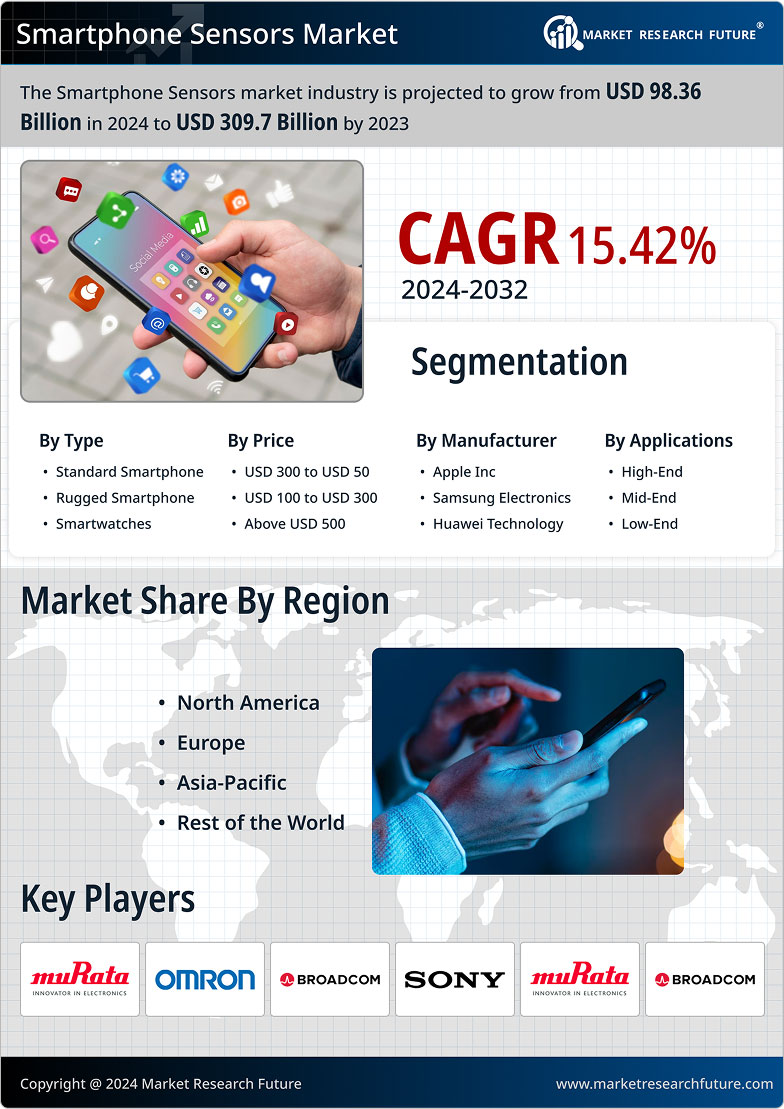
Platelet Agitator Market Infographic
×
Platelet Agitator Market Infographic Full View
Purchase Options

Market Analysis

In-depth Analysis of Platelet Agitator Market Industry Landscape

In recent times, the biomedical sector has witnessed a remarkable surge in investments, with a notable trend being the substantial contributions from Asian countries such as China, South Korea, India, Japan, and others. This surge in investment is particularly noteworthy when compared to the levels seen in North American and European countries. This shift in investment patterns underscores a changing landscape in the global biomedical industry, where traditionally dominant regions are now being rivalled by emerging economies. The notable increase in funding from Asian countries can be attributed to a confluence of factors, including a focus on research and development, advancements in healthcare infrastructure, and a growing emphasis on bolstering healthcare capabilities.

One of the key drivers behind the significant investments in the biomedical sector in Asian countries is the ongoing development phase in many of these nations. As countries in Asia and Africa strive to elevate their healthcare systems, there is a concerted effort to enhance research capabilities, medical facilities, and overall infrastructure. This developmental push is creating a conducive environment for the growth of the biomedical market, as these nations seek to address healthcare challenges, improve disease diagnostics, and promote advancements in medical treatments.

The rise in technological advancements is playing a pivotal role in reshaping the biomedical landscape. Countries like China and India are increasingly becoming hubs for cutting-edge research and innovation in the field of biomedicine. This not only fosters indigenous scientific developments but also attracts global collaborations and partnerships. The infusion of advanced technologies is contributing to the improvement of medical procedures, drug discovery processes, and diagnostic tools, further propelling the growth of the overall biomedical market.

Moreover, the growth of the biomedical sector has a cascading effect on related markets, such as the platelet agitator market. Platelet agitators, essential in preserving the quality of platelets for medical use, find increased demand in parallel with the expansion of biomedical capabilities. The need for efficient platelet storage and preservation becomes more critical as medical facilities enhance their capacities, leading to a parallel growth trajectory for the platelet agitator market.

The emphasis on biomedical research and healthcare infrastructure development is not limited to Asia; African countries are also making strides in these areas. Collaborative efforts, both regionally and internationally, are fostering knowledge exchange and resource-sharing, further contributing to the growth of the biomedical sector globally.

Despite the growth in Asian and African countries, North American and European nations continue to play pivotal roles in biomedical advancements. However, the evolving global landscape suggests a shift in the center of gravity, with emerging economies contributing significantly to the sector's growth. The competition and collaboration between traditionally dominant players and emerging economies create a dynamic environment, fostering innovation and pushing the boundaries of biomedical research.

In conclusion, the substantial growth in investments in the biomedical sector, particularly from Asian countries, marks a transformative phase in the global healthcare landscape. The developmental strides, technological advancements, and collaborative initiatives are propelling the biomedical market to new heights. As the biomedical sector expands, so does the demand for ancillary technologies like platelet agitators, presenting opportunities for market players to align their strategies with the evolving needs of the global healthcare ecosystem. The interconnected nature of these developments highlights the significance of a holistic approach in understanding and navigating the multifaceted dynamics of the biomedical and related markets.
Author
Rahul Gotadki
Assistant Manager

He holds an experience of about 7+ years in Market Research and Business Consulting, working under the spectrum of Life Sciences and Healthcare domains. Rahul conceptualizes and implements a scalable business strategy and provides strategic leadership to the clients. His expertise lies in market estimation, competitive intelligence, pipeline analysis, customer assessment, etc. In addition to the above, his other responsibility includes strategic tracking of high growth markets & advising clients on the potential areas of focus they could direct their business initiatives

Leave a Comment

FAQs

What would be the CAGR of the Platelet Agitator Market during the forecast period of 2024-2032?

The projected CAGR for the Platelet Agitator Market would be 3.45% during the forecast period.

What would be the valuation of the Platelet Agitator Market by 2032?

The valuation would be USD 0.55 Billion by 2032.

What are the restraints of the Platelet Agitator Market?

The restraints are the viability of the platelets with rotational motion and the availability of the other systems as substitutes.

What are the end users in the Platelet Agitator Market report?

The end users are hospital-based blood banks, autonomous blood banks, and others.

What are the capacity-wise segments included in the Platelet Agitator Market report?

The capacity-wise segments are small platelet agitators (5–38 bags), medium platelet agitators (48–96 bags), and large platelet agitators (108–398 bags).

Market Summary

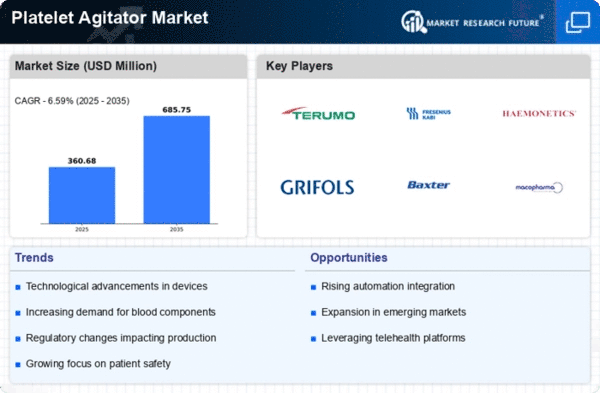
As per MRFR analysis, the Platelet Agitator Market Size was estimated at 338.38 USD Million in 2024. The Platelet Agitator industry is projected to grow from 364.56 USD Million in 2025 to 685.75 USD Million by 2035, exhibiting a compound annual growth rate (CAGR) of 6.59 during the forecast period 2025 - 2035.

Key Market Trends & Highlights

The Platelet Agitator Market is poised for substantial growth driven by technological advancements and increasing demand for blood components.

  • North America remains the largest market for platelet agitators, reflecting a robust healthcare infrastructure.
  • Asia-Pacific is emerging as the fastest-growing region, driven by expanding healthcare facilities and increasing awareness of blood donation.
  • The blood banking segment continues to dominate the market, while the transfusion medicine segment is experiencing rapid growth.
  • Technological advancements and regulatory compliance are key drivers propelling the market forward, alongside a rising demand for blood components.

Market Size & Forecast

2024 Market Size 338.38 (USD Million)
2035 Market Size 685.75 (USD Million)
CAGR (2025 - 2035) 6.59%
Largest Regional Market Share in 2024 North America

Major Players

Terumo Corporation (JP), Fresenius Kabi AG (DE), Haemonetics Corporation (US), Grifols S.A. (ES), Baxter International Inc. (US), Macopharma (FR), BloodCenter of Wisconsin (US), Biolife Plasma Services (US)

Market Trends

The Platelet Agitator Market is currently experiencing a notable evolution, driven by advancements in medical technology and an increasing emphasis on blood component management. The demand for efficient platelet storage and transportation solutions is rising, as healthcare facilities seek to enhance patient outcomes through improved blood transfusion practices. Innovations in design and functionality of platelet agitators are likely to play a crucial role in addressing the challenges associated with maintaining platelet viability and functionality during storage. Furthermore, the growing awareness of the importance of blood donation and the need for effective blood management systems are contributing to the expansion of this market. In addition, regulatory bodies are increasingly focusing on the safety and efficacy of blood products, which may lead to stricter guidelines for platelet storage and handling. This regulatory landscape could potentially drive the adoption of advanced platelet agitators that comply with new standards. As the Platelet Agitator Market continues to evolve, stakeholders must remain vigilant in monitoring technological advancements and regulatory changes to capitalize on emerging opportunities. The interplay between innovation, regulation, and market demand suggests a dynamic environment that could shape the future of platelet management in healthcare settings.

Technological Advancements

The Platelet Agitator Market is witnessing a surge in technological innovations aimed at enhancing the efficiency of platelet storage and transportation. New designs are emerging that focus on optimizing agitation methods, thereby improving the preservation of platelet functionality. These advancements may lead to better patient outcomes and increased adoption of platelet agitators in various healthcare settings.

Regulatory Compliance

As regulatory agencies tighten guidelines surrounding blood product management, the Platelet Agitator Market is likely to see a shift towards products that meet these new standards. Compliance with safety and efficacy regulations may drive manufacturers to innovate and improve their offerings, ensuring that healthcare providers can maintain high-quality blood components.

Increased Demand for Blood Components

The growing awareness of the critical role of blood components in medical treatments is fueling demand within the Platelet Agitator Market. As healthcare facilities strive to enhance their blood management systems, the need for reliable and efficient platelet agitators is expected to rise, creating opportunities for market growth.

Platelet Agitator Market Market Drivers

Global Aging Population

The global aging population is a significant driver of the Global Platelet Agitator Market Industry. As the demographic landscape shifts, the prevalence of age-related health issues, including those requiring platelet transfusions, is expected to rise. Older adults often face conditions that necessitate surgical interventions, increasing the demand for blood components. This demographic trend is likely to propel the market forward, as healthcare systems adapt to meet the needs of an aging population. The growing recognition of the importance of effective platelet storage solutions will further enhance the relevance of platelet agitators in healthcare facilities.

Regulatory Support for Blood Safety

Regulatory support for blood safety significantly influences the Global Platelet Agitator Market Industry. Governments and health organizations worldwide are implementing stringent regulations to ensure the safety and efficacy of blood components. This regulatory framework encourages the adoption of advanced platelet agitation technologies, as compliance with safety standards becomes essential for healthcare providers. The focus on maintaining high-quality blood products is likely to drive demand for sophisticated agitation systems. As a result, manufacturers are motivated to innovate and enhance their product offerings, thereby contributing to the overall growth of the market.

Increasing Demand for Blood Components

The Global Platelet Agitator Market Industry experiences a notable increase in demand for blood components, particularly platelets, due to rising surgical procedures and trauma cases. As hospitals and blood banks strive to maintain adequate platelet supplies, the need for efficient agitation systems becomes paramount. In 2024, the market is valued at approximately 0.43 USD Billion, reflecting the growing emphasis on enhancing blood component storage and preservation. This trend is expected to continue, with projections indicating a market value of 0.61 USD Billion by 2035. The anticipated compound annual growth rate (CAGR) of 3.21% from 2025 to 2035 further underscores the industry's potential for growth and innovation.

Rising Awareness of Platelet Disorders

The rising awareness of platelet disorders and their implications on health is a driving force in the Global Platelet Agitator Market Industry. As healthcare professionals and patients become more informed about conditions such as thrombocytopenia and other platelet-related disorders, the demand for effective treatment options increases. This heightened awareness leads to a greater need for platelet transfusions and, consequently, efficient platelet storage solutions. The market's growth is further supported by educational initiatives and campaigns aimed at improving understanding of platelet health, which may lead to increased utilization of platelet agitators in clinical settings.

Technological Advancements in Agitation Systems

Technological advancements play a crucial role in shaping the Global Platelet Agitator Market Industry. Innovations in agitation technology, such as the development of automated systems and smart monitoring features, enhance the efficiency and reliability of platelet storage. These advancements not only improve the quality of stored platelets but also reduce the risk of contamination. As healthcare facilities increasingly adopt these cutting-edge solutions, the market is poised for growth. The integration of IoT and AI technologies into platelet agitators is likely to streamline operations, thereby attracting more investments and driving market expansion in the coming years.

Market Segment Insights

By Application: Blood Banking (Largest) vs. Transfusion Medicine (Fastest-Growing)

In the Platelet Agitator Market, the application segment showcases a diverse distribution among its core areas: Blood Banking, Transfusion Medicine, Research Laboratories, and Clinical Diagnostics. Blood Banking continues to hold the largest share of the market, driven by its critical role in managing blood supplies and storage. Meanwhile, Transfusion Medicine is emerging as a significant growth area, bolstered by advancements in medical technologies and the increasing demand for safe blood transfusions, which collectively propel this application into a more prominent position.

Blood Banking (Dominant) vs. Clinical Diagnostics (Emerging)

Blood Banking remains the dominant player in the Platelet Agitator Market, characterized by its established infrastructure and ongoing innovation in storage practices. Facilities specializing in blood will continue to prioritize efficient and reliable agitators, ensuring optimal storage conditions for platelets. In contrast, Clinical Diagnostics is an emerging segment that is gaining traction, driven by the rise in diagnostic testing in personalized medicine. This segment is seeing advancements in technology and a growing recognition of the importance of platelet quality in various tests, paving the way for a larger share as the market evolves.

By End Use: Hospitals (Largest) vs. Blood Donation Centers (Fastest-Growing)

In the Platelet Agitator Market, hospitals represent the largest segment, driven by the high demand for platelet transfusions and advanced medical services. Blood donation centers follow closely, playing a crucial role in collecting and processing platelets for various healthcare applications. Diagnostic laboratories and research institutions also contribute significantly, although their market shares are comparatively smaller. The distribution indicates a concentrated reliance on hospitals for platelet storage and processing, with blood donation centers emerging as vital contributors to the supply chain.

Hospitals: Dominant vs. Blood Donation Centers: Emerging

Hospitals dominate the platelet agitator market as they are primary users, equipped with state-of-the-art facilities for managing blood products. Their extensive infrastructure allows for effective storage, processing, and transfusion of platelets, essential in treating trauma, surgical patients, and severe infections. Conversely, blood donation centers are becoming increasingly significant as they enhance the collection and preparation of platelets. With innovations and enhancements in logistics and donor engagement, these centers are experiencing rapid growth, positioning themselves as key players in the supply chain, meeting rising demands for life-saving treatments.

By Product Type: Automated Platelet Agitators (Largest) vs. Portable Platelet Agitators (Fastest-Growing)

In the Platelet Agitator Market, the segment distribution reveals that Automated Platelet Agitators hold the largest share among the product types, primarily due to their efficiency and integration into modern blood processing systems. Meanwhile, Manual Platelet Agitators account for a significant portion of the market but are gradually being overshadowed by advancements in automation technology. Portable Platelet Agitators, although smaller in market share, are rapidly gaining traction, especially in mobile healthcare settings.

Product Type: Automated Platelet Agitators (Dominant) vs. Portable Platelet Agitators (Emerging)

Automated Platelet Agitators are characterized by their precision and high throughput capabilities, making them ideal for large-scale medical facilities and blood banks. Their ability to maintain optimal platelet quality during storage is critical, driving their adoption among healthcare providers. On the other hand, Portable Platelet Agitators are emerging as an essential solution for remote healthcare, offering flexibility and convenience. Their lightweight design and ease of transport are appealing in emergency scenarios, contributing to increasing demand in regions with limited access to traditional healthcare infrastructure. This growing preference underscores a significant shift towards more adaptable healthcare solutions.

By Technology: Electromechanical Technology (Largest) vs. Magnetic Technology (Fastest-Growing)

The Platelet Agitator Market is increasingly characterized by a distribution of technology types, with Electromechanical Technology leading as the dominant segment. This technology leverages mechanical components to ensure consistent agitation, showcasing its reliability in platelet preservation. Magnetic Technology is emerging as the fastest-growing segment, known for its innovative approach that minimizes physical contact, thereby reducing the risk of contamination. As the demand for efficient and safe platelet storage rises, these technologies carve out significant positions within the market.

Technology: Electromechanical (Dominant) vs. Magnetic (Emerging)

Electromechanical Technology holds a dominant position within the Platelet Agitator Market, primarily due to its established efficacy in providing stable agitation for platelet preservation. This technology employs motors and gears to provide precise control, ensuring optimal conditions for platelet viability. In contrast, Magnetic Technology is emerging rapidly, driven by its advantages of reduced contamination risk and quieter operations. Its non-contact method of agitation appeals to modern laboratories seeking efficient and safe handling of platelets. As healthcare facilities are increasingly investing in advanced technologies, both segment values are pivotal for future developments in the market.

By Capacity: High Capacity (Largest) vs. Medium Capacity (Fastest-Growing)

In the Platelet Agitator Market, the capacity segment showcases a diverse distribution among its classifications. High capacity agitators dominate the market, primarily owing to increasing demand in hospitals and research laboratories for processing large volumes of platelets. Meanwhile, medium capacity agitators are rapidly gaining traction, especially in settings that require flexibility in platelet handling while still needing efficient agitation for optimal results. Growth in the capacity segment is highly influenced by the rising need for advanced platelet processing methods as healthcare facilities expand their services. Increased public awareness about the importance of blood donation and advancements in technologic capabilities contribute to the growth rates seen in medium capacity platelet agitators. The shift towards personalized medicine and the need for efficient blood component separation further drives this market segment's development.

Capacity: High Capacity (Dominant) vs. Medium Capacity (Emerging)

High capacity platelet agitators are designed for processing larger units of platelets effectively, making them a preferred choice in major hospitals where high throughput is essential. Their dominant market position is complemented by advanced features such as enhanced agitation control and automation capabilities, ensuring maximum platelet yield with minimal damage. On the other hand, medium capacity agitators serve as an emerging option for smaller facilities and clinics that require flexibility in processing. They offer a balance between efficiency and size, enabling healthcare providers to cater to fluctuating demands in platelet processing. As the healthcare landscape evolves, both segments provide essential solutions tailored to specific operational needs.

Get more detailed insights about Platelet Agitator Market Research Report - Global Forecast till 2035

Regional Insights

North America : Market Leader in Innovation

North America is poised to maintain its leadership in the Platelet Agitator Market, holding a significant market share of $170.0M as of 2024. The region's growth is driven by advanced healthcare infrastructure, increasing demand for blood components, and stringent regulatory frameworks that ensure product safety and efficacy. The presence of key players like Haemonetics Corporation and Baxter International Inc. further fuels market expansion, supported by ongoing innovations in medical technology. The competitive landscape in North America is characterized by a robust presence of major companies, including Terumo Corporation and Biolife Plasma Services. These organizations are investing heavily in R&D to enhance product offerings and meet the evolving needs of healthcare providers. The region's focus on improving patient outcomes and operational efficiencies in blood management systems is expected to drive further growth in the Platelet Agitator Market.

Europe : Emerging Market with Growth Potential

Europe is witnessing a growing Platelet Agitator Market, valued at $90.0M in 2024. The region benefits from supportive regulatory frameworks that promote innovation and ensure compliance with safety standards. Increasing investments in healthcare infrastructure and rising awareness about blood donation and transfusion processes are key drivers of market growth. The European market is also influenced by the aging population, which necessitates improved blood management solutions. Leading countries such as Germany, France, and the UK are at the forefront of this market, with companies like Fresenius Kabi AG and Grifols S.A. playing pivotal roles. The competitive landscape is marked by collaborations and partnerships aimed at enhancing product offerings. As the demand for efficient blood component management rises, the European Platelet Agitator Market is expected to expand significantly, supported by ongoing technological advancements.

Asia-Pacific : Rapidly Growing Market Segment

The Asia-Pacific region is emerging as a significant player in the Platelet Agitator Market, with a market size of $65.0M in 2024. The growth is driven by increasing healthcare expenditures, rising awareness of blood donation, and the need for advanced medical technologies. Governments in countries like China and India are investing in healthcare infrastructure, which is expected to boost demand for platelet agitators and related equipment in the coming years. Countries such as Japan and Australia are leading the market, with key players like Terumo Corporation and Macopharma establishing a strong presence. The competitive landscape is evolving, with local manufacturers also entering the market to meet the growing demand. As the region continues to develop its healthcare capabilities, the Platelet Agitator Market is set for substantial growth, driven by both domestic and international players.

Middle East and Africa : Emerging Market with Challenges

The Middle East and Africa region is gradually developing its Platelet Agitator Market, currently valued at $13.38M in 2024. The growth is primarily driven by increasing healthcare investments and a rising focus on improving blood transfusion practices. However, the market faces challenges such as regulatory hurdles and varying healthcare standards across countries. Despite these challenges, the demand for efficient blood management solutions is expected to rise, supported by government initiatives aimed at enhancing healthcare services. Countries like South Africa and the UAE are leading the market, with a growing number of healthcare facilities adopting advanced technologies. The competitive landscape includes both international and local players, with companies like BloodCenter of Wisconsin and Biolife Plasma Services looking to expand their footprint. As the region continues to invest in healthcare, the Platelet Agitator Market is anticipated to grow, albeit at a slower pace compared to other regions.

Key Players and Competitive Insights

The Platelet Agitator Market is currently characterized by a dynamic competitive landscape, driven by technological advancements and increasing demand for blood components in healthcare settings. Key players such as Terumo Corporation (Japan), Fresenius Kabi AG (Germany), and Haemonetics Corporation (US) are at the forefront, each adopting distinct strategies to enhance their market presence. Terumo Corporation (Japan) focuses on innovation, particularly in developing advanced platelet storage and agitation technologies, while Fresenius Kabi AG (Germany) emphasizes regional expansion and partnerships to strengthen its distribution networks. Haemonetics Corporation (US) appears to be concentrating on digital transformation, integrating data analytics into their product offerings to improve operational efficiency and customer engagement. Collectively, these strategies contribute to a competitive environment that is increasingly reliant on technological differentiation and strategic collaborations.In terms of business tactics, companies are localizing manufacturing and optimizing supply chains to enhance responsiveness to market demands. The competitive structure of the Platelet Agitator Market is moderately fragmented, with several players vying for market share. However, the influence of major companies is substantial, as they set industry standards and drive innovation, thereby shaping the overall market dynamics.In November 2025, Fresenius Kabi AG (Germany) announced a strategic partnership with a leading biotechnology firm to co-develop next-generation platelet agitators. This collaboration is expected to leverage advanced bioprocessing technologies, enhancing product efficacy and expanding market reach. The strategic importance of this partnership lies in its potential to accelerate innovation cycles and improve product offerings, positioning Fresenius Kabi AG as a leader in the market.In October 2025, Haemonetics Corporation (US) launched a new digital platform aimed at optimizing platelet management in transfusion services. This platform integrates AI-driven analytics to streamline operations and improve patient outcomes. The introduction of this technology signifies a shift towards data-centric solutions in the Platelet Agitator Market, reflecting Haemonetics' commitment to enhancing operational efficiency and customer satisfaction.In December 2025, Terumo Corporation (Japan) unveiled a new line of platelet agitators designed with sustainability in mind, utilizing eco-friendly materials and energy-efficient technologies. This initiative not only addresses growing environmental concerns but also aligns with global trends towards sustainable healthcare practices. The strategic importance of this move is underscored by the increasing regulatory focus on sustainability, which could enhance Terumo's competitive edge in the market.As of December 2025, current trends in the Platelet Agitator Market include a pronounced shift towards digitalization, sustainability, and AI integration. Strategic alliances are increasingly shaping the competitive landscape, enabling companies to pool resources and expertise. Looking ahead, competitive differentiation is likely to evolve from traditional price-based competition to a focus on innovation, technology, and supply chain reliability. This transition suggests that companies that prioritize these aspects will be better positioned to thrive in an increasingly complex market.

Key Companies in the Platelet Agitator Market include

Industry Developments


In the historic year of 2015, the medium platelet agitator sub-segment of the market’s capacity segment had the maximum market share that accounted for 620 million. A similar result is expected by this market sub-segment by the end of the global forecast period in 2030.

One of the market players - Labcold in February 2019, announced the launch of their new product with the name of Intellicold Pharmacy Range refrigerator. This is a touch screen model available in the market.

Helmer Scientific announced the introduction of the UltraCW II Automatic Cell Washing machine system. This was introduced in May 2019 to increase the product differentiations available to global consumers. Also, this adds to the enhanced portfolio of the market on the global competitive scale.

Many developed countries are on the way to designing new devices that are stable while being connected to other devices for functioning in the form of a combined device. The platelet agitators can be connected to a printer that helps in getting direct control of the log data through the devices.


Future Outlook

Platelet Agitator Market Future Outlook

The Platelet Agitator Market is projected to grow at a 6.59% CAGR from 2024 to 2035, driven by technological advancements, increasing demand for blood components, and rising healthcare investments.

New opportunities lie in:

  • Development of automated platelet storage solutions
  • Expansion into emerging markets with tailored products
  • Integration of IoT for real-time monitoring and data analytics

By 2035, the Platelet Agitator Market is expected to achieve substantial growth and innovation.

Market Segmentation

Platelet Agitator Market End Use Outlook

  • Hospitals
  • Blood Donation Centers
  • Diagnostic Laboratories
  • Research Institutions

Platelet Agitator Market Capacity Outlook

  • Low Capacity
  • Medium Capacity
  • High Capacity

Platelet Agitator Market Technology Outlook

  • Electromechanical Technology
  • Magnetic Technology
  • Pneumatic Technology

Platelet Agitator Market Application Outlook

  • Blood Banking
  • Transfusion Medicine
  • Research Laboratories
  • Clinical Diagnostics

Platelet Agitator Market Product Type Outlook

  • Manual Platelet Agitators
  • Automated Platelet Agitators
  • Portable Platelet Agitators

Report Scope

MARKET SIZE 2024338.38(USD Million)
MARKET SIZE 2025364.56(USD Million)
MARKET SIZE 2035685.75(USD Million)
COMPOUND ANNUAL GROWTH RATE (CAGR)6.59% (2025 - 2035)
REPORT COVERAGERevenue Forecast, Competitive Landscape, Growth Factors, and Trends
BASE YEAR2024
Market Forecast Period2025 - 2035
Historical Data2019 - 2024
Market Forecast UnitsUSD Million
Key Companies ProfiledTerumo Corporation (JP), Fresenius Kabi AG (DE), Haemonetics Corporation (US), Grifols S.A. (ES), Baxter International Inc. (US), Macopharma (FR), BloodCenter of Wisconsin (US), Biolife Plasma Services (US)
Segments CoveredApplication, End Use, Product Type, Technology, Capacity
Key Market OpportunitiesIntegration of advanced automation technologies enhances efficiency in the Platelet Agitator Market.
Key Market DynamicsTechnological advancements and regulatory changes drive innovation and competition in the platelet agitator market.
Countries CoveredNorth America, Europe, APAC, South America, MEA

FAQs

What would be the CAGR of the Platelet Agitator Market during the forecast period of 2024-2032?

The projected CAGR for the Platelet Agitator Market would be 3.45% during the forecast period.

What would be the valuation of the Platelet Agitator Market by 2032?

The valuation would be USD 0.55 Billion by 2032.

What are the restraints of the Platelet Agitator Market?

The restraints are the viability of the platelets with rotational motion and the availability of the other systems as substitutes.

What are the end users in the Platelet Agitator Market report?

The end users are hospital-based blood banks, autonomous blood banks, and others.

What are the capacity-wise segments included in the Platelet Agitator Market report?

The capacity-wise segments are small platelet agitators (5–38 bags), medium platelet agitators (48–96 bags), and large platelet agitators (108–398 bags).

  1. SECTION I: EXECUTIVE SUMMARY AND KEY HIGHLIGHTS
    1. | 1.1 EXECUTIVE SUMMARY
  2. SECTION II: SCOPING, METHODOLOGY AND MARKET STRUCTURE
    1. | 2.1 MARKET INTRODUCTION
    2. | 2.2 RESEARCH METHODOLOGY
  3. SECTION III: QUALITATIVE ANALYSIS
    1. | 3.1 MARKET DYNAMICS
    2. | 3.2 MARKET FACTOR ANALYSIS
  4. SECTION IV: QUANTITATIVE ANALYSIS
    1. | 4.1 Healthcare, BY Application (USD Million)
    2. | 4.2 Healthcare, BY End Use (USD Million)
    3. | 4.3 Healthcare, BY Product Type (USD Million)
    4. | 4.4 Healthcare, BY Technology (USD Million)
    5. | 4.5 Healthcare, BY Capacity (USD Million)
    6. | 4.6 Healthcare, BY Region (USD Million)
  5. SECTION V: COMPETITIVE ANALYSIS
    1. | 5.1 Competitive Landscape
    2. | 5.2 Company Profiles
    3. | 5.3 Appendix

Platelet Agitator Market Segmentation

Market Segmentation Overview

  • Detailed segmentation data will be available in the full report
  • Comprehensive analysis by multiple parameters
  • Regional and country-level breakdowns
  • Market size forecasts by segment
Infographic

Free Sample Request

Kindly complete the form below to receive a free sample of this Report

Get Free Sample

Customer Strories

Compare Licence

×
Features License Type
Single User Multiuser License Enterprise User
Price $4,950 $5,950 $7,250
Maximum User Access Limit 1 User Upto 10 Users Unrestricted Access Throughout the Organization
Free Customization
Direct Access to Analyst
Deliverable Format
Platform Access
Discount on Next Purchase 10% 15% 15%
Printable Versions