×
Request Free Sample ×

Kindly complete the form below to receive a free sample of this Report

* Please use a valid business email

Leading companies partner with us for data-driven Insights

clients tt-cursor
Hero Background

Mexico Meat Substitutes Market

ID: MRFR/FnB/46712-HCR
200 Pages
Varsha More
February 2026

Mexico Meat Substitutes Market Size, Share, Industry Trend & Analysis Research Report By Type (Tofu & Tofu Products, Tempeh, Seitan, Others), By Source (Soy, Wheat, Mycoprotein, Others), and By Distribution Channel (Store-based, Non-store based) - Forecast to 2035

Share:
Download PDF ×

We do not share your information with anyone. However, we may send you emails based on your report interest from time to time. You may contact us at any time to opt-out.

Mexico Meat Substitutes Market Infographic
Purchase Options

Mexico Meat Substitutes Market Summary

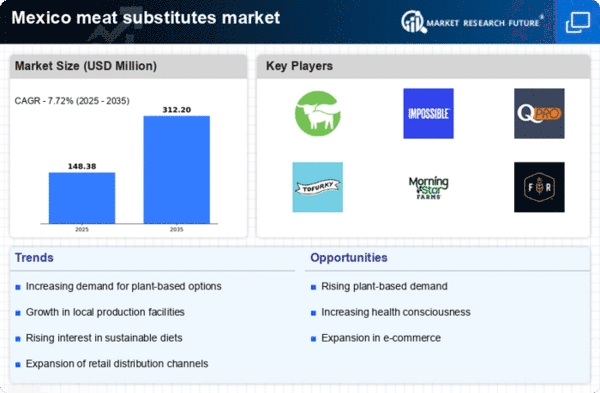
As per Market Research Future analysis, the Mexico meat substitutes market size was estimated at 137.75 USD Million in 2024. The Mexico meat substitutes market is projected to grow from 148.38 USD Million in 2025 to 312.2 USD Million by 2035, exhibiting a compound annual growth rate (CAGR) of 7.7% during the forecast period 2025 - 2035

Key Market Trends & Highlights

The Mexico meat substitutes market is experiencing robust growth driven by health consciousness and sustainability.

  • The largest segment in the Mexico meat substitutes market is the plant-based protein segment, which continues to expand rapidly.
  • Culinary innovation is driving the development of diverse meat substitute products, appealing to a broader consumer base.
  • The fastest-growing segment is the mycoprotein segment, reflecting increasing interest in alternative protein sources.
  • Rising health consciousness and environmental concerns are key drivers propelling the market forward.

Market Size & Forecast

2024 Market Size 137.75 (USD Million)
2035 Market Size 312.2 (USD Million)
CAGR (2025 - 2035) 7.72%

Major Players

Beyond Meat (US), Impossible Foods (US), Quorn Foods (GB), Tofurky (US), MorningStar Farms (US), Field Roast (US), Lightlife (US), Oumph! (SE), Eat Just (US)

Our Impact
Enabled $4.3B Revenue Impact for Fortune 500 and Leading Multinationals
Partnering with 2000+ Global Organizations Each Year
30K+ Citations by Top-Tier Firms in the Industry

Mexico Meat Substitutes Market Trends

The meat substitutes market is currently experiencing notable growth, driven by a combination of health consciousness and environmental awareness among consumers. In Mexico, there is a rising demand for plant-based alternatives as individuals seek to reduce their meat consumption for health benefits and sustainability reasons. This shift is reflected in the increasing availability of diverse products, ranging from soy-based options to innovative formulations using legumes and grains. Retailers are responding to this trend by expanding their offerings, making these alternatives more accessible to a broader audience. Moreover, the cultural landscape in Mexico plays a significant role in shaping consumer preferences. Traditional dishes are being reimagined with meat substitutes, allowing for a fusion of flavors that appeals to both vegetarians and omnivores. The meat substitutes market is also benefiting from the influence of social media and marketing campaigns that promote plant-based diets. As awareness grows, it appears that the market will continue to evolve, potentially leading to further innovations and product developments that cater to local tastes and dietary needs.

Health and Wellness Focus

Consumers are increasingly prioritizing health, leading to a surge in demand for meat substitutes that offer nutritional benefits. This trend is evident in the growing interest in products rich in protein, fiber, and essential vitamins, appealing to health-conscious individuals.

Culinary Innovation

The meat substitutes market is witnessing a wave of culinary creativity, with local chefs and food brands experimenting with flavors and textures. This innovation is enhancing the appeal of meat alternatives, making them more attractive to a diverse consumer base.

Sustainability Awareness

There is a heightened awareness regarding environmental issues, prompting consumers to consider the ecological impact of their food choices. This trend is driving interest in meat substitutes, as they are often perceived as more sustainable options compared to traditional meat products.

Mexico Meat Substitutes Market Drivers

Economic Factors

Economic considerations play a crucial role in shaping the meat substitutes market in Mexico. As disposable incomes rise, consumers are more willing to invest in premium meat alternatives that offer perceived health and environmental benefits. The meat substitutes market is likely to benefit from this trend, as consumers increasingly view these products as viable options for their diets. Additionally, fluctuations in meat prices can drive consumers towards more affordable plant-based alternatives, further boosting market growth. Recent statistics indicate that the price of beef has increased by 15% over the past year, prompting many to explore meat substitutes as cost-effective solutions. This economic dynamic is expected to sustain the upward trajectory of the meat substitutes market.

Regulatory Support

Government policies and regulations are increasingly supporting the growth of the meat substitutes market in Mexico. Initiatives aimed at promoting healthier eating habits and reducing meat consumption are encouraging the development and distribution of plant-based products. The meat substitutes market is likely to benefit from these regulatory frameworks, which may include subsidies for producers of meat alternatives and educational campaigns to raise awareness about the benefits of plant-based diets. Furthermore, as the government emphasizes food security and sustainability, the meat substitutes market is positioned to thrive in this supportive environment. This regulatory backing could potentially lead to a more favorable market landscape, fostering innovation and investment in the sector.

Culinary Versatility

The versatility of meat substitutes in culinary applications is a significant driver for the market in Mexico. As chefs and home cooks experiment with plant-based ingredients, the meat substitutes market is witnessing a surge in innovative recipes and product offerings. This trend is supported by the increasing availability of diverse meat alternatives that cater to various cuisines and dietary preferences. The market is expanding as consumers discover the potential of these substitutes to replicate the taste and texture of traditional meats. Furthermore, the introduction of new flavors and formats is likely to attract a broader audience, enhancing the appeal of meat substitutes. This culinary innovation is expected to contribute to a projected market growth of 12% in the coming years.

Environmental Concerns

Environmental sustainability is becoming a pivotal factor influencing consumer choices in Mexico, thereby impacting the meat substitutes market. As awareness of climate change and its effects on the planet rises, many consumers are opting for meat alternatives that have a lower carbon footprint. The meat substitutes market is responding to this demand by offering products that are not only environmentally friendly but also align with the values of eco-conscious consumers. Reports suggest that the production of plant-based proteins can reduce greenhouse gas emissions by up to 50% compared to traditional meat production. This growing concern for the environment is likely to propel the meat substitutes market further, as consumers increasingly prioritize sustainability in their purchasing decisions.

Rising Health Consciousness

The increasing awareness of health and nutrition among consumers in Mexico is driving the meat substitutes market. As individuals become more informed about the health risks associated with excessive meat consumption, they are seeking alternatives that offer lower fat and cholesterol levels. This shift is reflected in the growing demand for plant-based proteins, which are perceived as healthier options. According to recent data, the meat substitutes market in Mexico is projected to grow at a CAGR of 10% over the next five years, indicating a robust trend towards healthier eating habits. The meat substitutes market is thus benefiting from this health-conscious consumer base, which is actively seeking products that align with their dietary preferences and health goals.


Market Segment Insights

By Type: Tofu & Tofu Products (Largest) vs. Seitan (Fastest-Growing)

In the Mexico meat substitutes market, Tofu & Tofu Products lead in market share, significantly favored for their versatility and nutritional values. Tempeh follows as a preferred alternative, alongside Seitan, which has garnered attention for its protein-rich profile. The 'Others' category highlights niche products that cater to diverse consumer preferences and dietary needs. The market is characterized by a growing awareness of meat alternatives, prompting a shift in consumer choices towards these substitutes. Growth trends in this segment are influenced by rising health consciousness and the increasing popularity of plant-based diets. Tofu & Tofu Products continue to maintain their stronghold, while Seitan is quickly gaining traction due to its meat-like texture, appealing to flexitarians. The expansion of retail outlets and online platforms is further enhancing accessibility, driving the market forward.

Tofu & Tofu Products (Dominant) vs. Seitan (Emerging)

Tofu & Tofu Products remain the dominant force in the Mexico meat substitutes market, celebrated for their high protein content, affordability, and adaptability in various cuisines. They are often viewed as a staple for vegetarian and vegan diets, contributing to their widespread appeal. In contrast, Seitan is emerging as a strong alternative, particularly favored by consumers seeking meat-like textures without animal products. Seitan’s unique properties and ability to absorb flavors make it a popular choice for culinary experimentation, driving its growth in popularity among a younger demographic. As consumer preferences evolve towards sustainable and healthy eating habits, both segments are poised for continued relevance in the market.

By Source: Soy (Largest) vs. Mycoprotein (Fastest-Growing)

In the Mexico meat substitutes market, the source segment shows significant diversification, with soy leading as the largest contributing ingredient. This is largely due to its established presence and consumer familiarity, making it a staple for many meat alternative products. Wheat and mycoprotein follow, catering to various dietary preferences, while other sources, although present, represent a smaller segment of the overall market share. Growth trends indicate a rapid increase in demand for mycoprotein, which is being driven by rising health consciousness among consumers and a growing interest in plant-based diets. Additionally, the ability of mycoprotein to mimic the texture and taste of meat products positions it as a favored choice among emerging food technologies. This shift emphasizes the evolving landscape of protein sources in the Mexico meat substitutes market.

Soy (Dominant) vs. Mycoprotein (Emerging)

Soy serves as the dominant source in the market, attributed to its versatility and nutritional profile, making it a preferred choice for a wide array of consumers. Its established supply chain and consumer acceptance further bolster its position in the market. On the other hand, mycoprotein is emerging rapidly, attracting attention due to its unique texture and high protein content. This ingredient appeals especially to health-conscious individuals seeking meat alternatives that provide similar sensory experiences. As consumers increasingly lean towards plant-based options, both soy and mycoprotein will play pivotal roles in defining the future of protein sources in food innovation.

By Category: Frozen (Largest) vs. Refrigerated (Fastest-Growing)

In the Mexico meat substitutes market, the distribution of market share among category segments reveals that the frozen segment holds the largest portion, appealing to consumers seeking convenience and longer shelf life. The refrigerated segment also performs well, especially as more consumers turn to fresh options for perceived health benefits. Other segments such as ambient and others play a smaller role, contributing to diversity but lacking in overall market dominance. The growth trends show that the refrigerated segment is emerging as the fastest-growing category, driven by the increasing demand for fresh and natural ingredients. Factors such as changing consumer preferences towards healthier lifestyles, coupled with rising food awareness, provide a push for innovative products in the refrigerated area. Meanwhile, the frozen segment remains important due to its established presence and consumer habits favoring ready-to-cook convenience products.

Frozen (Dominant) vs. Refrigerated (Emerging)

The frozen segment is a dominant force in the Mexico meat substitutes market, catering to consumers who prioritize convenience and extended shelf life. Products in this category often appeal to families and busy lifestyles, offering easy meal solutions. In contrast, the refrigerated segment is emerging rapidly, characterized by fresher offerings that attract health-conscious consumers. Manufacturers are increasingly innovating within this space, introducing new flavors and blends that resonate with the demand for wholesome ingredients. Both segments exhibit strong potential, but the refrigerated category is gaining traction due to shifting consumer preferences towards freshness and nutrition.

By Distribution Channel: Store based (Largest) vs. Non-store based (Fastest-Growing)

In the Mexico meat substitutes market, store based distribution channels hold a significant share, dominating the market with well-established retail outlets that cater to a wide consumer base. Store based channels provide consumers with the advantage of immediate access to products, further enhancing their visibility and availability. Non-store based channels, while currently smaller in share, are rapidly gaining traction, driven by the rising trend of online shopping and the increasing demand for convenience. The growth trajectory of the non-store based segment is indicative of changing consumer preferences, as more people turn to digital platforms for their grocery needs. Factors such as the convenience of home delivery and the ability to compare products easily are propelling this segment. Additionally, the pandemic has accelerated online purchasing habits, making non-store based channels one of the fastest-growing avenues in the Mexico meat substitutes market.

Store based (Dominant) vs. Non-store based (Emerging)

The store based distribution channel is characterized by its strong presence in physical retail environments, including supermarkets and specialty food stores, which are vital for consumer engagement and product sampling. This segment benefits from in-store promotions and the ability to provide customers with a tactile shopping experience. On the other hand, non-store based channels are emerging rapidly, leveraging online platforms to reach tech-savvy consumers who prefer the convenience of shopping from home. These channels often include e-commerce websites and apps that specialize in grocery delivery, appealing to the growing segment of health-conscious consumers looking for meat substitute options. As both segments evolve, they cater to diverse consumer demands, reflecting broader lifestyle trends in the market.

Get more detailed insights about Mexico Meat Substitutes Market

Key Players and Competitive Insights

The meat substitutes market in Mexico is currently characterized by a dynamic competitive landscape, driven by increasing consumer demand for plant-based alternatives and heightened awareness of health and environmental issues. Major players such as Beyond Meat (US), Impossible Foods (US), and Quorn Foods (GB) are strategically positioning themselves through innovation and regional expansion. Beyond Meat (US) has focused on diversifying its product line to cater to local tastes, while Impossible Foods (US) emphasizes its commitment to sustainability and flavor innovation. Quorn Foods (GB) has been enhancing its distribution channels to increase accessibility, thereby shaping a competitive environment that is increasingly focused on meeting consumer preferences and sustainability goals.Key business tactics within this market include localizing manufacturing and optimizing supply chains to reduce costs and improve efficiency. The competitive structure appears moderately fragmented, with several key players exerting influence over market dynamics. This fragmentation allows for niche players to emerge, while larger companies leverage their scale to dominate market share. The collective influence of these key players fosters a competitive atmosphere where innovation and consumer engagement are paramount.

In September Beyond Meat (US) announced a partnership with a major Mexican food retailer to launch a new line of locally inspired products. This strategic move is likely to enhance brand visibility and cater to regional tastes, potentially increasing market penetration. Such partnerships may also facilitate supply chain efficiencies, allowing Beyond Meat to respond more swiftly to consumer demands.

In October Impossible Foods (US) unveiled a new marketing campaign aimed at educating consumers about the environmental benefits of plant-based diets. This initiative underscores the company's focus on sustainability and positions it as a thought leader in the meat substitutes sector. By aligning its brand with environmental consciousness, Impossible Foods may strengthen its appeal among eco-conscious consumers, thereby enhancing its competitive edge.

In August Quorn Foods (GB) expanded its product offerings by introducing a new range of meat alternatives specifically designed for the Mexican market. This strategic expansion not only diversifies its portfolio but also demonstrates Quorn's commitment to understanding and catering to local consumer preferences. Such initiatives are likely to bolster Quorn's market presence and foster brand loyalty among Mexican consumers.

As of November current competitive trends indicate a strong emphasis on digitalization, sustainability, and the integration of AI technologies within the meat substitutes market. Strategic alliances are increasingly shaping the landscape, allowing companies to pool resources and expertise to drive innovation. Looking ahead, competitive differentiation is expected to evolve, with a notable shift from price-based competition towards innovation, technology, and supply chain reliability. This transition suggests that companies that prioritize these aspects may gain a significant advantage in an increasingly competitive market.

Key Companies in the Mexico Meat Substitutes Market include

Industry Developments

In recent months, the Mexico Meat Substitutes Market has seen significant developments, particularly with consumer demand for plant-based products soaring. Companies like Beyond Meat and Quorn Foods have been expanding their product offerings to meet rising health and sustainability concerns among consumers in Mexico.

June 2023 marked the introduction of new partnerships aimed at enhancing distribution channels for companies like Gardein and MorningStar Farms, further solidifying their presence in the Mexican market. Additionally, Mexico's growing focus on healthy eating has led to increased popularity for brands like Tofurky and Daiya Foods.

In the past couple of years, investments in plant-based food technology have been notable, with MGP Ingredients seeking to enhance its local supply chain as of September 2022. In terms of mergers and acquisitions, no notable activities involving the stated companies have surfaced recently within the Mexican market.

However, the overall growth in the sector reflects a shift in consumer behavior toward sustainable and meat-free diets, which is likely to encourage further innovation and market entry from more brands in the coming months.

Future Outlook

Mexico Meat Substitutes Market Future Outlook

The Meat Substitutes Market in Mexico is projected to grow at a 7.72% CAGR from 2025 to 2035, driven by health trends, sustainability concerns, and innovation in product offerings.

New opportunities lie in:

  • Development of plant-based ready-to-eat meal kits
  • Expansion of online distribution channels for meat substitutes
  • Investment in R&D for alternative protein sources like mycelium

By 2035, the meat substitutes market is expected to achieve substantial growth and diversification.

Market Segmentation

Mexico Meat Substitutes Market Type Outlook

  • Tofu & Tofu Products
  • Tempeh
  • Seitan
  • Others

Mexico Meat Substitutes Market Source Outlook

  • Soy
  • Wheat
  • Mycoprotein
  • Others

Mexico Meat Substitutes Market Category Outlook

  • Frozen
  • Refrigerated
  • Ambient
  • Others

Mexico Meat Substitutes Market Distribution Channel Outlook

  • Store based
  • Non-store based

Report Scope

MARKET SIZE 2024 137.75(USD Million)
MARKET SIZE 2025 148.38(USD Million)
MARKET SIZE 2035 312.2(USD Million)
COMPOUND ANNUAL GROWTH RATE (CAGR) 7.72% (2025 - 2035)
REPORT COVERAGE Revenue Forecast, Competitive Landscape, Growth Factors, and Trends
BASE YEAR 2024
Market Forecast Period 2025 - 2035
Historical Data 2019 - 2024
Market Forecast Units USD Million
Key Companies Profiled Beyond Meat (US), Impossible Foods (US), Quorn Foods (GB), Tofurky (US), MorningStar Farms (US), Field Roast (US), Lightlife (US), Oumph! (SE), Eat Just (US)
Segments Covered Type, Source, Category, Distribution Channel
Key Market Opportunities Growing consumer demand for sustainable and plant-based protein options in the meat substitutes market.
Key Market Dynamics Rising consumer demand for plant-based options drives innovation and competition in the meat substitutes market.
Countries Covered Mexico
Leave a Comment

FAQs

What was the market size of the Mexico Meat Substitutes Market in 2024?

The Mexico Meat Substitutes Market was valued at 150.0 million USD in 2024.

How much is the Mexico Meat Substitutes Market expected to be worth by 2035?

By 2035, the Mexico Meat Substitutes Market is projected to reach a value of 350.0 million USD.

What is the expected CAGR of the Mexico Meat Substitutes Market from 2025 to 2035?

The market is anticipated to grow at a CAGR of 8.007% from 2025 to 2035.

Which type of meat substitute is expected to have the highest market value in 2035?

Tofu and Tofu Products are projected to reach a market value of 140.0 million USD by 2035.

What market value is the Tempeh segment expected to achieve in 2035?

The Tempeh segment is expected to grow to a market value of 75.0 million USD by 2035.

What is the expected market size for Seitan in 2035?

Seitan is projected to reach a market size of 80.0 million USD in 2035.

Which companies are major players in the Mexico Meat Substitutes Market?

Key players include Gardein, Beyond Meat, Impossible Foods, and Quorn Foods, among others.

What was the market value for the 'Others' category in 2024?

The 'Others' category in the Mexico Meat Substitutes Market was valued at 25.0 million USD in 2024.

How much is the market for Tofu and Tofu Products expected to grow from 2024 to 2035?

The market for Tofu and Tofu Products is expected to grow from 60.0 million USD in 2024 to 140.0 million USD in 2035.

What challenges could impact the growth of the Mexico Meat Substitutes Market?

Emerging trends and consumer preferences for plant-based diets may present opportunities and challenges for market growth.

Download Free Sample

Kindly complete the form below to receive a free sample of this Report

Compare Licence

×
Features License Type
Single User Multiuser License Enterprise User
Price $4,950 $5,950 $7,250
Maximum User Access Limit 1 User Upto 10 Users Unrestricted Access Throughout the Organization
Free Customization
Direct Access to Analyst
Deliverable Format
Platform Access
Discount on Next Purchase 10% 15% 15%
Printable Versions