Aging Population
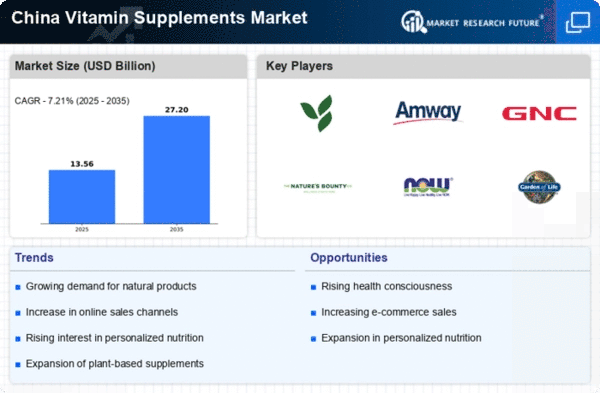
China's demographic shift towards an aging population significantly influences the vitamin supplements market. With a substantial portion of the population aged 60 and above, there is an increasing focus on health maintenance and disease prevention among older adults. This demographic is more likely to seek out vitamin supplements to support their health, particularly for conditions related to aging, such as osteoporosis and cardiovascular diseases. Reports suggest that the elderly population in China is expected to exceed 300 million by 2040, creating a robust market for vitamin supplements tailored to their specific health needs. This trend underscores the importance of targeted marketing strategies within the vitamin supplements market to cater to this growing demographic.
Increasing Urbanization
The rapid urbanization in China is a pivotal driver for the vitamin supplements market. As more individuals migrate to urban areas, lifestyle changes often lead to dietary deficiencies. Urban dwellers tend to have busier schedules, which may result in inadequate nutrient intake. Consequently, the demand for vitamin supplements is likely to rise as consumers seek convenient solutions to meet their nutritional needs. According to recent data, urban populations in China are projected to reach approximately 70% by 2030, further amplifying the need for dietary supplements. This trend indicates a growing market potential, as urban consumers increasingly prioritize health and wellness, thereby propelling the market forward.
Rising Disposable Income
The increase in disposable income among Chinese consumers is a significant driver for the vitamin supplements market. As economic growth continues, more individuals are willing to invest in health and wellness products, including dietary supplements. Data indicates that the average disposable income in urban areas has risen by over 50% in the last decade, leading to greater spending on health-related products. This trend suggests that consumers are increasingly prioritizing preventive health measures, which may include the regular consumption of vitamin supplements. Consequently, the vitamin supplements market is likely to experience substantial growth as consumers seek high-quality products that align with their health goals.
Influence of Social Media
The role of social media in shaping consumer behavior is becoming increasingly prominent in China, particularly concerning the market. Platforms such as WeChat and Weibo serve as vital channels for health information dissemination and product promotion. Influencers and health advocates often share their experiences with vitamin supplements, which can significantly impact purchasing decisions. Recent studies indicate that nearly 70% of Chinese consumers rely on social media for health-related information, suggesting that effective marketing strategies leveraging these platforms could enhance brand visibility and consumer engagement. This trend indicates a potential for growth in the vitamin supplements market as brands adapt to the evolving digital landscape.
Government Initiatives and Regulations
Government initiatives aimed at promoting health and wellness are likely to bolster the vitamin supplements market in China. The Chinese government has implemented various policies to encourage healthy lifestyles, including dietary guidelines that emphasize the importance of vitamins and minerals. Additionally, regulatory frameworks governing the production and sale of dietary supplements are becoming more stringent, ensuring product safety and efficacy. This regulatory environment may enhance consumer trust in vitamin supplements, potentially leading to increased market demand. As the government continues to advocate for public health, the vitamin supplements market is expected to benefit from these initiatives, fostering a more informed and health-conscious consumer base.