×
Request Free Sample ×

Kindly complete the form below to receive a free sample of this Report

* Please use a valid business email

Leading companies partner with us for data-driven Insights

clients tt-cursor
Hero Background
English
Chinese
French
Japanese
Korean
German
Spanish

Acrylic Adhesive Market Analysis

ID: MRFR/CnM/3158-CR
128 Pages
Anshula Mandaokar
October 2023

Acrylic Adhesives Market Research Report Information By Type (Acrylic Polymer Emulsion, Cyanoacrylic Adhesives, Methacrylic Adhesives, and UV Curable Acrylic Adhesives), Technology (Water-Based, Solvent-Based, Reactive, and Others), Application (Paper & Packaging, Automotive & Transportation, Building & Construction, Electrical & Electronics, Consumer Goods, Medical Devices, and Others), And Region And By Region (North America, Europe, Asia-Pacific, Latin America, And The Middle East & Africa) -Global Forecast To 2035

Share:
Download PDF ×

We do not share your information with anyone. However, we may send you emails based on your report interest from time to time. You may contact us at any time to opt-out.

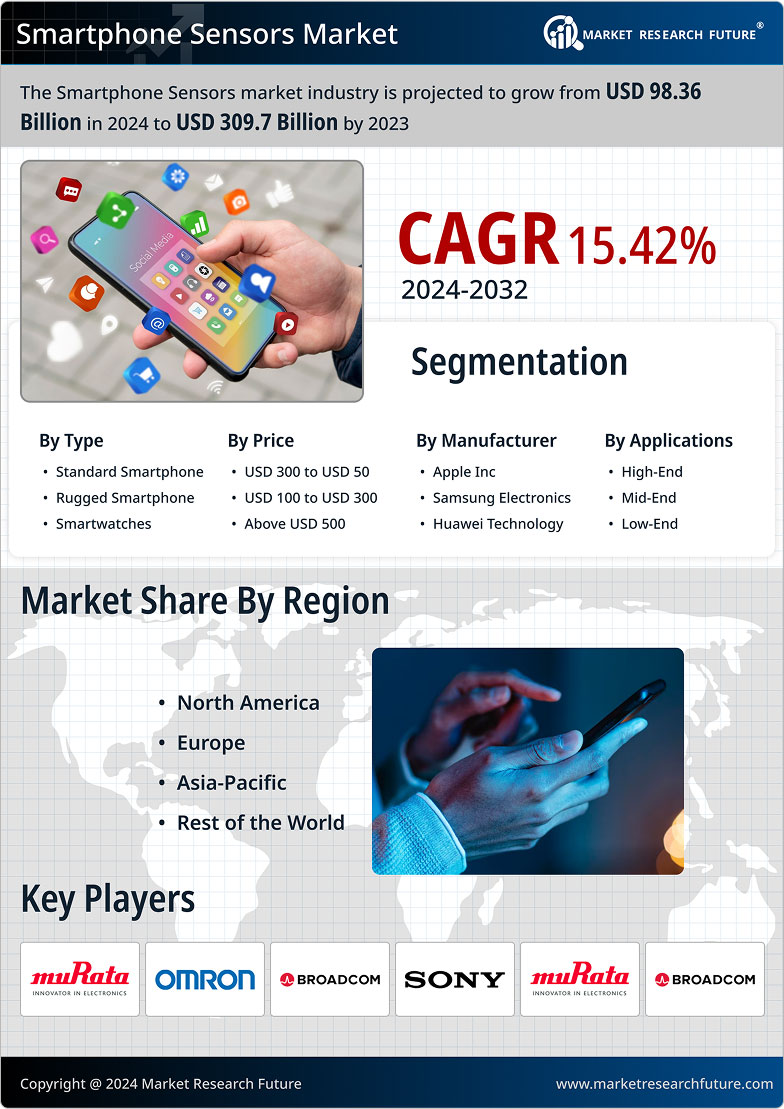
Acrylic Adhesive Market Infographic
×
Acrylic Adhesive Market Infographic Full View
Purchase Options

Market Analysis

In-depth Analysis of Acrylic Adhesive Market Industry Landscape

Thanks to advancements in technology, better versions of acrylic adhesives have been created, offering improved properties and creating a great opportunity in the market. These upgrades result in acrylic adhesives with stronger bonding, greater durability, and increased resistance to things like temperature and moisture. Industries are increasingly using these improved acrylic adhesives, boosting the overall growth of the global market.

One significant technological advance contributing to these better acrylic adhesives is the use of nanotechnology. Nanotechnology deals with materials at a very tiny scale, allowing for better control over their properties. In the case of acrylic adhesives, applying nanotechnology has led to the creation of adhesives with enhanced features. These include even stronger bonding, improved durability, and better resistance to environmental factors like temperature and moisture.

In simpler terms, technology has helped make acrylic adhesives even better, giving them super-strong sticking power, making them last longer, and ensuring they can withstand different conditions. Industries are liking these improvements and using these upgraded adhesives more, making the acrylic adhesives market grow. The use of tiny technology, called nanotechnology, has played a big role in making these adhesives even better, ensuring they have the best qualities possible.

Author
Anshula Mandaokar
Team Lead - Research

Anshula Mandaokar holds an academic degree in Chemical Engineering and has been contributing to the field for more than 5 years. She has expertise in Market Research and Business Consulting and serves as a Team Lead for a reputed Market Research firm under the Chemicals and Materials domain spectrum. She has worked on multiple projects, generating explicit results in a quick turnaround time. Her understanding of data interpretation justifies her role as a leader.

Leave a Comment

FAQs

How much is the Acrylic Adhesives Market?

USD 8,406.2 million in 2022

What is the growth rate of the Acrylic Adhesives Market?

5.25%

Which region held the largest market share in the Acrylic Adhesives Market?

Asia-Pacific

Who are the key players in the Acrylic Adhesives Market?

H.B. Fuller Company, The 3M Company, Avery Dennison Corporation, Pidilite Industries Limited, Henkel AG & Co. KGaA, Bostik , Sika AG, Eastman Chemical Company, Huntsman Corporation, Toagosei Co., Ltd. , Permabond LLC. and others.

Market Summary

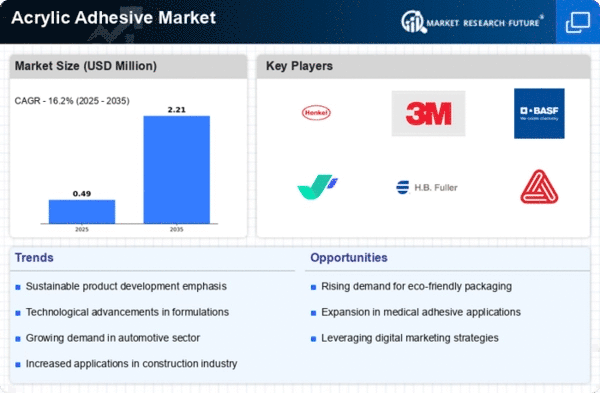
As per MRFR analysis, the Acrylic Adhesive Market Size was estimated at 424 USD Million in 2024. The Acrylic Adhesive industry is projected to grow from 492 USD Million in 2025 to 2.21 Billion by 2035, exhibiting a compound annual growth rate (CAGR) of 16.2 during the forecast period 2025 - 2035.

Key Market Trends & Highlights

The Acrylic Adhesive Market is poised for robust growth driven by sustainability and technological advancements.

  • North America remains the largest market for acrylic adhesives, driven by diverse applications across various industries.
  • The Asia-Pacific region is currently the fastest-growing market, reflecting increasing demand in emerging economies.
  • The automotive segment leads in market share, while the medical segment is experiencing rapid growth due to innovative applications.
  • Key market drivers include rising demand in the construction sector and technological innovations in adhesive formulations.

Market Size & Forecast

2024 Market Size 0.424 (USD Million)
2035 Market Size 2.21 (USD Million)
CAGR (2025 - 2035) 16.2%
Largest Regional Market Share in 2024 North America

Major Players

<p>Henkel (DE), 3M (US), BASF (DE), Sika (CH), H.B. Fuller (US), Avery Dennison (US), Dow (US), Momentive (US), Lord Corporation (US)</p>

Market Trends

The Acrylic Adhesive Market is currently experiencing a dynamic evolution, driven by various factors that influence its growth trajectory. The increasing demand for lightweight and durable materials across multiple industries, such as automotive, construction, and electronics, appears to be a primary catalyst. Furthermore, the trend towards sustainable and eco-friendly products is prompting manufacturers to innovate and develop acrylic adhesives that meet stringent environmental standards. This shift not only enhances product appeal but also aligns with global sustainability goals, potentially attracting a broader customer base. In addition, advancements in technology are playing a crucial role in shaping the Acrylic Adhesive Market. The integration of smart technologies and automation in manufacturing processes is likely to improve efficiency and reduce production costs. As companies strive to enhance their competitive edge, the focus on research and development is expected to intensify, leading to the introduction of novel adhesive formulations. Overall, the Acrylic Adhesive Market seems poised for substantial growth, with a diverse range of applications and a commitment to innovation driving its future prospects.

Sustainability Initiatives

The Acrylic Adhesive Market is witnessing a notable shift towards sustainable practices. Manufacturers are increasingly focusing on developing eco-friendly formulations that minimize environmental impact. This trend is driven by consumer demand for greener products and regulatory pressures aimed at reducing carbon footprints. As a result, companies are investing in research to create adhesives that are not only effective but also biodegradable or made from renewable resources.

Technological Advancements

Technological innovation is significantly influencing the Acrylic Adhesive Market. The adoption of advanced manufacturing techniques, such as automation and smart technologies, is enhancing production efficiency. These advancements enable manufacturers to produce high-quality adhesives with improved performance characteristics. Additionally, ongoing research is likely to lead to the development of new adhesive formulations that cater to specific industry needs.

Diverse Applications

The versatility of acrylic adhesives is contributing to their growing popularity across various sectors. From automotive to construction and electronics, the range of applications continues to expand. This trend indicates a broader acceptance of acrylic adhesives as reliable bonding solutions. As industries evolve and new applications emerge, the Acrylic Adhesive Market is expected to adapt, offering tailored solutions to meet diverse requirements.

Acrylic Adhesive Market Market Drivers

Market Growth Projections

The Global Acrylic Adhesives Market Industry is projected to experience substantial growth in the coming years. With an estimated market value of 8.93 USD Billion in 2024, the industry is expected to expand significantly, reaching 16.0 USD Billion by 2035. This growth trajectory indicates a compound annual growth rate of 5.46% from 2025 to 2035. Such projections reflect the increasing adoption of acrylic adhesives across various sectors, driven by their superior bonding properties and versatility. The anticipated growth underscores the importance of the Global Acrylic Adhesives Market Industry in meeting the evolving needs of diverse industries.

Growth in Construction Activities

The Global Acrylic Adhesives Market Industry is significantly influenced by the ongoing growth in construction activities worldwide. As urbanization accelerates, the demand for construction materials that offer durability and flexibility increases. Acrylic adhesives are increasingly utilized in various applications, including bonding glass, tiles, and other materials in both residential and commercial projects. This trend is expected to contribute to the market's expansion, with projections indicating a rise to 16.0 USD Billion by 2035. The construction sector's reliance on acrylic adhesives for their performance characteristics suggests a robust future for the Global Acrylic Adhesives Market Industry, particularly in emerging economies.

Rising Demand in Automotive Sector

The Global Acrylic Adhesives Market Industry experiences a notable surge in demand driven by the automotive sector. As manufacturers increasingly prioritize lightweight materials for fuel efficiency, acrylic adhesives are favored for their strong bonding capabilities. In 2024, the market is projected to reach 8.93 USD Billion, reflecting the automotive industry's shift towards advanced adhesive technologies. This trend is further supported by the growing emphasis on sustainability, as acrylic adhesives are often more environmentally friendly compared to traditional options. Consequently, the automotive sector's expansion is likely to propel the Global Acrylic Adhesives Market Industry forward, with significant growth anticipated in the coming years.

Diverse Applications Across Industries

The Global Acrylic Adhesives Market Industry benefits from diverse applications across various sectors, including automotive, construction, electronics, and healthcare. This versatility allows acrylic adhesives to cater to a wide range of bonding needs, from structural applications to delicate electronic components. As industries continue to evolve, the demand for specialized adhesive solutions is likely to increase. The market's adaptability to different applications suggests a robust growth trajectory, with projections indicating a rise to 16.0 USD Billion by 2035. This diversity in applications not only enhances the Global Acrylic Adhesives Market Industry's resilience but also positions it as a key player in the adhesive market.

Increasing Demand for Eco-Friendly Products

The Global Acrylic Adhesives Market Industry is witnessing a shift towards eco-friendly products, driven by consumer awareness and regulatory pressures. As industries strive to reduce their environmental footprint, acrylic adhesives that are low in volatile organic compounds (VOCs) are gaining traction. This trend is particularly evident in sectors such as packaging and construction, where sustainable practices are becoming the norm. The growing preference for environmentally responsible products is likely to enhance the market's appeal, as manufacturers adapt to meet these evolving consumer demands. The focus on sustainability may further bolster the Global Acrylic Adhesives Market Industry, positioning it favorably for future growth.

Technological Advancements in Adhesive Formulations

Technological advancements in adhesive formulations are reshaping the Global Acrylic Adhesives Market Industry. Innovations in polymer chemistry have led to the development of high-performance acrylic adhesives that offer enhanced properties such as improved temperature resistance and faster curing times. These advancements cater to diverse industries, including electronics and packaging, where precision and reliability are paramount. As manufacturers continue to invest in research and development, the market is poised for sustained growth. The anticipated compound annual growth rate of 5.46% from 2025 to 2035 indicates that these technological improvements will likely drive the Global Acrylic Adhesives Market Industry to new heights.


Market Segment Insights

By Application: Automotive (Largest) vs. Medical (Fastest-Growing)

<p>The Acrylic Adhesive Market is primarily driven by applications in automotive, construction, electronics, medical, and packaging. Among these, the automotive sector holds the largest market share due to its extensive utilization in vehicle assembly, bonding, and component attachment, fulfilling stringent safety and performance standards. The construction and electronics segments also command significant shares, supporting rapid developments in infrastructure and technology. Meanwhile, applications in medical and packaging are growing notably, indicating shifts in consumer demands and technological advancements within these realms.</p>

<p>Automotive: Traditional Segment (Dominant) vs. Medical: Innovative Sector (Emerging)</p>

<p>The automotive segment is a dominant player in the Acrylic Adhesive Market, characterized by its critical role in ensuring durability, safety, and efficiency in vehicle manufacturing. This segment benefits from established relationships with major automotive manufacturers and a consistent demand for innovative bonding solutions addressing lightweight and energy-efficient vehicle designs. On the other hand, the medical application segment is emerging quickly, driven by advancements in healthcare technologies. Medical adhesives are increasingly used in surgical procedures, wound care, and device manufacturing, necessitating high-performance, biocompatible, and sterilizable adhesives, hence positioning this segment as a future leader in market growth.</p>

By End Use: Building and Construction (Largest) vs. Automotive Industry (Fastest-Growing)

<p>In the Acrylic Adhesive Market, the end-use segment shows a diverse distribution of market share across various industries. The Building and Construction sector leads the market, driven by the increasing need for durable and efficient bonding solutions in construction applications. Following closely is the Automotive Industry, which is witnessing robust demand due to advancements in vehicle design and the adoption of lightweight materials that require high-performance adhesives. Growth trends within the Acrylic Adhesive Market indicate a significant surge in adoption across multiple sectors. The Automotive Industry is currently the fastest-growing segment, propelled by the push for electric vehicles and the need for innovative bonding solutions. As manufacturers seek to reduce weight and enhance fuel efficiency, the demand for specialized acrylic adhesives that provide high strength and flexibility is set to rise, positioning this segment for continued expansion.</p>

<p>Building and Construction (Dominant) vs. Automotive Industry (Emerging)</p>

<p>The Building and Construction segment remains dominant in the Acrylic Adhesive Market due to its established applications in bonding construction materials like wood, glass, and concrete. This segment benefits from a strong demand for high-performance adhesive solutions that enhance the durability and longevity of structures. In contrast, the Automotive Industry is an emerging segment that is rapidly gaining traction, primarily influenced by the shift toward lightweight vehicles and electric mobility. The need for advanced bonding technologies that can handle varied materials and withstand demanding conditions is driving growth. Both segments are characterized by their unique requirements, with Building and Construction focused on stability and strength, while Automotive prioritizes innovation and lightweight solutions.</p>

By Type: Water-Based (Largest) vs. UV-Curable (Fastest-Growing)

<p>In the Acrylic Adhesive Market, the segment distribution is diverse, with Water-Based adhesives holding a significant share due to their eco-friendly qualities and applicability across various industries. The Solvent-Based adhesives follow as prominent competitors, appreciated for their strong bonding capabilities in demanding applications. Hot Melt adhesives also occupy a noticeable market portion, particularly in packaging. Meanwhile, UV-Curable adhesives are vying for recognition, driven by rapid curing times and efficiency.</p>

<p>Water-Based (Dominant) vs. UV-Curable (Emerging)</p>

<p>Water-Based adhesives are known for their low volatile organic compound (VOC) emissions and versatility, making them favored in the construction and automotive industries. They offer excellent bonding strength and adaptability to various substrates, including plastics and metals. In contrast, UV-Curable adhesives are emerging as a preferred choice for sectors requiring quick processing times and high-performance bonds. Their unique ability to cure upon exposure to UV light allows for faster production cycles without compromising quality, drawing attention from manufacturers aiming for efficiency in production processes.</p>

By Formulation: Single Component (Largest) vs. Two Component (Fastest-Growing)

<p>The Acrylic Adhesive Market showcases a diverse formulation spectrum, with Single Component adhesives holding the largest market share. This segment is favored for its ease of use and applicability across various industries, making it a go-to choice for many manufacturers. On the other hand, Two Component formulations, while presently smaller in share, are rapidly gaining traction due to their superior bonding capabilities and versatility. Their increasing adoption in specialized applications caters to the rising demand for high-performance adhesives.</p>

<p>Single Component: Dominant vs. Two Component: Emerging</p>

<p>The Single Component segment is characterized by its user-friendly nature, often requiring no additional mixing or preparation before application. This ease makes it particularly popular in construction, automotive, and general manufacturing sectors, where quick application times are essential. In contrast, the Two Component segment, which consists of a resin and a hardener, is emerging due to its robust bonding properties and suitability for materials that require a stronger adhesive performance. This segment is experiencing growth driven by advancements in adhesive technology, which enhance product performance in demanding applications. As industries demand higher durability and customization, Two Component adhesives are set to capitalize on these trends.</p>

By Curing Mechanism: UV Curing (Largest) vs. Thermal Curing (Fastest-Growing)

<p>The Acrylic Adhesive Market showcases diverse curing mechanisms, notably featuring UV curing as the dominant player due to its efficiency and rapid curing capabilities. This segment commands the largest market share, attracting both manufacturers and consumers for its advanced applications in various industries. Meanwhile, thermal curing is also significant but is currently marked by growing interest and adoption, especially in sectors demanding extensive curing processes and robust adhesion characteristics. As the market evolves, growth trends indicate an upward trajectory for thermal curing, driven by technological advancements and increased investment in industrial applications. The rising demand for eco-friendly and efficient adhesive solutions propels innovations in both UV and thermal curing technologies, aligning with sustainability goals and performance requirements. Furthermore, consumer preferences for high-performance and adaptable adhesive options continue to shape these segments, fostering competitive advancements.</p>

<p>UV Curing (Dominant) vs. Thermal Curing (Emerging)</p>

<p>UV curing technology has established itself as a dominant force within the Acrylic Adhesive Market, characterized by its rapid curing times and versatility across a variety of substrates. It is particularly beneficial in manufacturing processes where efficiency and precision are paramount, offering excellent bonding strength and reduced energy consumption. Conversely, thermal curing mechanisms are emerging in significance, especially as industries seek adhesives capable of withstanding higher temperatures and delivering tailored adhesion profiles. This mechanism is gaining traction in applications where curing flexibility is critical, thus positioning thermal curing as a valuable alternative in markets focused on performance-driven solutions. As these two segments continue to develop, they represent a crucial focal point for innovations aimed at enhancing adhesive properties.</p>

Get more detailed insights about Acrylic Adhesives Market Research Report - Global Forecast Till 2035

Regional Insights

North America : Market Leader in Adhesives

North America is poised to maintain its leadership in the acrylic adhesive market, holding a significant market share of 20% in 2024. The region's growth is driven by robust demand from the automotive, construction, and packaging sectors, alongside stringent regulations promoting eco-friendly products. The increasing trend towards lightweight materials and sustainable solutions further fuels market expansion. The United States is the primary contributor to this growth, with key players like 3M, H.B. Fuller, and Dow leading the competitive landscape. The presence of advanced manufacturing facilities and a strong focus on R&D enhance the region's market position. As companies innovate to meet regulatory standards, North America is expected to continue its dominance in the acrylic adhesive sector.

Europe : Innovation and Sustainability Focus

Europe's acrylic adhesive market is characterized by a strong emphasis on sustainability and innovation, capturing a market share of 10% in 2024. The region's growth is propelled by increasing regulations aimed at reducing environmental impact, alongside rising demand in automotive and construction applications. The European Union's Green Deal is a significant regulatory catalyst, promoting the use of eco-friendly materials. Germany and France are leading countries in this market, with major players like Henkel and BASF driving innovation. The competitive landscape is marked by a focus on developing high-performance adhesives that meet stringent environmental standards. As the market evolves, Europe is set to enhance its position through sustainable practices and technological advancements.

Asia-Pacific : Emerging Market Potential

The Asia-Pacific region is witnessing rapid growth in the acrylic adhesive market, with a market share of 9% in 2024. This growth is driven by increasing industrialization, urbanization, and rising demand from sectors such as automotive and electronics. The region's expanding middle class is also contributing to higher consumption rates, while government initiatives to boost manufacturing further support market expansion. China and India are the leading countries in this market, with significant investments from key players like Momentive and Sika. The competitive landscape is evolving, with local manufacturers emerging alongside established global brands. As the region continues to develop, the demand for innovative adhesive solutions is expected to rise, positioning Asia-Pacific as a key player in the global market.

Middle East and Africa : Untapped Market Opportunities

The Middle East and Africa (MEA) region is gradually emerging in the acrylic adhesive market, holding a market share of 3% in 2024. The growth is driven by increasing construction activities and a rising demand for packaging solutions. Regulatory frameworks are evolving to support the use of advanced adhesive technologies, which is expected to further stimulate market growth. The region's diverse economic landscape presents unique opportunities for market expansion. Countries like South Africa and the UAE are leading the way, with a growing presence of international players. The competitive landscape is characterized by a mix of local and global companies, with investments in infrastructure and manufacturing capabilities. As the MEA region continues to develop, the acrylic adhesive market is poised for significant growth.

Key Players and Competitive Insights

The Acrylic Adhesive Market is currently characterized by a dynamic competitive landscape, driven by innovation, sustainability, and strategic partnerships. Key players such as Henkel (DE), 3M (US), and BASF (DE) are at the forefront, each adopting distinct strategies to enhance their market positioning. Henkel (DE) emphasizes innovation in product development, focusing on eco-friendly formulations that align with global sustainability trends. Meanwhile, 3M (US) leverages its extensive research capabilities to introduce advanced adhesive solutions, thereby maintaining a competitive edge. BASF (DE) is actively pursuing strategic partnerships to expand its product offerings and enhance its supply chain efficiency, which collectively shapes a competitive environment that is increasingly focused on technological advancement and sustainability.

In terms of business tactics, companies are localizing manufacturing to reduce lead times and optimize supply chains, which is particularly crucial in a moderately fragmented market. This competitive structure allows for a diverse range of products and solutions, with key players influencing market dynamics through their operational strategies. The collective influence of these companies fosters a competitive atmosphere where innovation and responsiveness to market demands are paramount.

In November 2025, Henkel (DE) announced the launch of a new line of bio-based acrylic adhesives, which underscores its commitment to sustainability and innovation. This strategic move not only enhances Henkel's product portfolio but also positions the company as a leader in eco-friendly adhesive solutions, appealing to environmentally conscious consumers and industries. The introduction of these products is likely to strengthen Henkel's market share and reinforce its reputation as a pioneer in sustainable practices.

In October 2025, 3M (US) unveiled a new digital platform aimed at streamlining customer interactions and enhancing the purchasing experience for its adhesive products. This initiative reflects 3M's focus on digital transformation, which is increasingly vital in today's market. By integrating advanced technologies into its operations, 3M is poised to improve customer engagement and operational efficiency, potentially leading to increased sales and customer loyalty.

In September 2025, BASF (DE) entered into a strategic partnership with a leading automotive manufacturer to develop specialized acrylic adhesives for electric vehicles. This collaboration highlights BASF's proactive approach to addressing the growing demand for lightweight and high-performance materials in the automotive sector. By aligning its product development with industry trends, BASF is likely to enhance its competitive positioning and drive growth in a rapidly evolving market.

As of December 2025, the Acrylic Adhesive Market is witnessing trends such as digitalization, sustainability, and the integration of AI technologies. These trends are reshaping the competitive landscape, with strategic alliances becoming increasingly important for innovation and market penetration. The shift from price-based competition to a focus on technological advancement and supply chain reliability is evident, suggesting that companies will need to differentiate themselves through unique value propositions and sustainable practices to thrive in this evolving market.

Key Companies in the Acrylic Adhesive Market include

Industry Developments

June 2022: H.B. Fuller Company launched several Innovative Adhesives that address growing trends in sustainable consumer goods and e-commerce packaging at PRINTPACK INDIA® 2022.

March 2022: 3M announces the debut of 3M™ VHB™ Extrudable Tape, a new manufacturing bonding solution that brings elevated levels of automation, simplicity, and sustainability across industries. This end-to-end bonding solution combines all the benefits of 3M™ VHB™ Tapes with the versatility of a liquid adhesive in a single contained footprint enabling usage on any scale..

August 2023: Bostik, the adhesive solutions division of Arkema, announces an increase in its sustainable offering with the launch of the industry’s first all-temperature, wash-off label adhesive. The Association of Plastic Recyclers (APR) formally recognizes Flexcryl™ ClearCycle 1000 adhesive with all-temperature, wash-off technology as meeting or exceeding the strictest Critical Guidance Criteria for its compatibility with PET bottle label recycling and its benefit to recycling streams.

Future Outlook

Acrylic Adhesive Market Future Outlook

<p>The Acrylic Adhesive Market is projected to grow at a 16.2% CAGR from 2024 to 2035, driven by increasing demand in automotive, construction, and electronics sectors.</p>

New opportunities lie in:

  • <p>Development of eco-friendly acrylic adhesive formulations</p>
  • <p>Expansion into emerging markets with tailored products</p>
  • <p>Integration of smart adhesive technologies for enhanced performance</p>

<p>By 2035, the market is expected to achieve substantial growth, solidifying its position as a leader in adhesive solutions.</p>

Market Segmentation

Acrylic Adhesive Market Type Outlook

  • Water-Based
  • Solvent-Based
  • Hot Melt
  • UV-Curable
  • Reactive

Acrylic Adhesive Market End Use Outlook

  • Building and Construction
  • Automotive Industry
  • Consumer Goods
  • Aerospace
  • Healthcare

Acrylic Adhesive Market Application Outlook

  • Automotive
  • Construction
  • Electronics
  • Medical
  • Packaging

Acrylic Adhesive Market Formulation Outlook

  • Single Component
  • Two Component
  • Multi Component
  • Pre-Mixed
  • Custom Formulations

Acrylic Adhesive Market Curing Mechanism Outlook

  • Thermal Curing
  • UV Curing
  • Moisture Curing
  • Chemical Curing
  • Pressure Curing

Report Scope

MARKET SIZE 20240.424(USD Million)
MARKET SIZE 20250.492(USD Million)
MARKET SIZE 20352.21(USD Million)
COMPOUND ANNUAL GROWTH RATE (CAGR)16.2% (2024 - 2035)
REPORT COVERAGERevenue Forecast, Competitive Landscape, Growth Factors, and Trends
BASE YEAR2024
Market Forecast Period2025 - 2035
Historical Data2019 - 2024
Market Forecast UnitsUSD Million
Key Companies ProfiledHenkel (DE), 3M (US), BASF (DE), Sika (CH), H.B. Fuller (US), Avery Dennison (US), Dow (US), Momentive (US), Lord Corporation (US)
Segments CoveredApplication, End Use, Type, Formulation, Curing Mechanism
Key Market OpportunitiesGrowing demand for eco-friendly formulations in the Acrylic Adhesive Market presents significant growth opportunities.
Key Market DynamicsRising demand for eco-friendly formulations drives innovation and competition in the acrylic adhesive market.
Countries CoveredNorth America, Europe, APAC, South America, MEA

FAQs

How much is the Acrylic Adhesives Market?

USD 8,406.2 million in 2022

What is the growth rate of the Acrylic Adhesives Market?

5.25%

Which region held the largest market share in the Acrylic Adhesives Market?

Asia-Pacific

Who are the key players in the Acrylic Adhesives Market?

H.B. Fuller Company, The 3M Company, Avery Dennison Corporation, Pidilite Industries Limited, Henkel AG &amp; Co. KGaA, Bostik , Sika AG, Eastman Chemical Company, Huntsman Corporation, Toagosei Co., Ltd. , Permabond LLC. and others.

  1. SECTION I: EXECUTIVE SUMMARY AND KEY HIGHLIGHTS
    1. | 1.1 EXECUTIVE SUMMARY
  2. SECTION II: SCOPING, METHODOLOGY AND MARKET STRUCTURE
    1. | 2.1 MARKET INTRODUCTION
    2. | 2.2 RESEARCH METHODOLOGY
  3. SECTION III: QUALITATIVE ANALYSIS
    1. | 3.1 MARKET DYNAMICS
    2. | 3.2 MARKET FACTOR ANALYSIS
  4. SECTION IV: QUANTITATIVE ANALYSIS
    1. | 4.1 Chemicals and Materials, BY Application (USD Million)
    2. | 4.2 Chemicals and Materials, BY End Use (USD Million)
    3. | 4.3 Chemicals and Materials, BY Type (USD Million)
    4. | 4.4 Chemicals and Materials, BY Formulation (USD Million)
    5. | 4.5 Chemicals and Materials, BY Curing Mechanism (USD Million)
    6. | 4.6 Chemicals and Materials, BY Region (USD Million)
  5. SECTION V: COMPETITIVE ANALYSIS
    1. | 5.1 Competitive Landscape
    2. | 5.2 Company Profiles
    3. | 5.3 Appendix

Acrylic Adhesives Market Segmentation

Market Segmentation Overview

  • Detailed segmentation data will be available in the full report
  • Comprehensive analysis by multiple parameters
  • Regional and country-level breakdowns
  • Market size forecasts by segment
Infographic

Free Sample Request

Kindly complete the form below to receive a free sample of this Report

Get Free Sample

Customer Strories

Compare Licence

×
Features License Type
Single User Multiuser License Enterprise User
Price $4,950 $5,950 $7,250
Maximum User Access Limit 1 User Upto 10 Users Unrestricted Access Throughout the Organization
Free Customization
Direct Access to Analyst
Deliverable Format
Platform Access
Discount on Next Purchase 10% 15% 15%
Printable Versions